

Road cycling in the rain: How to stay warm and protected

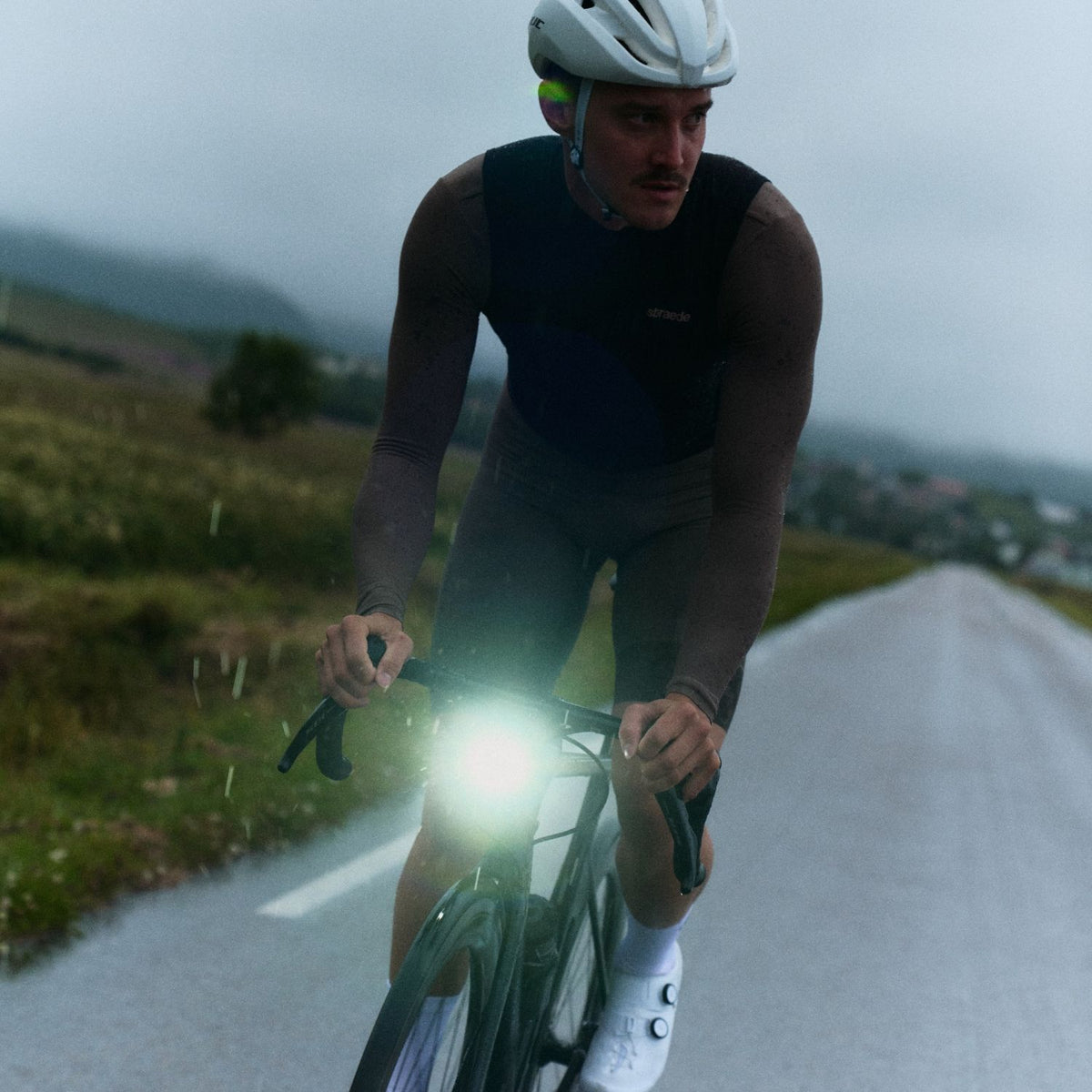
If you ride your road bike in the rain, you will rarely stay completely dry. What matters is that you stay warm even when it's wet and keep control at the handlebars.

In this guide, you will learn how to put together your rain clothing, when a wind jacket is enough and which parts of your body cool down fastest.

Key takeaways

  • Baselayer as the first layer: Merino wool keeps you warm even when damp, which makes it especially useful in the rain.
  • Rain jacket: It should keep water out and let moisture escape from the inside at the same time.
  • Wind jacket: For short showers, a wind jacket is often enough. For longer rain, however, a rain jacket is the better choice.
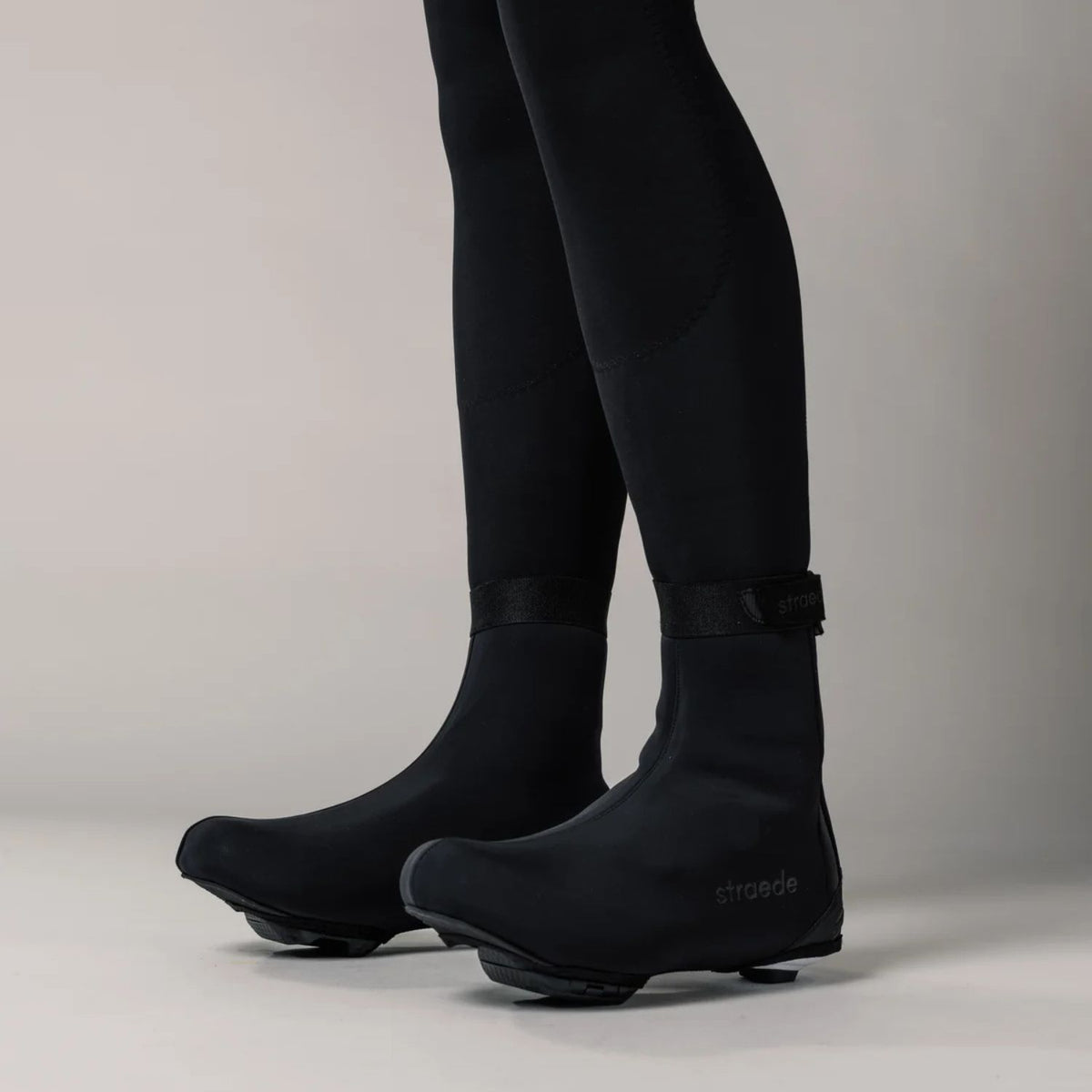
  • Protect your feet: Once cycling shoes are soaked, they barely dry while you ride. That is why it is best to put on overshoes before your ride.
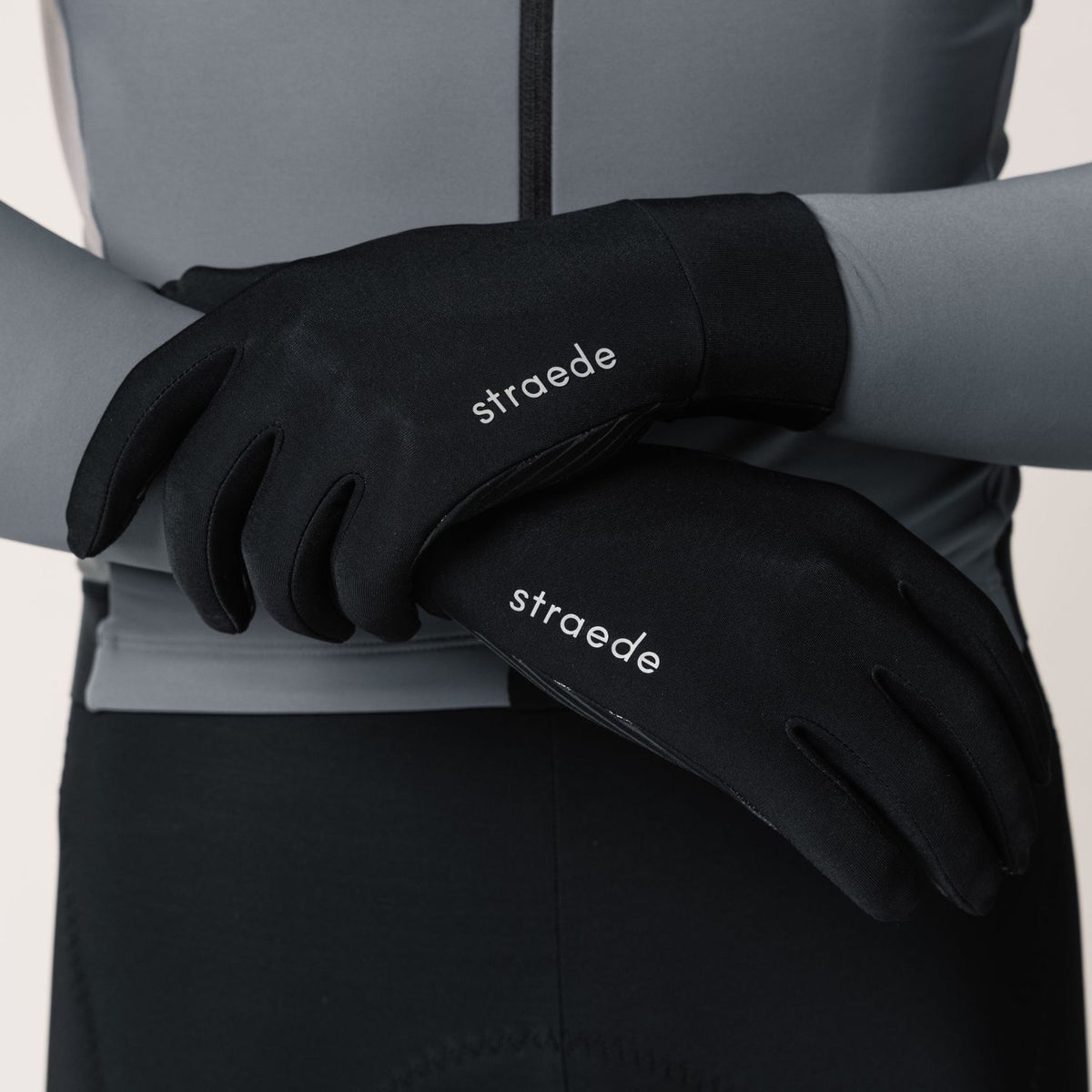
  • Keep your hands warm: Cold fingers impair your feel for the brake and shift levers.

Why rain cools you down more

Wet clothing conducts body heat away faster than dry clothing. Combined with the wind from riding, this can make you cool down even at mild temperatures. A temperature that feels comfortable in dry weather can feel noticeably colder after an hour in the rain.

That is why the right rain clothing for road cycling starts with the layer directly on your skin. The outer layers determine how much water can get in. The baselayer influences how warm you feel when moisture reaches your skin.
The right clothing for road cycling in the rain

In the rain, it is the combination of several garments that counts. Besides baselayer and jacket, protecting your hands and feet is especially important. Many of these pieces can be packed compactly in your jersey pocket when needed.

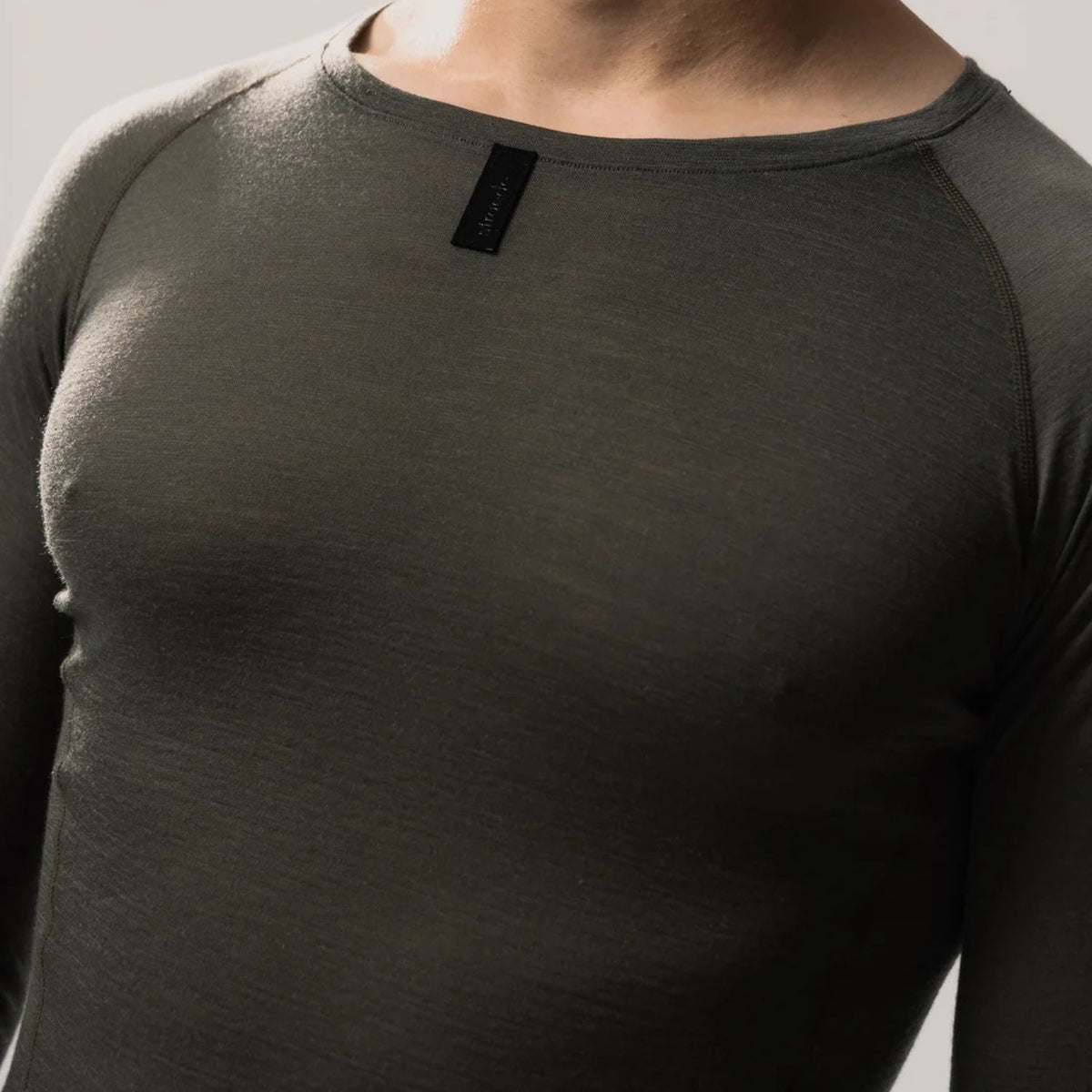
Merino Baselayer: warmth even when damp

Baselayers wick sweat away from your skin and help retain warmth. Merino Baselayers have a special property: merino wool can absorb moisture without immediately feeling cold. Compared to synthetic fibers, the feeling of warmth lasts longer even when the material is damp.

This is an advantage especially on longer rides in the rain, when your clothing gets increasingly wet.

The Merino Baselayer is available for Men and women.

Rain jacket: water protection and breathability

A good rain jacket has to keep water out and transport moisture from the inside to the outside at the same time. If it is not breathable enough, sweat can build up under the jacket. Your clothing then gets wet from the inside even though no rain gets in.

The Rain Jacket is made from windproof and waterproof material with a 3-layer membrane. Heat-sealed seams prevent water from getting in, while the high collar protects your neck from wind and spray. Two closable ventilation zippers on the front provide better temperature regulation when needed. The double-sided YKK zipper is waterproof. Reflective details also improve visibility in poor light.

The Rain Jacket is available for both Men and women.

When a wind jacket is enough

For a short rain shower at mild temperatures, you do not necessarily need a rain jacket. A wind jacket protects against the cooling wind from riding, dries quickly and stores less heat.

For longer-lasting rain, the Rain Jacket is the more sensible choice. This applies especially to longer rides where your clothing stays wet for an extended period.

You can find both options in the cycling jackets and vests for men and for women.

Overshoes: protection from wet and cold feet

Road bike shoes are designed for good ventilation. In the rain, however, water can get in through the openings. Once the shoes are soaked, they barely dry while you ride. Your feet cool down quickly as a result.

Neoprene overshoes enclose the shoe and protect against wet and cold. If mainly your toes need to stay warm, Toe Cover are a more compact alternative.

Underneath, the Merino Pro Sokks help with moisture regulation.

Gloves: control over brakes and shifting

Wet hands cool down quickly in the wind from riding. When your fingers get cold, your feel for the brake and shift levers fades too. The right gloves therefore contribute not only to comfort but also to safe handling of your road bike.

For mild temperatures and windy conditions, the Light Gloves are a good fit: They reliably protect against the wind from riding and feel comfortable to wear. In cooler rain, the lined Gloves offer additional warmth and water protection. For especially cold and wet days, the Deep Winter Gloves with additional Primaloft insulation are the warmest option.

Three typical situations when road cycling in the rain

Which clothing makes sense depends mainly on how long it rains and on the conditions during your ride.

  • A short rain shower during your ride: You start in dry weather and get caught in a short shower along the way. At mild temperatures, a wind jacket is often enough to limit cooling from the wind. As soon as it clears up, the wind jacket can dry again while you keep riding.
  • Longer-lasting rain: If continuous rain is expected before your ride, a combination of Merino Baselayer, jersey, rain jacket, overshoes and gloves is recommended. It is best to put on your overshoes before the start. If your cycling shoes are already soaked, your feet stay damp and cold even with overshoes.
  • Wet roads in dry weather: Even when it is no longer raining, wet roads can leave your clothing damp. Especially without fenders, spray from the front wheel reaches your legs. Leg warmers keep your legs warm in these conditions. As soon as the road dries and temperatures rise, they are easy to take off.

Visibility and safety on wet roads

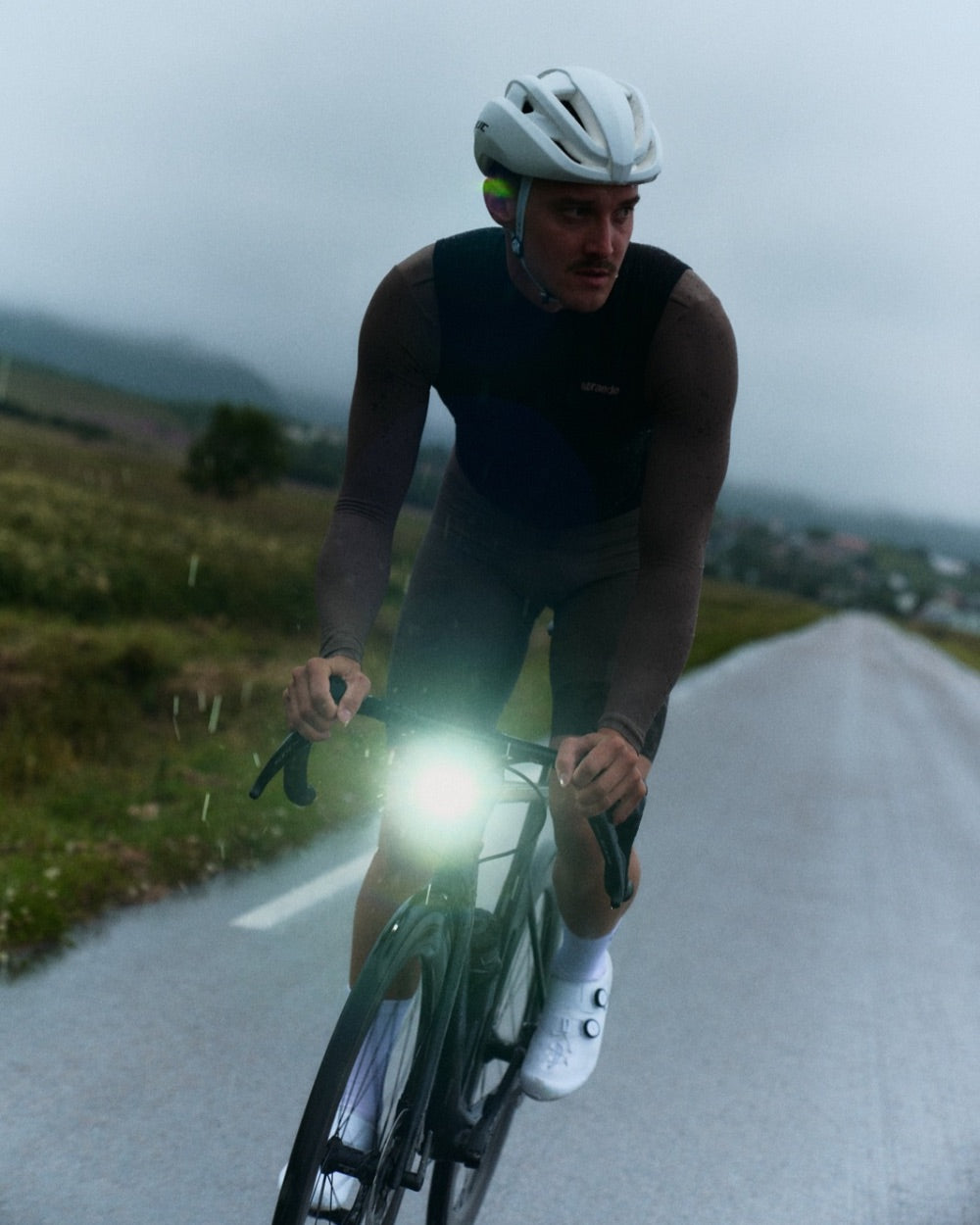
Rain and spray impair your visibility when cycling. Moisture on your glasses makes it harder to see the road. At the same time, drivers can see cyclists less well in the rain.

Reflective details on jackets and jerseys improve visibility in poor light. You can find matching garments in the collections for fall and winter cycling clothing for men and women.

Caring for cycling clothing after a rainy ride

After a wet ride, you should wash dirty and damp cycling clothing promptly. Use cold water and skip the fabric softener. We generally recommend washing only when it is really necessary, to preserve the function of the material in the long term.

You can find out how to clean and care for your cycling clothing properly in the care guide.

Your setup for wet days

For most rainy rides, your clothing can be reduced to five components: Merino Baselayer, jersey, rain jacket or wind jacket, overshoes and gloves.

Which combination makes sense depends on temperature, how long it rains and your personal sense of warmth.

If you want to coordinate your cycling clothing, you will find matching combinations in our bundles.

Conclusion

When road cycling in the rain, what matters most is avoiding cooling down and keeping control of your bike. A Merino Baselayer helps retain warmth when it is damp. A breathable rain jacket on top protects against water getting in.

With overshoes and gloves, you add protection in the places that get wet and cold fastest in the rain.

Frequently asked questions about road cycling in the rain

How much rain clothing you need depends on the temperatures, the length of your ride and your riding intensity. Here we answer the most common questions we receive on this topic.

Merino Baselayer, jersey, a Rain Jacket or wind jacket, overshoes and gloves. You do not need more rain clothing for road cycling; these five pieces cover almost everything from a short shower to constant rain.

In a short shower and at mild temperatures, a wind jacket can be enough. It protects against the wind from riding and dries quickly. In longer-lasting rain, a rain jacket offers better protection from wet.

Close-fitting bib shorts absorb less water than loose-fitting ones and therefore stay lighter. The chamois does not stay completely dry in longer rain, so take off your shorts promptly after the ride.

On a descent, you hardly produce any heat, while the wind from riding and wet clothing cool you down further. So put on your jacket in time and zip it up at the top before you start, not on the way. A Merino Baselayer underneath makes the biggest difference.

A Merino Baselayer and a cycling jersey make a sensible combination under the rain jacket. The baselayer helps retain warmth when damp, while the jacket protects against rain. Additional layers are not always necessary, as heat already builds up under the jacket.

Overshoes keep out a large part of the spray and rain. In longer-lasting rain, your feet can still get damp. The overshoes then continue to provide additional warmth. It is best to put them on over dry cycling shoes before your ride.

The Rain Jacket has a relaxed fit. You can find the exact measurements in the size chart on the respective product page. If you are between two sizes or regularly wear a baselayer and jersey under the jacket, our team will help you choose your size at support@straede.cc.