



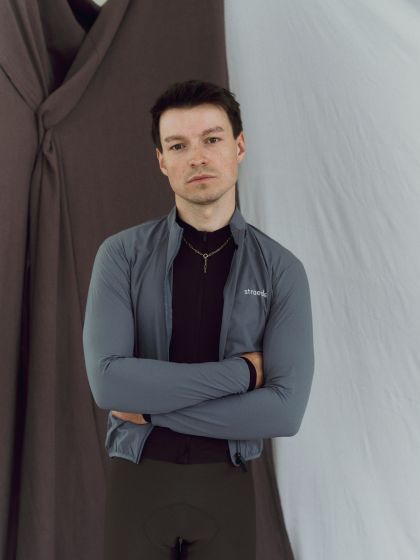

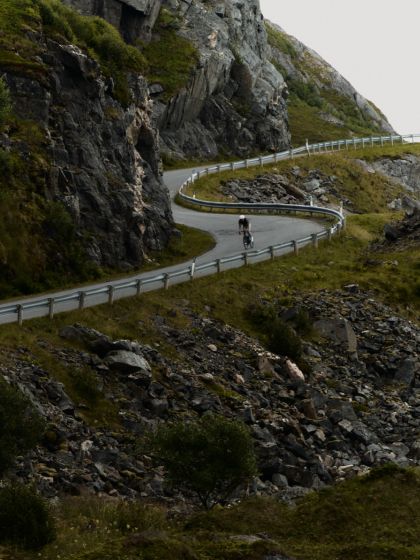
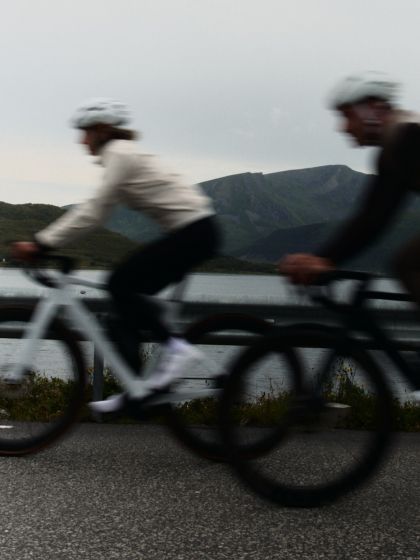
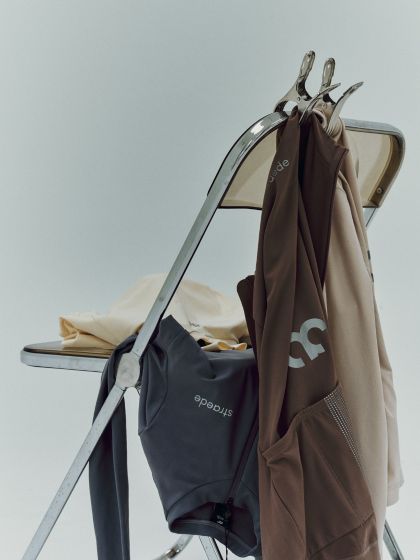
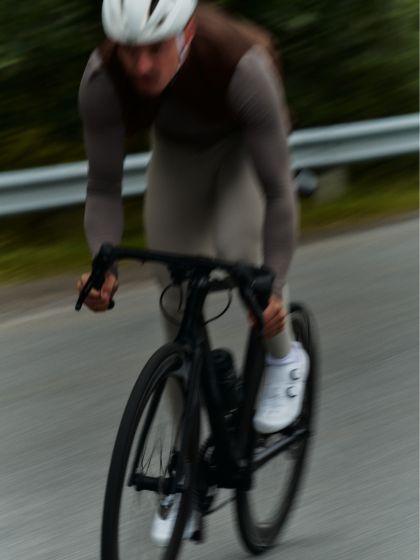
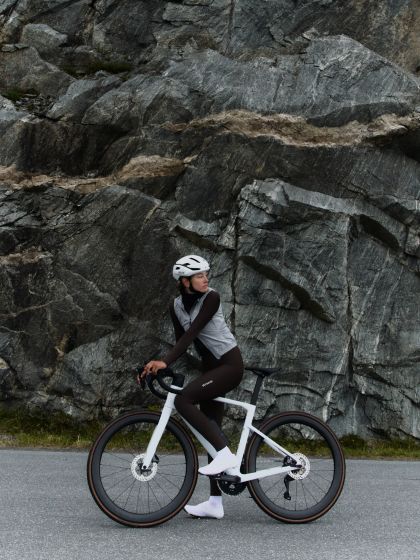
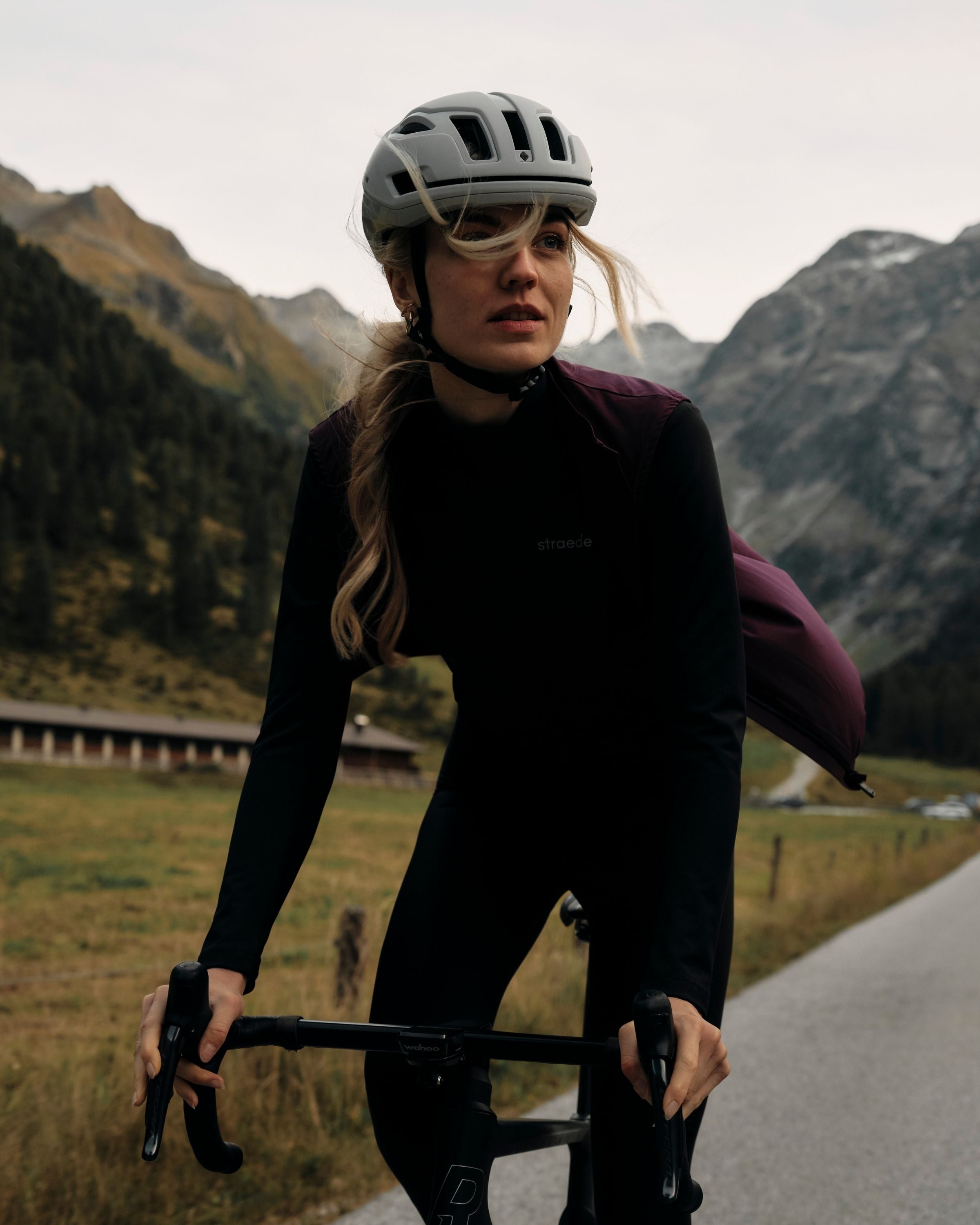
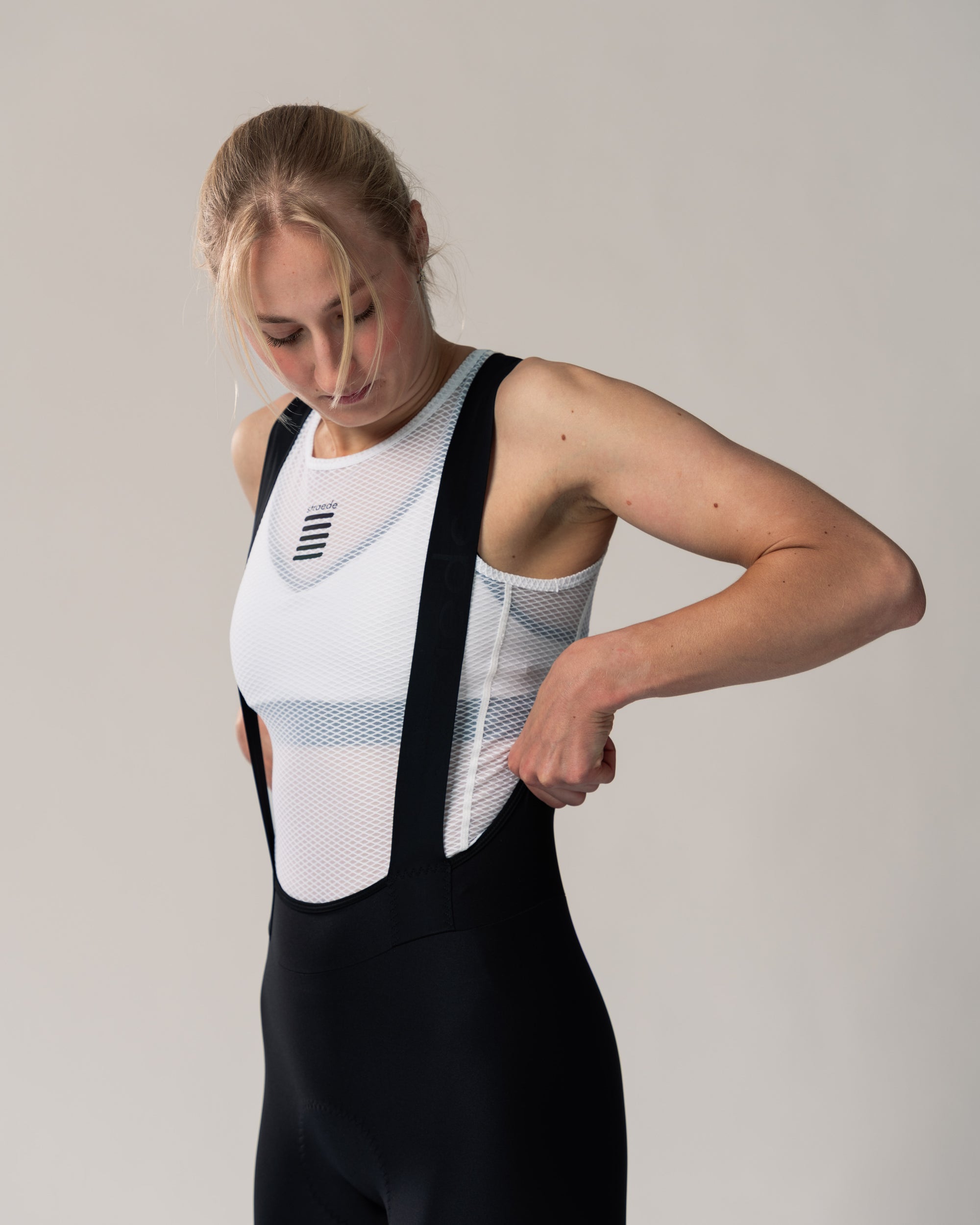
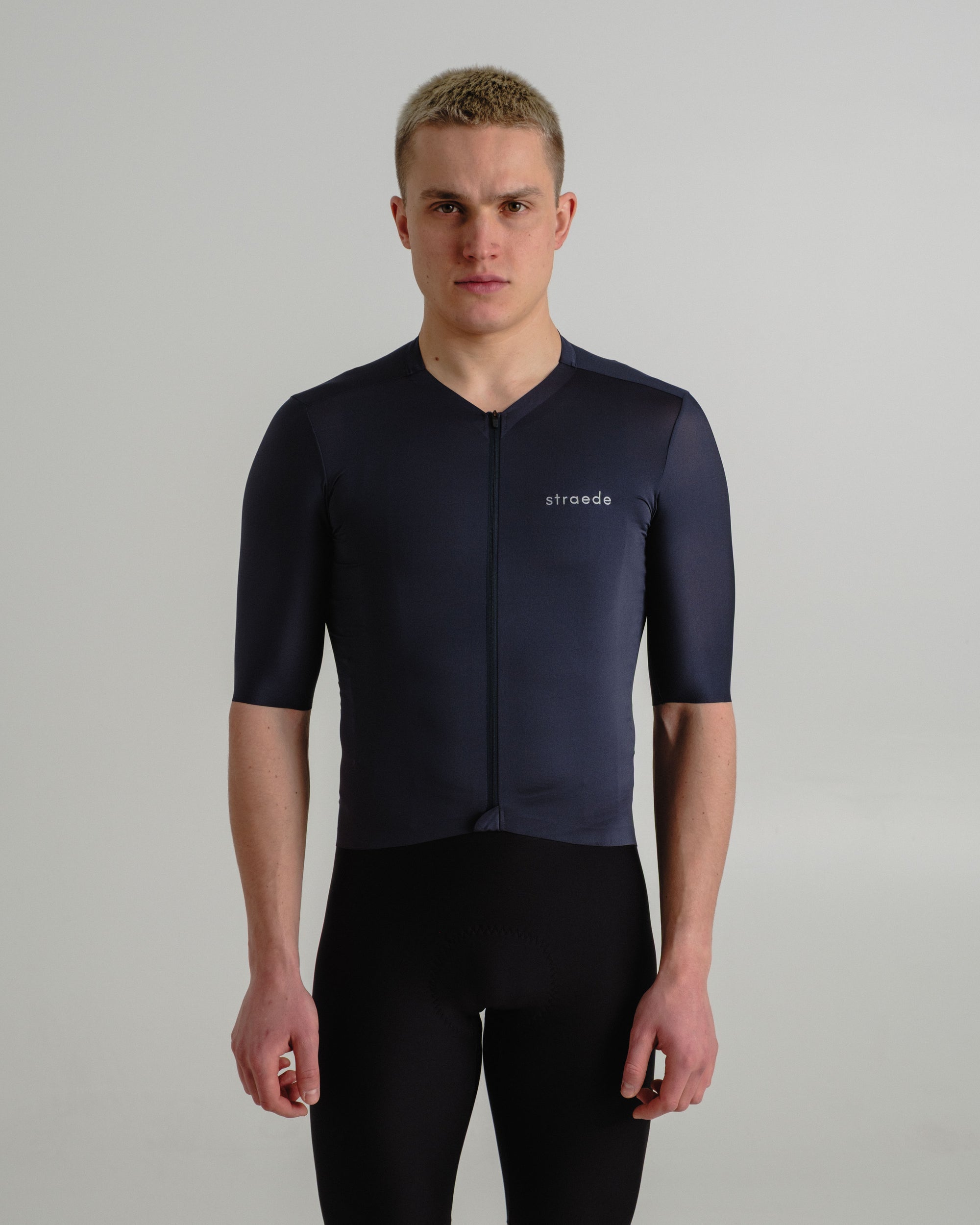
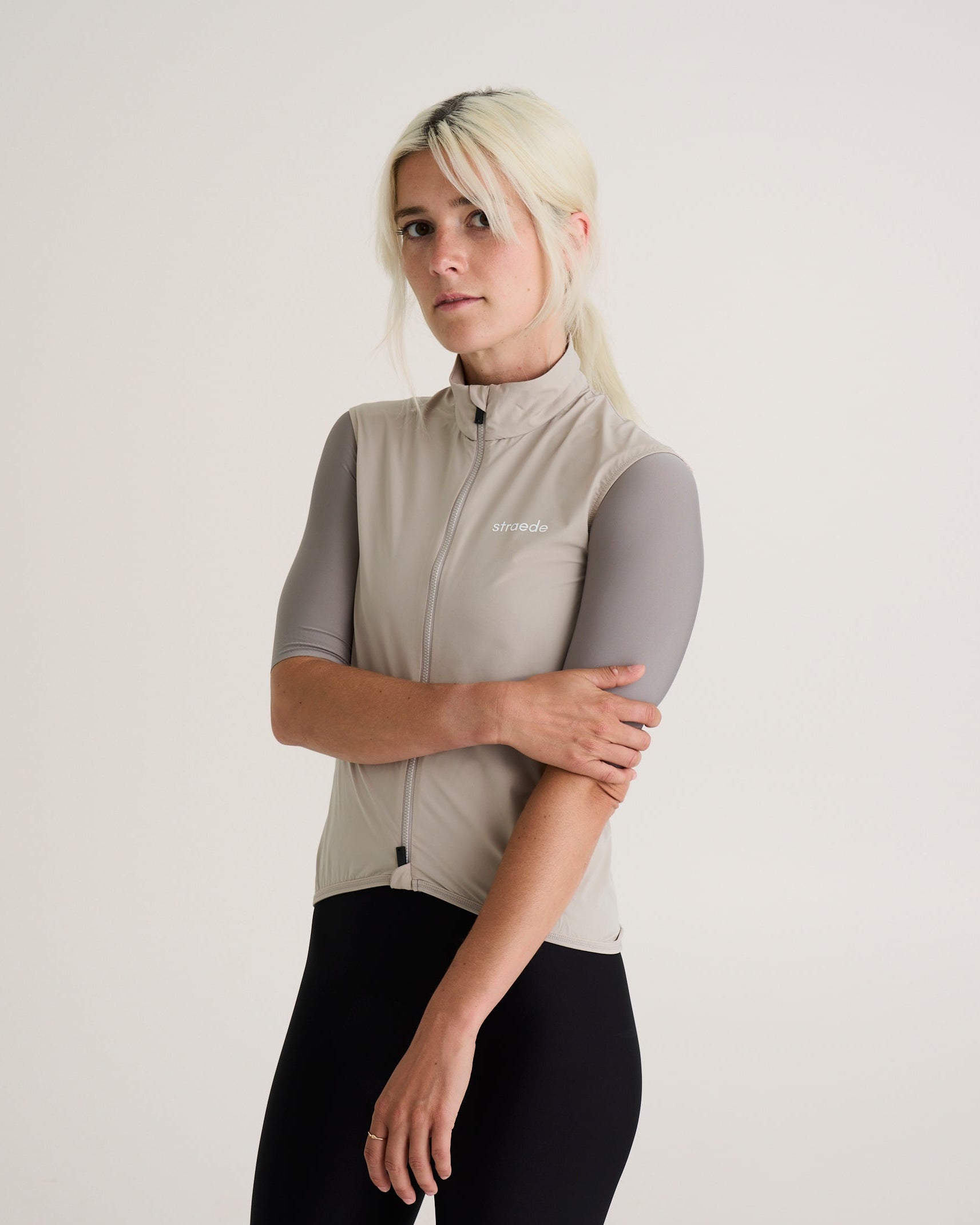
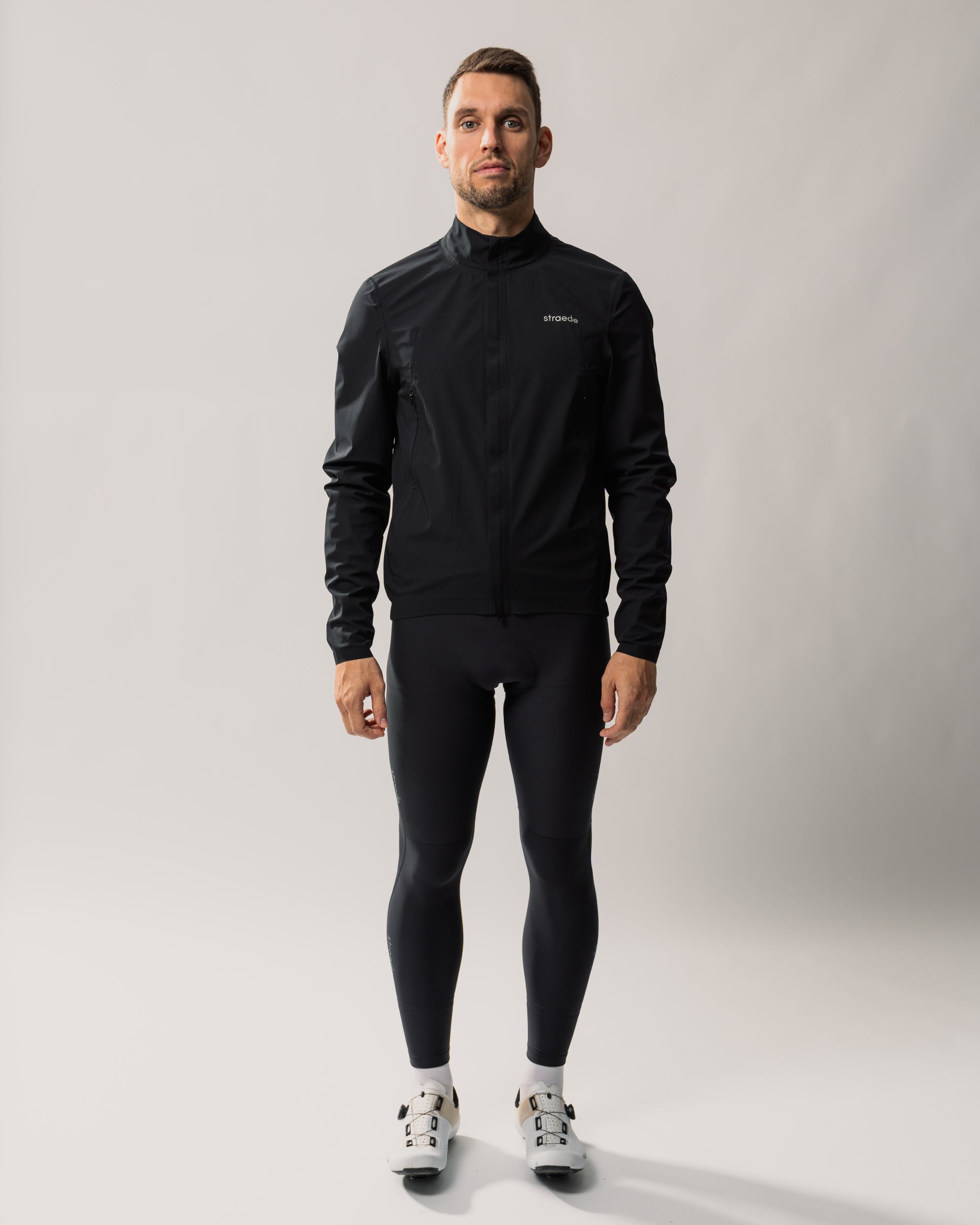
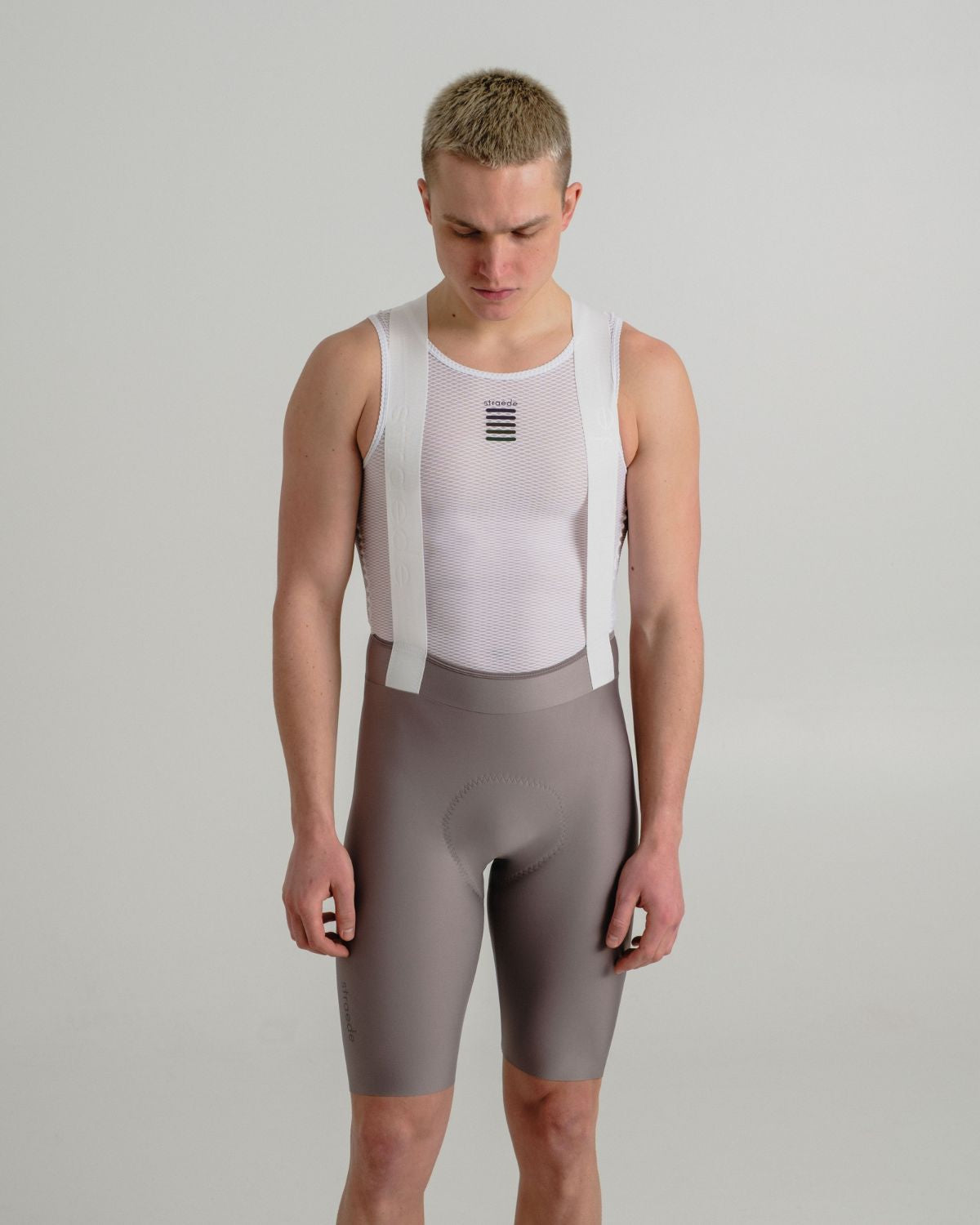
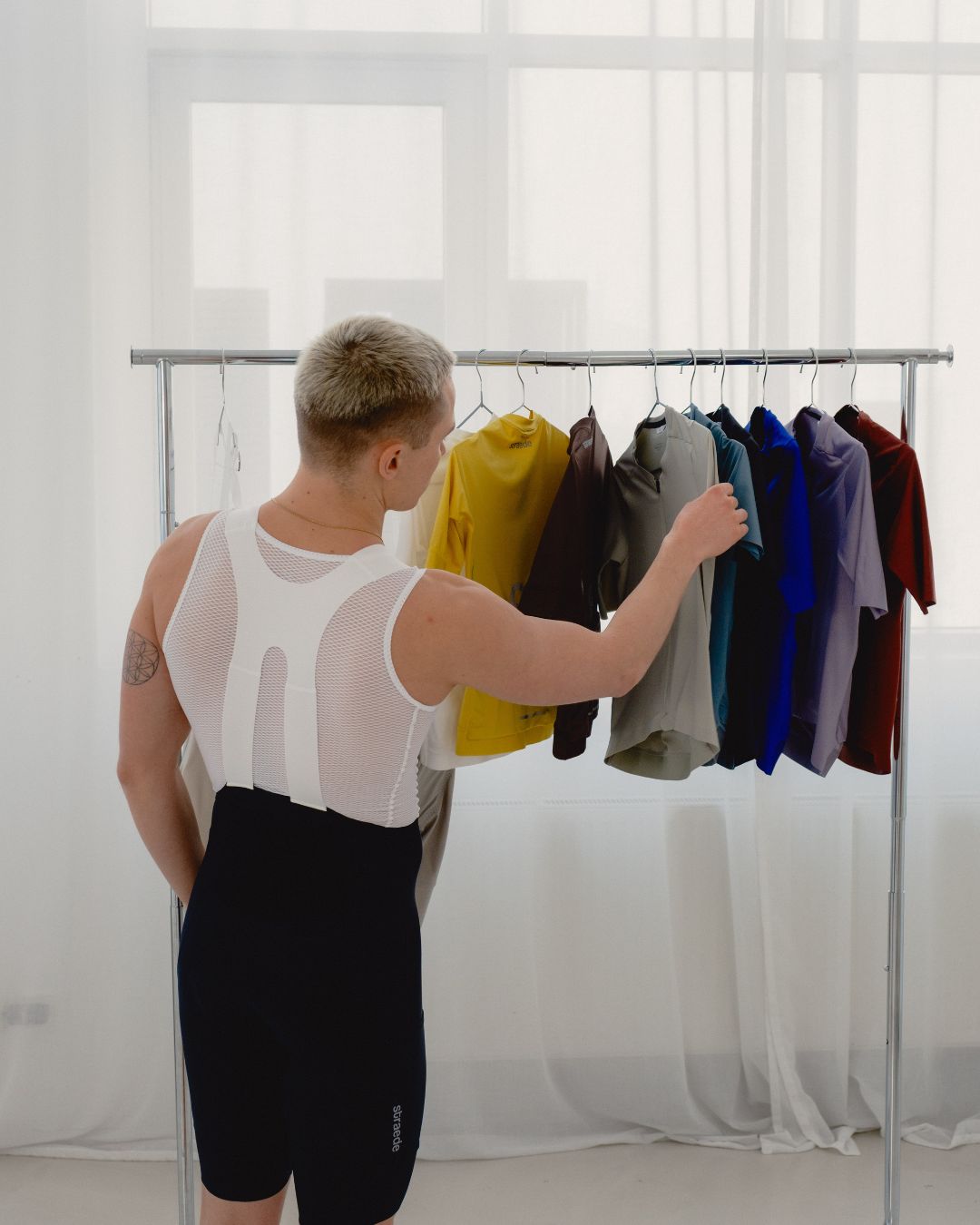
The baselayer is the foundation of your road cycling clothing in spring . Its key function is effective moisture management. High-quality materials quickly wick moisture to the next layer, thus reducing the risk of getting chilled during descents or short breaks. In spring , a lightweight base layer is ideal, as it provides a thin insulating layer without adding unnecessary bulk.

The perfect layering system for spring
To maximize your riding enjoyment in these changing weather conditions , a well-thought-out layering system is essential. It's about choosing your road cycling clothing in spring so that you can react flexibly to temperatures and wind. Our guide will help you find the ideal combination for your training. At straede, the motto remains as simple as ever: as much protection as necessary, as little bulk as possible.

The challenge: Cycling clothing for changing weather conditions
The biggest question for road cyclists in March or April is often: What should I wear? Choosing the right clothing for these temperatures can be difficult. A classic problem for many road cyclists is getting chilled on descents after intense climbs. If moisture remains in the clothing, the wind quickly draws heat away from the body. Effective moisture management is therefore crucial.
A modern road cycling outfit has to fulfill several tasks simultaneously in spring .
- protects against cold
- ensures efficient moisture management
- and offers reliable protection against a brief shower or cold wind when needed.
By wearing different layers (layering), you create padding that insulates while remaining breathable.
The layers for spring
▶︎ All products are as thin and light as possible so that you can take them with you on your road bike and when gravel biking without taking up much space.
Road cycling in spring: Layer by layer to optimal performance
A functional system typically consists of three coordinated layers. Each layer performs a clearly defined task to enhance your performance.
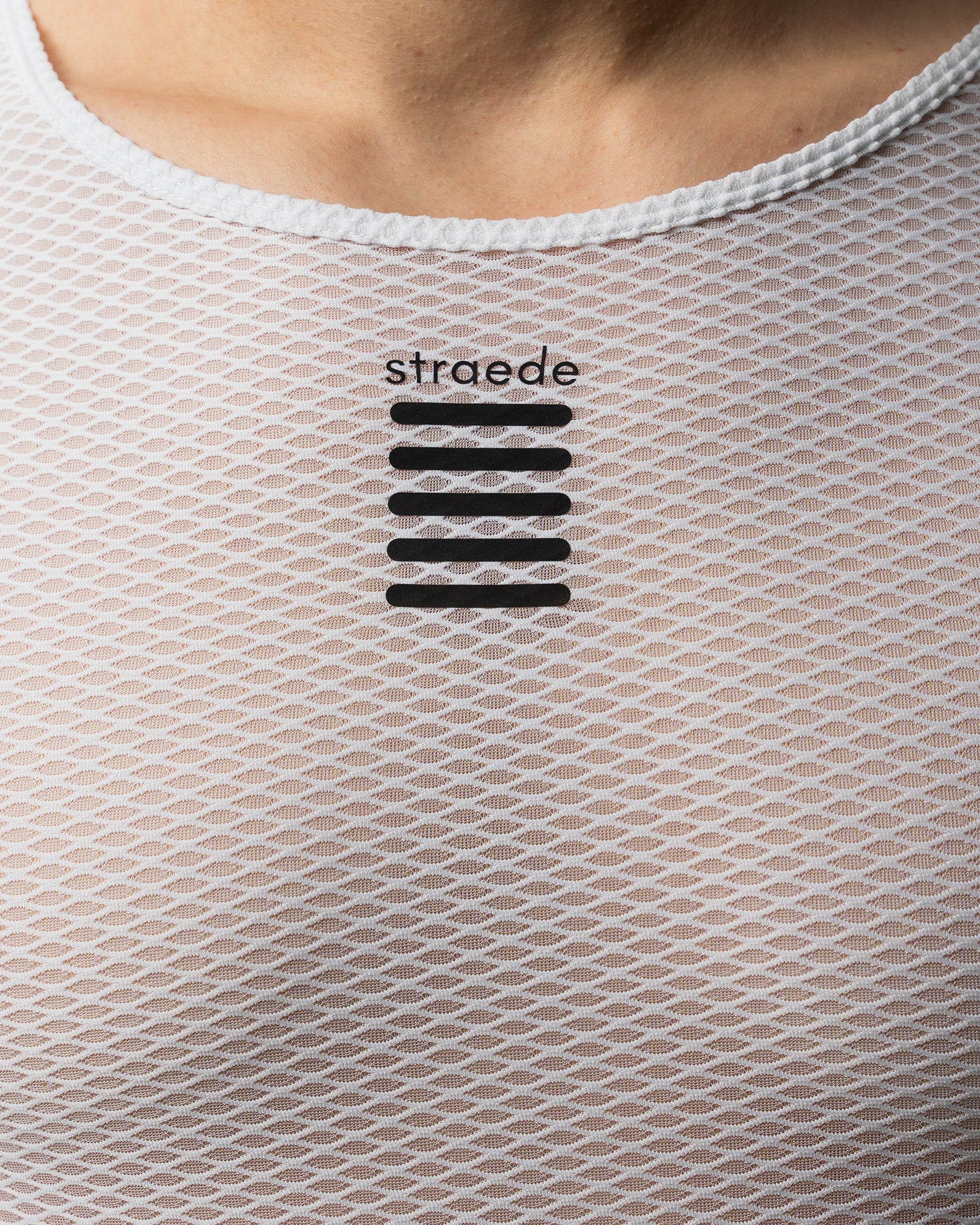
The baselayer: Functionality directly on the skin
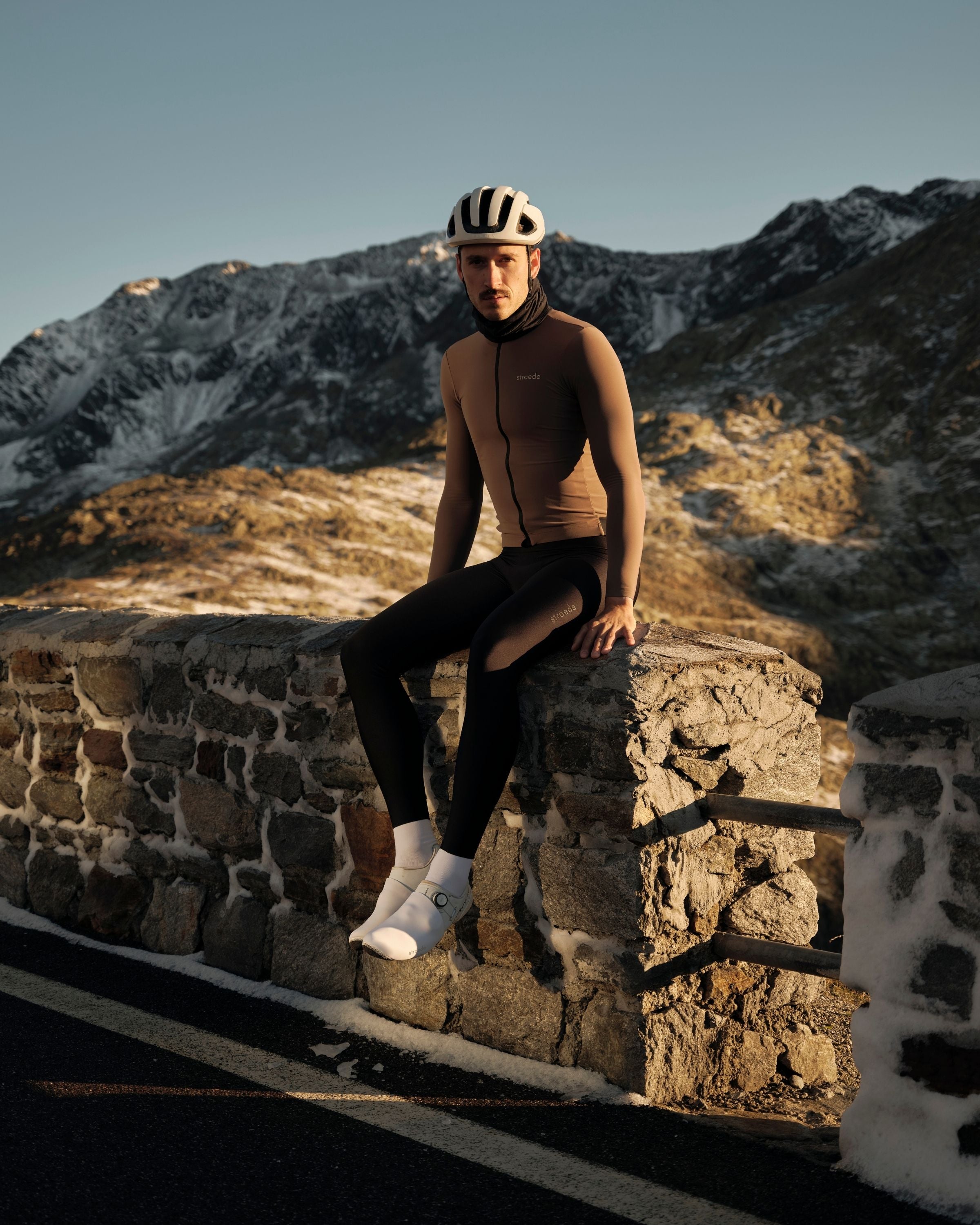
The jersey: The versatile mid-layer
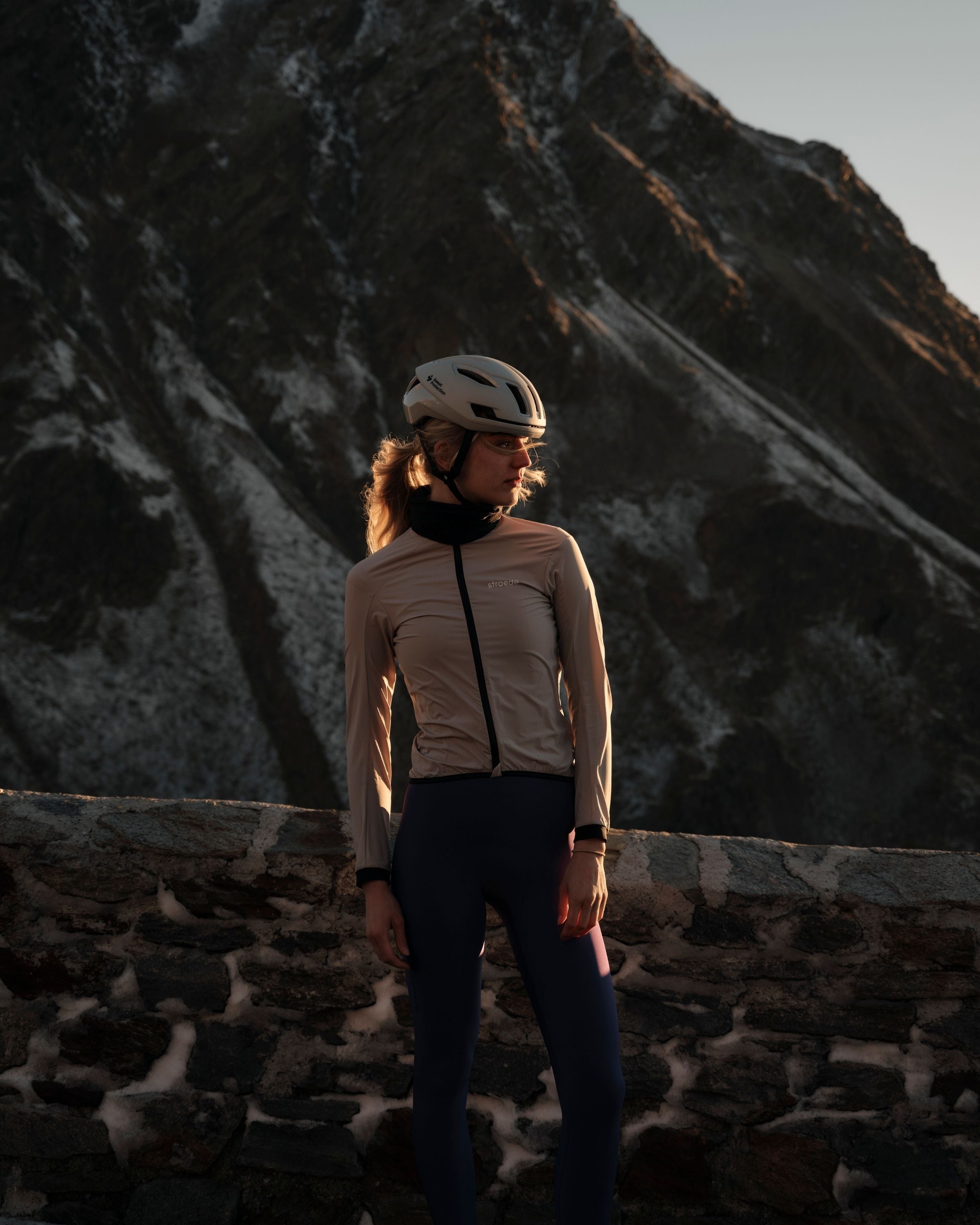
The road cycling jacket for spring: protection from the elements
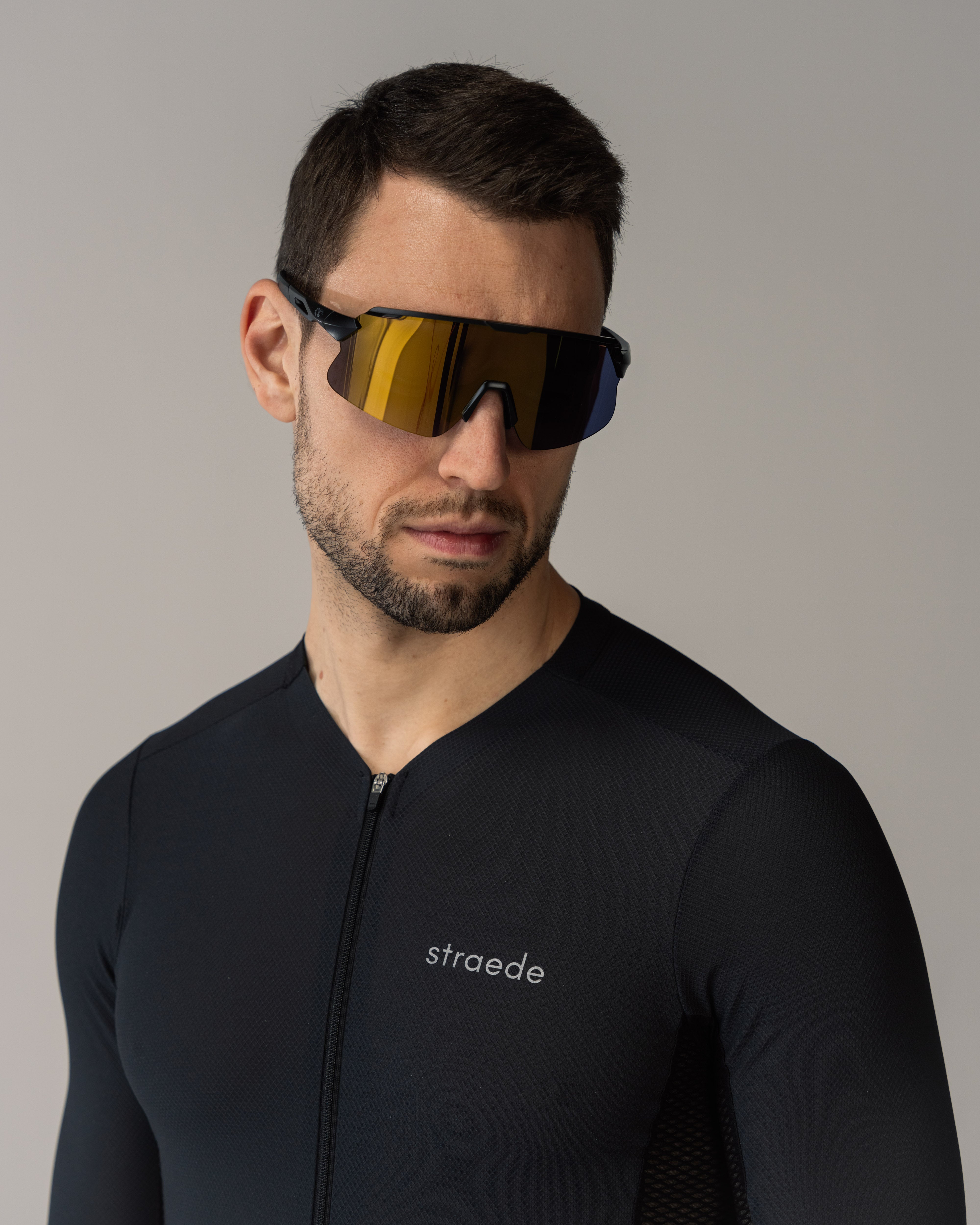
Underestimated factors in spring: UV protection and the right equipment
Focus on the legs: Flexibility through leg warmers
While the upper body is usually protected by layering, the legs require an equally flexible solution. The muscles do the main work and need constant warmth to prevent injuries and perform at their best.
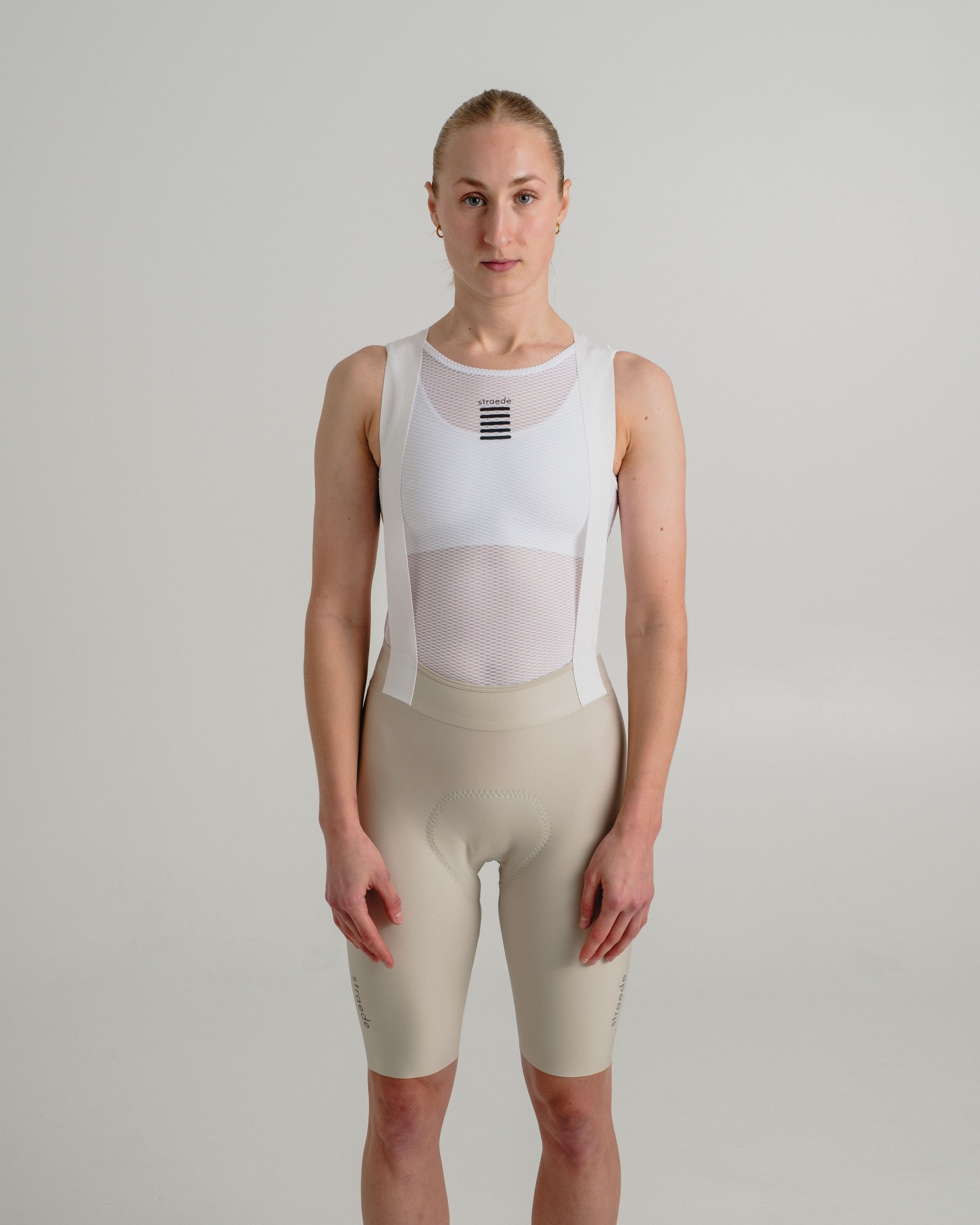
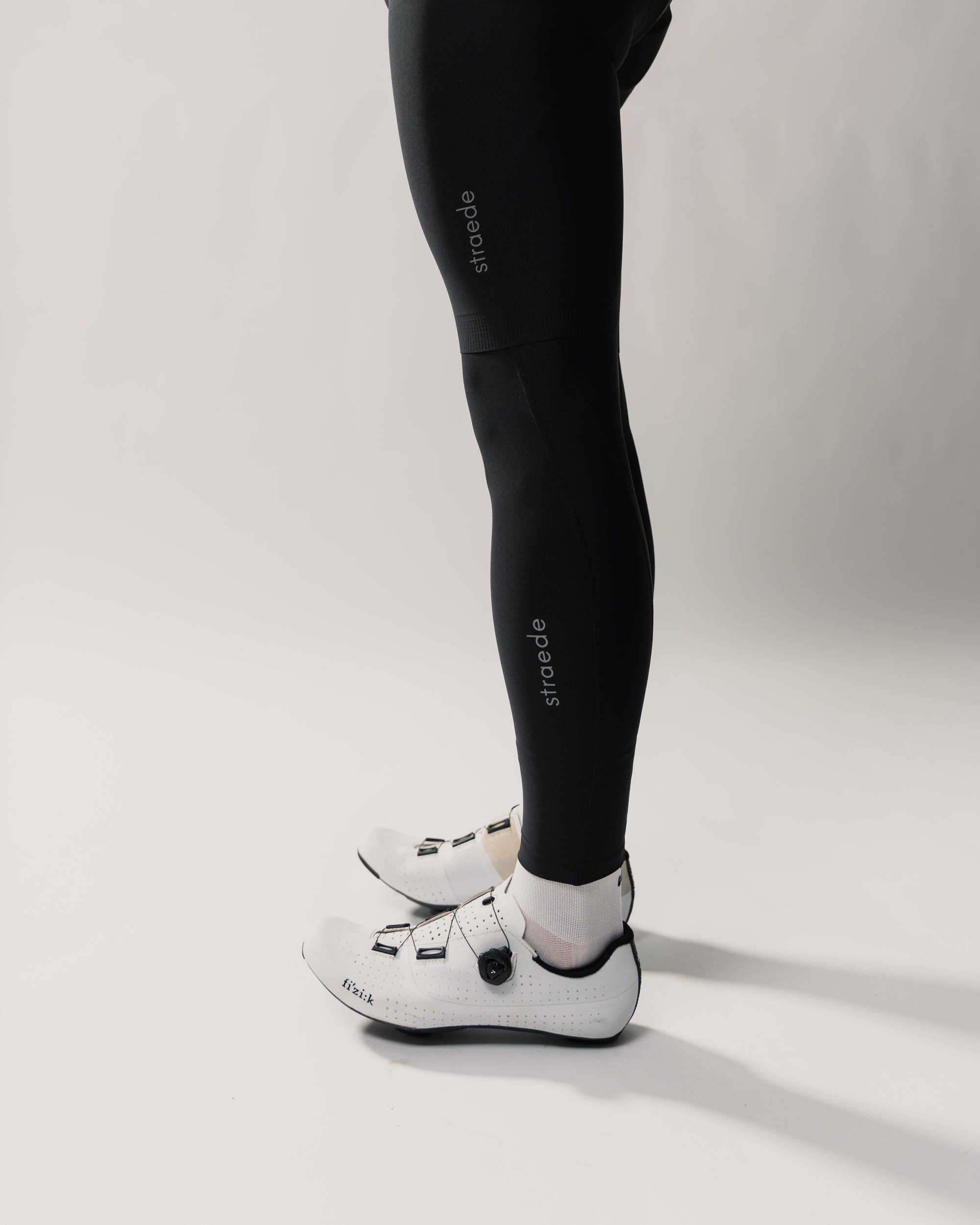
During the transitional seasons, high-quality cycling shorts combined with leg warmers are often the tried and tested choice. This combination allows you to adjust your clothing to the temperature while riding.
- As soon as the sun gets stronger at midday, the leg warmers can be easily removed and packed away compactly. Compared to winter, when heavy thermal pants are the norm, this setup offers significantly more freedom in spring.
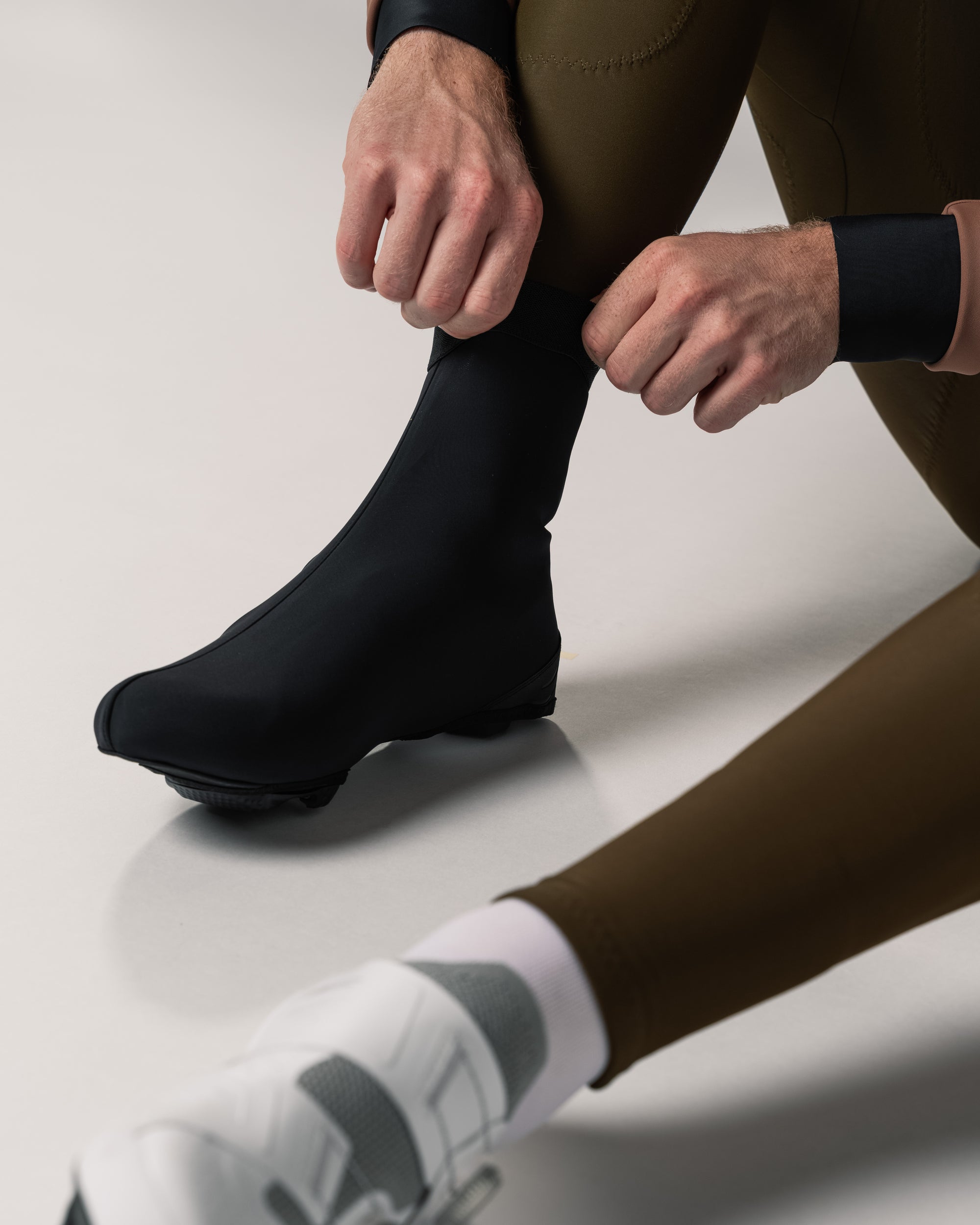
- Don't forget your feet. Since they hardly move on the bike, they cool down particularly quickly due to the wind . Thin overshoes worn over your cycling shoes will block the wind and protect you from spray. Alternatively, toe covers provide targeted protection for your toes against cold, wind, and wet conditions. Lightweight gloves complete your cycling outfit and ensure your fingers are always ready for precise shifting and braking.
Learn more about the proper care of your road cycling clothing to ensure the functionality of the membranes is maintained for a long time.
Cycling shorts, leg warmers and overshoes
Conclusion: Your path to the perfect spring road bike setup
The right cycling apparel for spring is characterized by a focus on the essentials and high functionality. With a coordinated system of base layer, jersey, and a protective outer layer, you'll be prepared for all weather conditions.
One final tip for your setup: Another important aspect when choosing the right gear is coordinating the individual layers. At straede, we focus on timeless designs and matching colors, so different pieces can be optimally combined.
Frequently asked questions about road cycling clothing in spring
Normal road cycling or gravel shoes are usually sufficient. Thin overshoes offer the necessary protection against cooling wind chill and keep out light rain.
The basic principle remains the same, but there are slight differences in exertion when riding a gravel bike. Since you're often slower off-road, the cooling breeze is less intense than on the open road. At the same time, the physical effort on unpaved paths is often higher due to constantly adjusting to uneven surfaces. Accordingly, the optimal clothing for gravel riding can differ slightly. However, a flexible layering system remains crucial.
In spring, forest and field paths are often damp for much longer than paved roads. A vest or a lightweight rain jacket for road cycling with a water-repellent backing protects the upper body from spray and dirt. Additionally, dirt-repellent overshoes offer protection from moisture for shoes and socks.
The layering principle proves particularly effective at temperatures between 10°C and 18°C . Within this range, the temperature differences between shaded and sunny areas are greatest. Below 10°C, additional insulating materials can be beneficial, while above 18°C, a baselayer combined with a jersey is often sufficient.
For functional clothing to work optimally, a close fit is crucial. A baselayer can only reliably wick moisture away from the skin if it fits snugly. Furthermore, a close fit avoids unnecessary air resistance and prevents cold air from circulating between the layers.
After riding in the rain or on wet surfaces, it's advisable to clean your clothing promptly. Mud and road grime can impair the function of membranes. Washing at low temperatures on a gentle cycle without fabric softener helps maintain the elasticity and breathability of the materials in the long term. You can find more information in our care guide.
A major advantage of modern cycling apparel is its compact size when packed. High-quality wind vests or lightweight cycling jackets for spring can be folded down and stowed in the back pocket of your jersey. Leg warmers and arm warmers also take up very little space and can be quickly put on when needed.
Discover more guides for your optimal road cycling experience

Still questions?
We're happy to help – just write to us at support@straede.cc . We'll get back to you quickly and personally.