






Rolling through the winter
Winter is here, and the weather often puts a damper on road training. But that's no reason to put your road bike away in the basement. For many road cyclists and gravel bikers, riding at home has become more than just a temporary solution for the cold season.
It's a real alternative that offers variety and keeps your motivation high when it's dark, wet, and cold outside. But while a lot of time is spent choosing the right indoor trainer, one crucial point is often forgotten: What should you actually wear? In this article, you'll learn why less is often more and what you really need to consider when choosing your indoor cycling apparel.

Riding a road bike indoors: heat build-up instead of airflow
The biggest difference compared to riding outdoors is obvious, but its impact is often underestimated: the lack of wind. When you're on the road, the flowing air provides constant cooling and evaporates sweat.
On a stationary bike or trainer, this effect is almost completely eliminated. While a fan does circulate the air in the room, it doesn't provide sufficient fresh air. Especially if you don't have adequate ventilation, even with a fan, your training space will still generate heat. This causes your body to heat up extremely quickly and struggle to regulate its temperature. As a result, you'll sweat much more profusely and quickly during indoor training.
This has a direct impact on your performance:
Your body is overheating
Your circulatory system is primarily occupied with cooling.
The efficiency of your movements decreases.
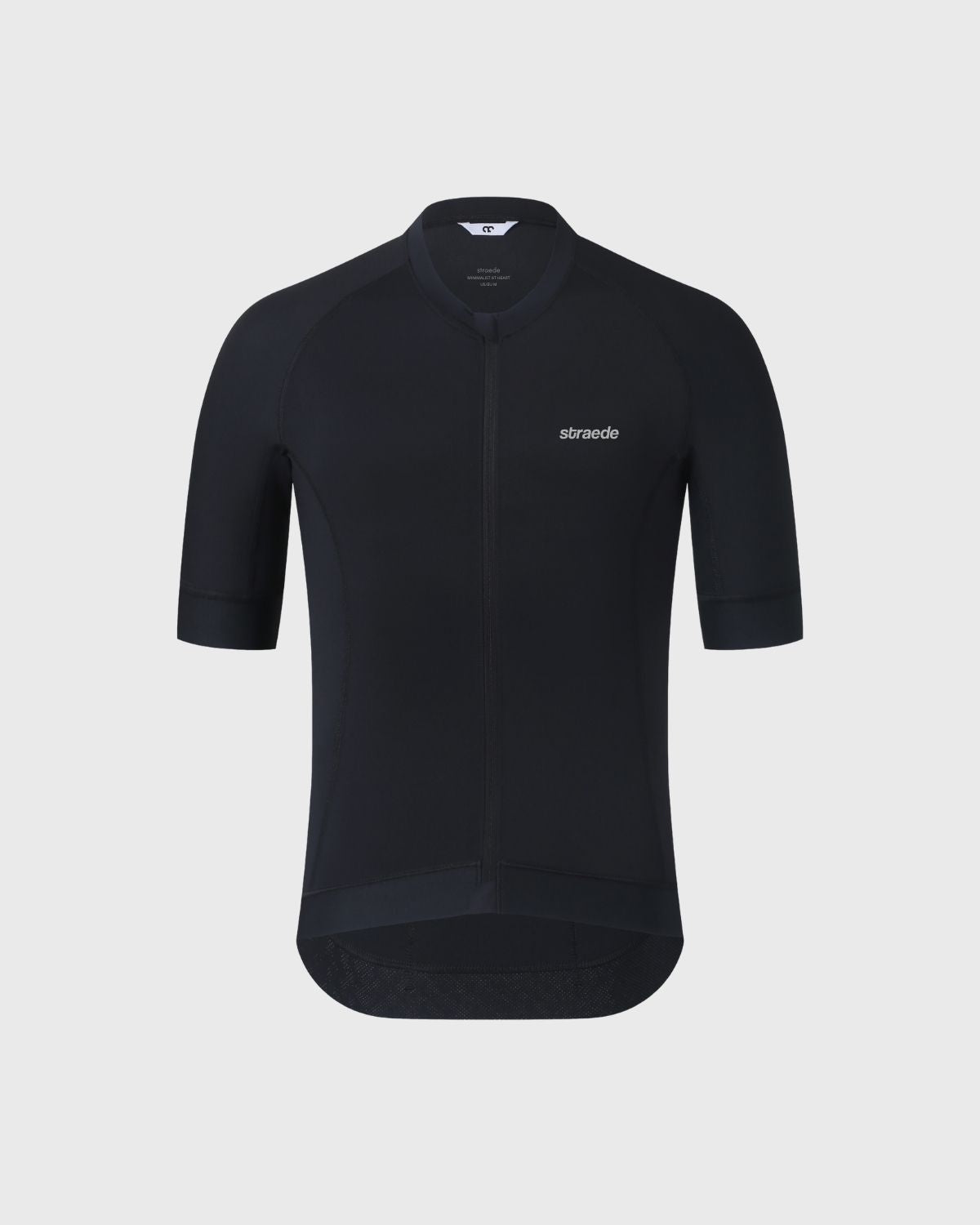
A normal cycling jersey quickly becomes a sauna here. The demands on your clothing for indoor cycling are therefore not less, but more specific: it must be extremely lightweight and wick away moisture quickly.
The basis: the right indoor cycling trousers
When cycling on a trainer, you move significantly less than outdoors. There are no traffic light phases where you get out of the saddle, and no descents where you lift your legs. You often sit for hours in a very static position. This greatly increases the pressure on your buttocks.
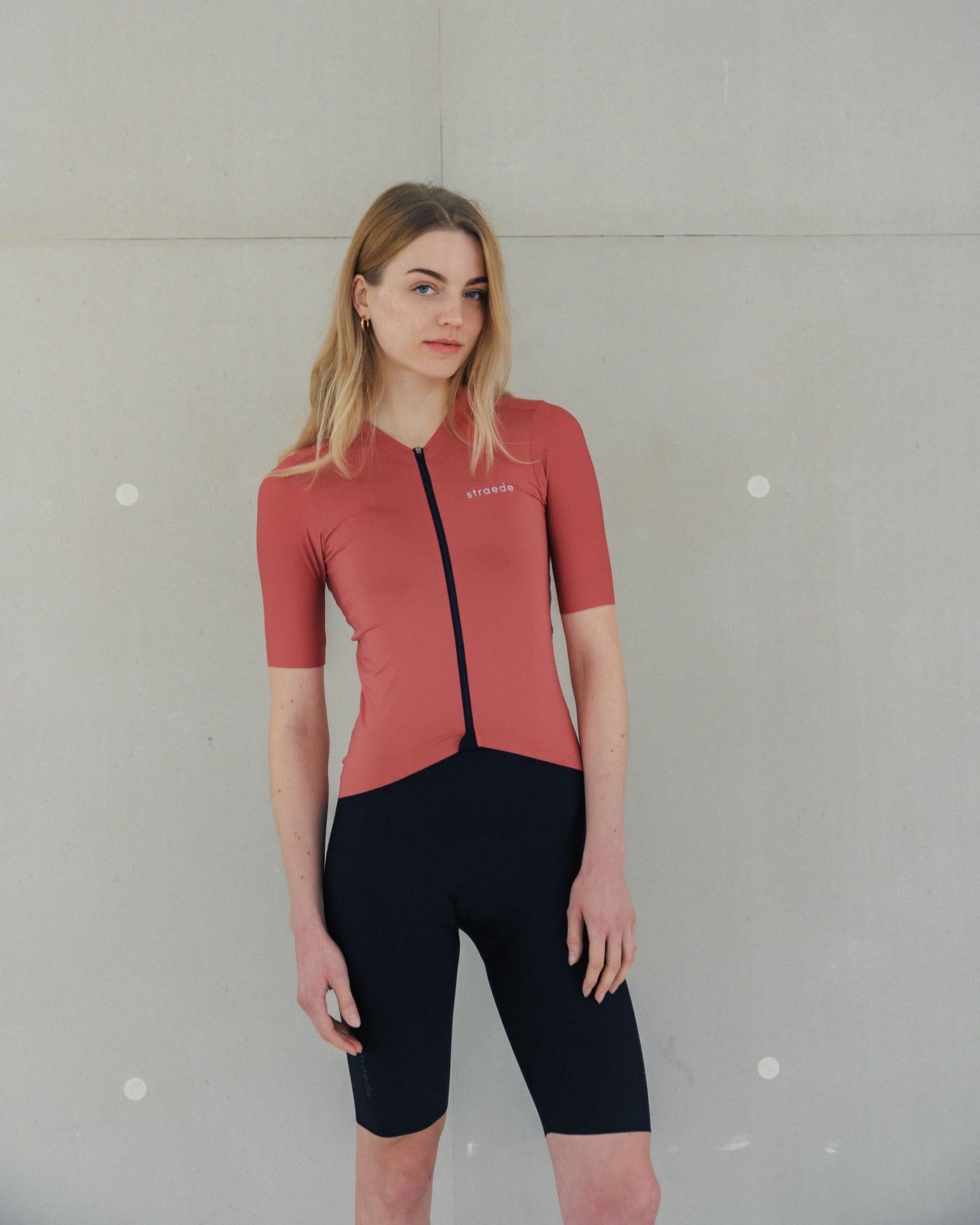
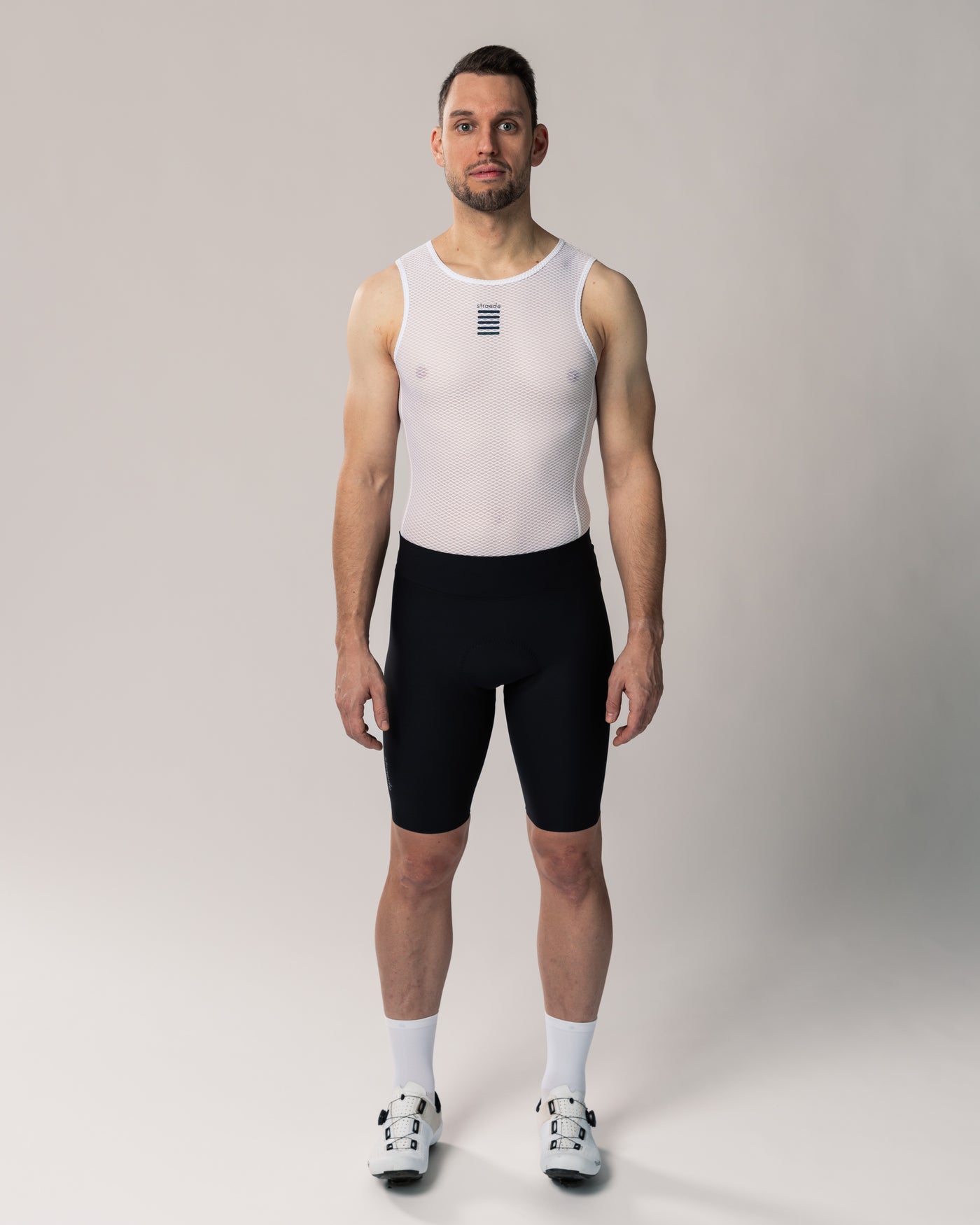
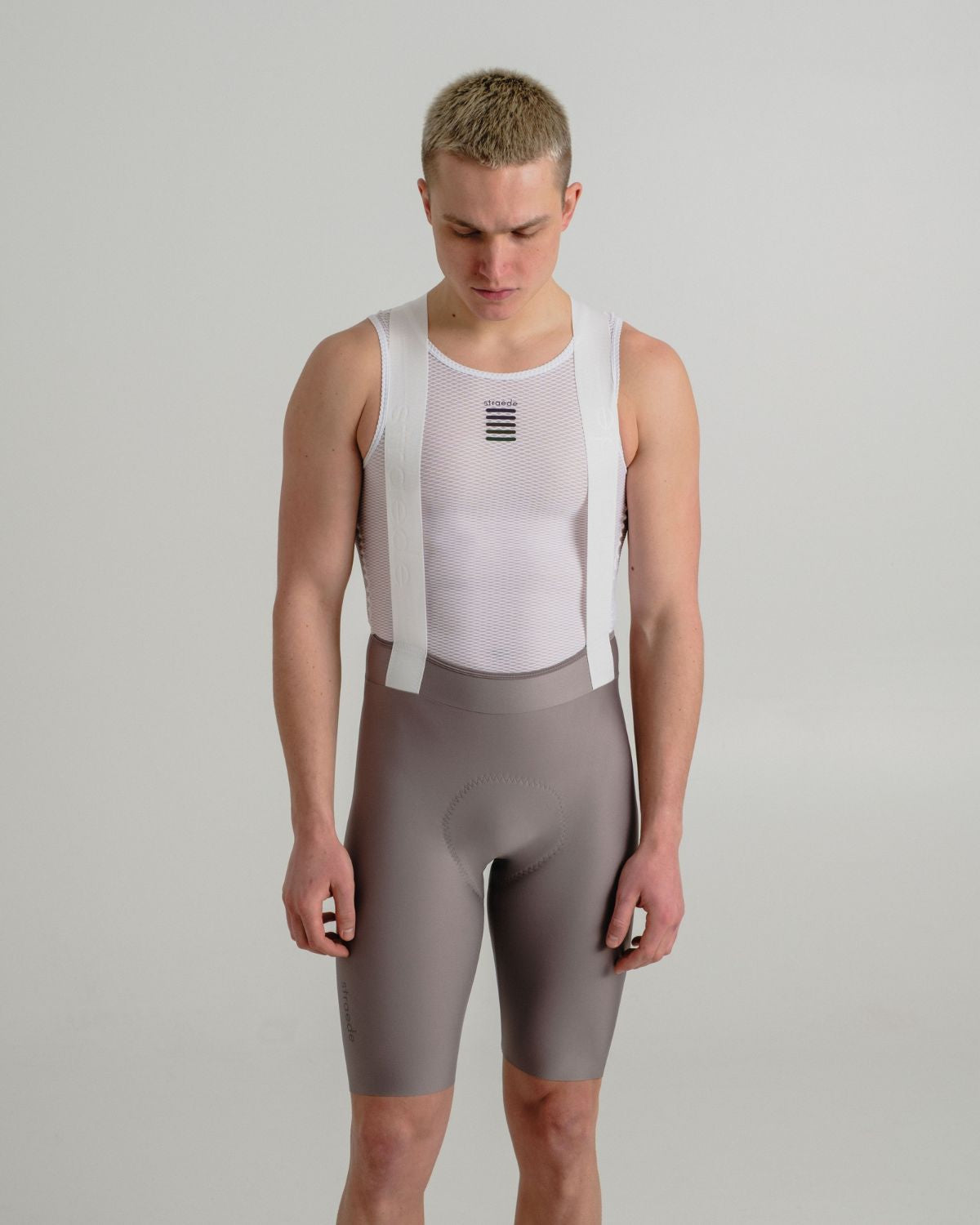
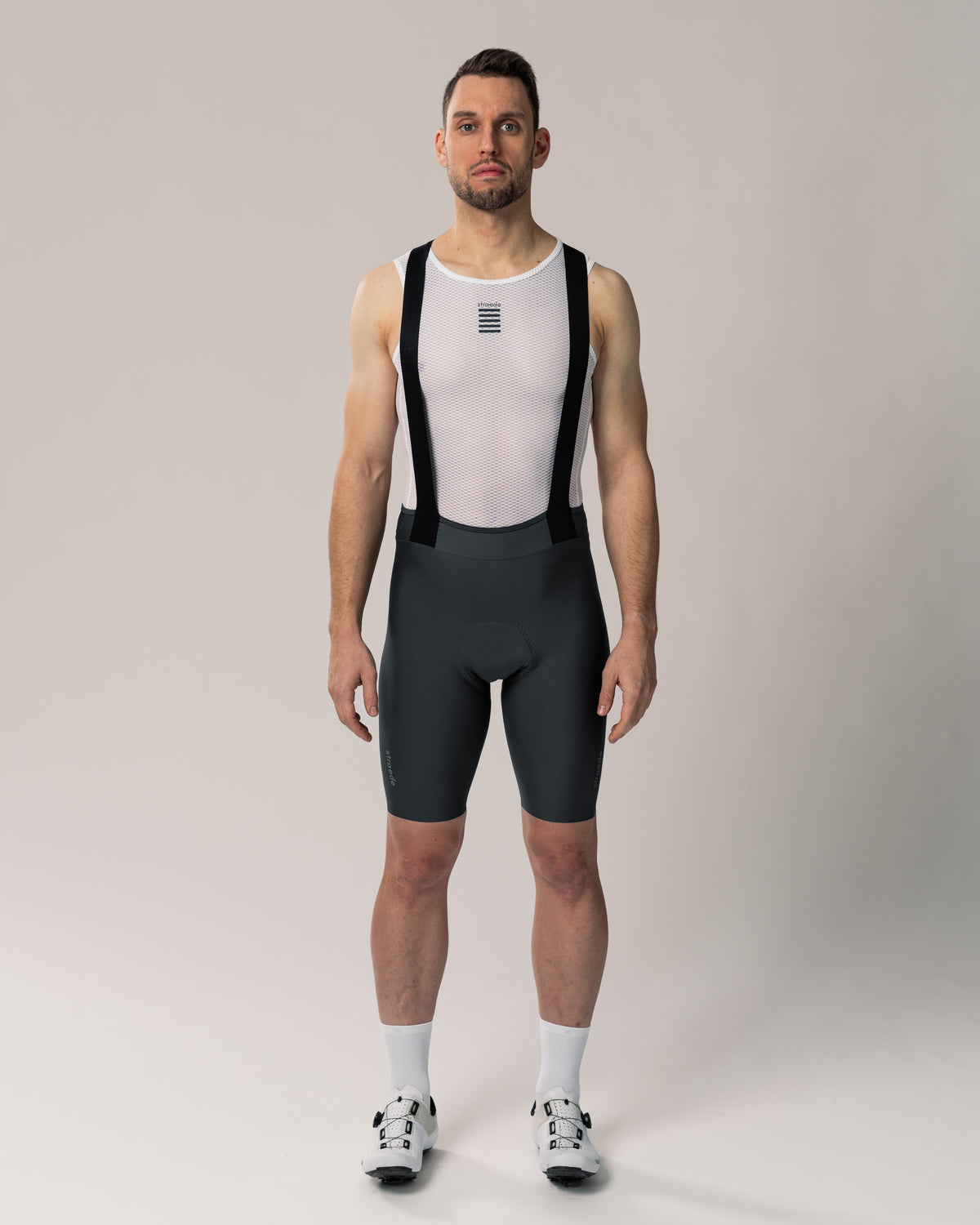
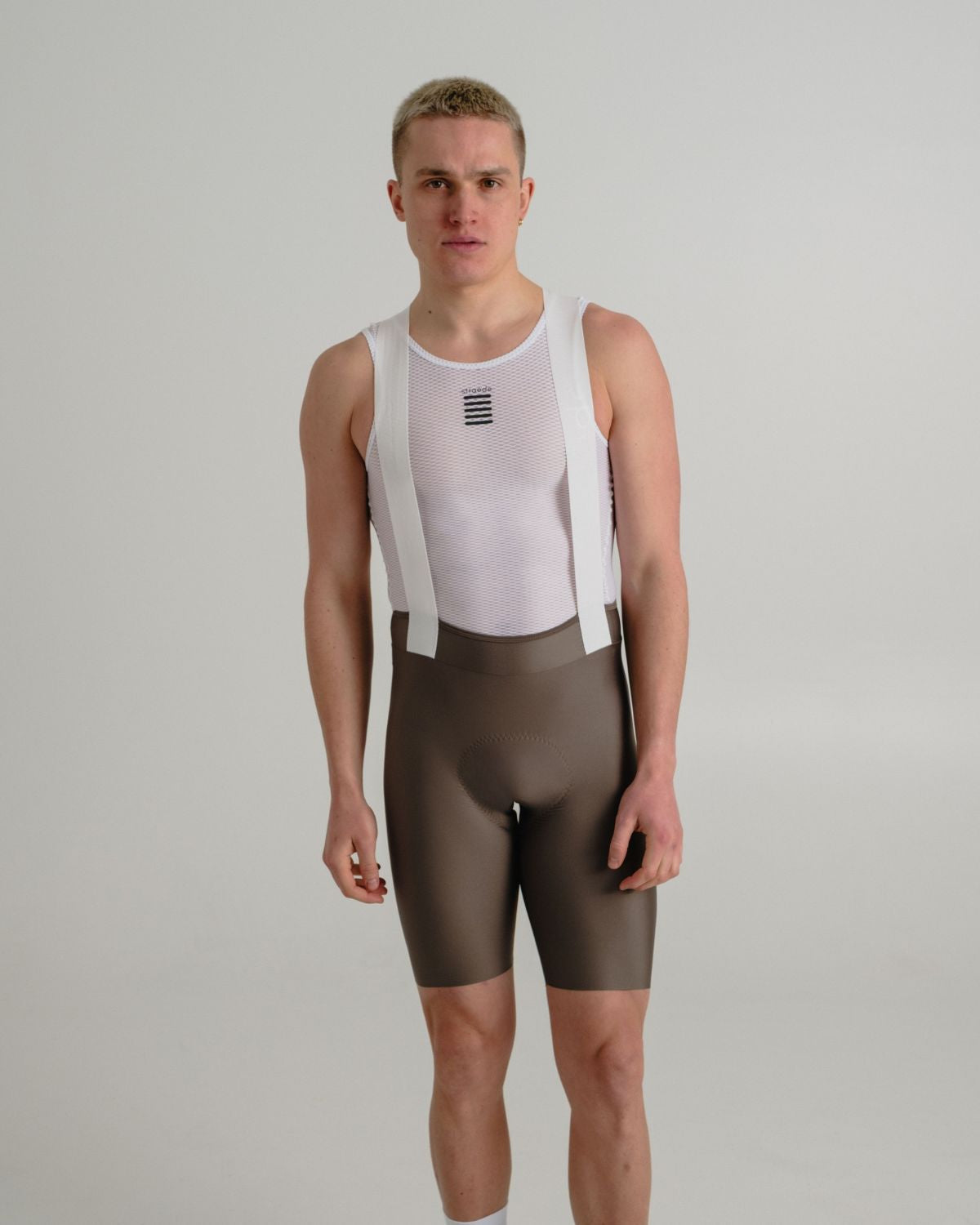
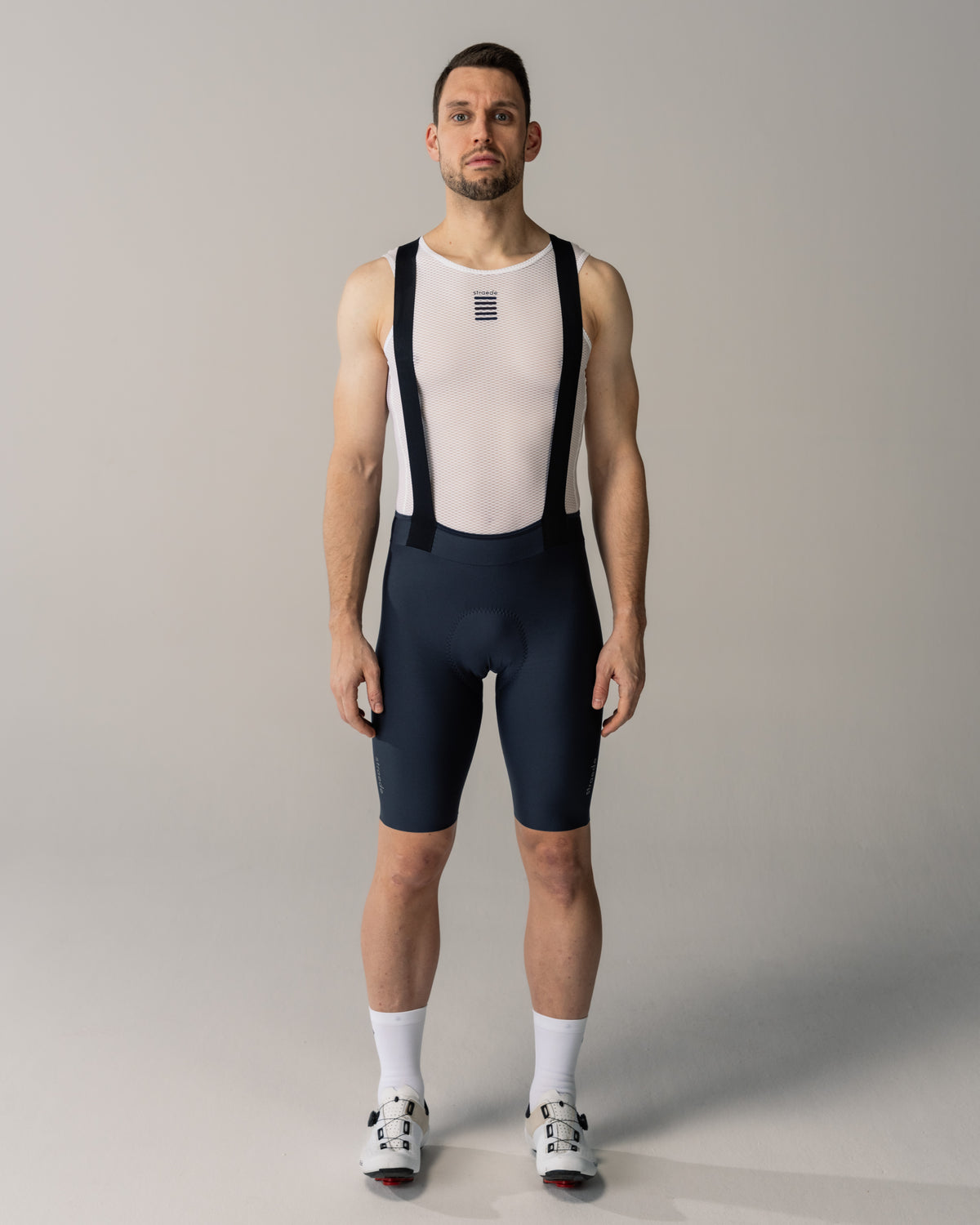
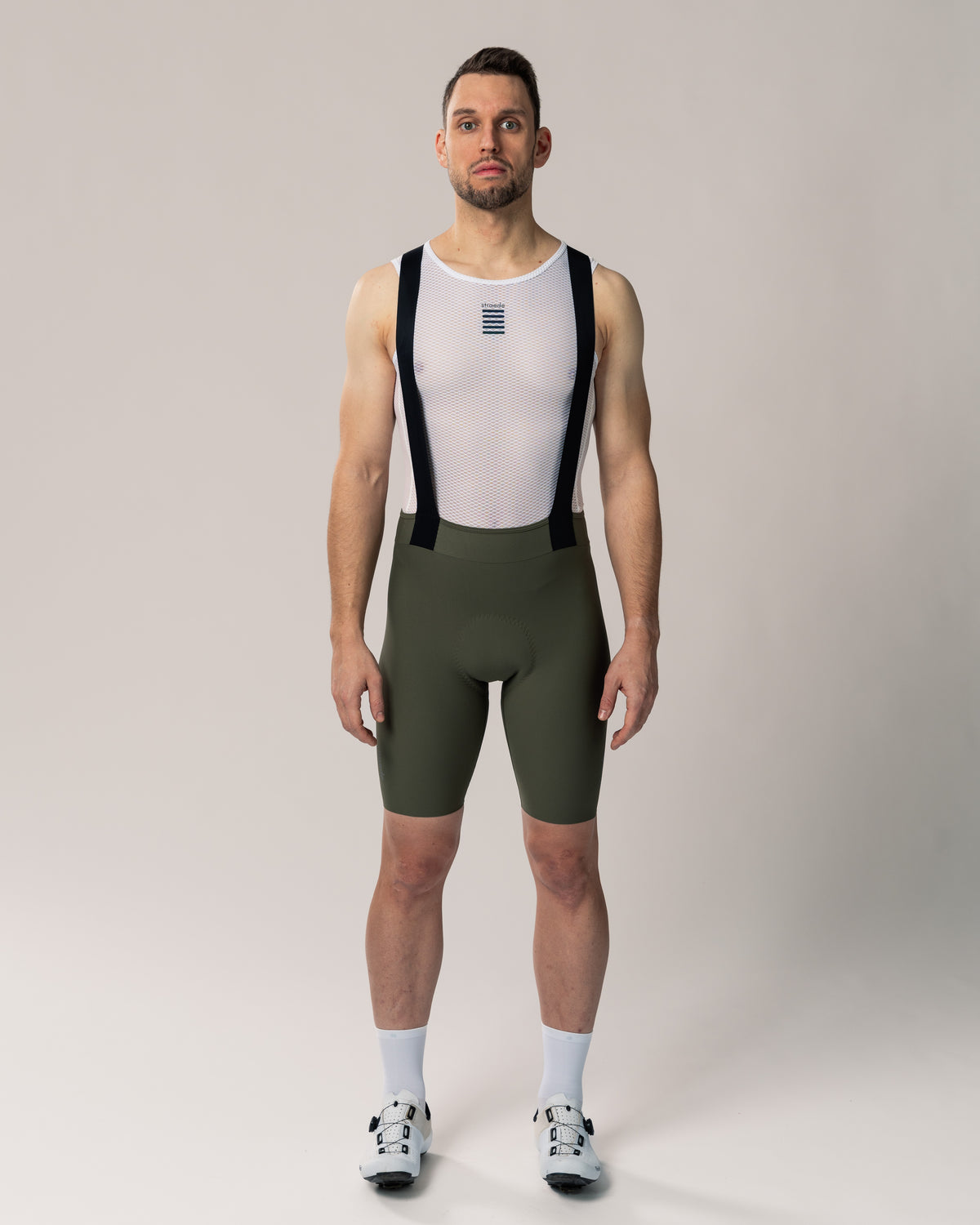
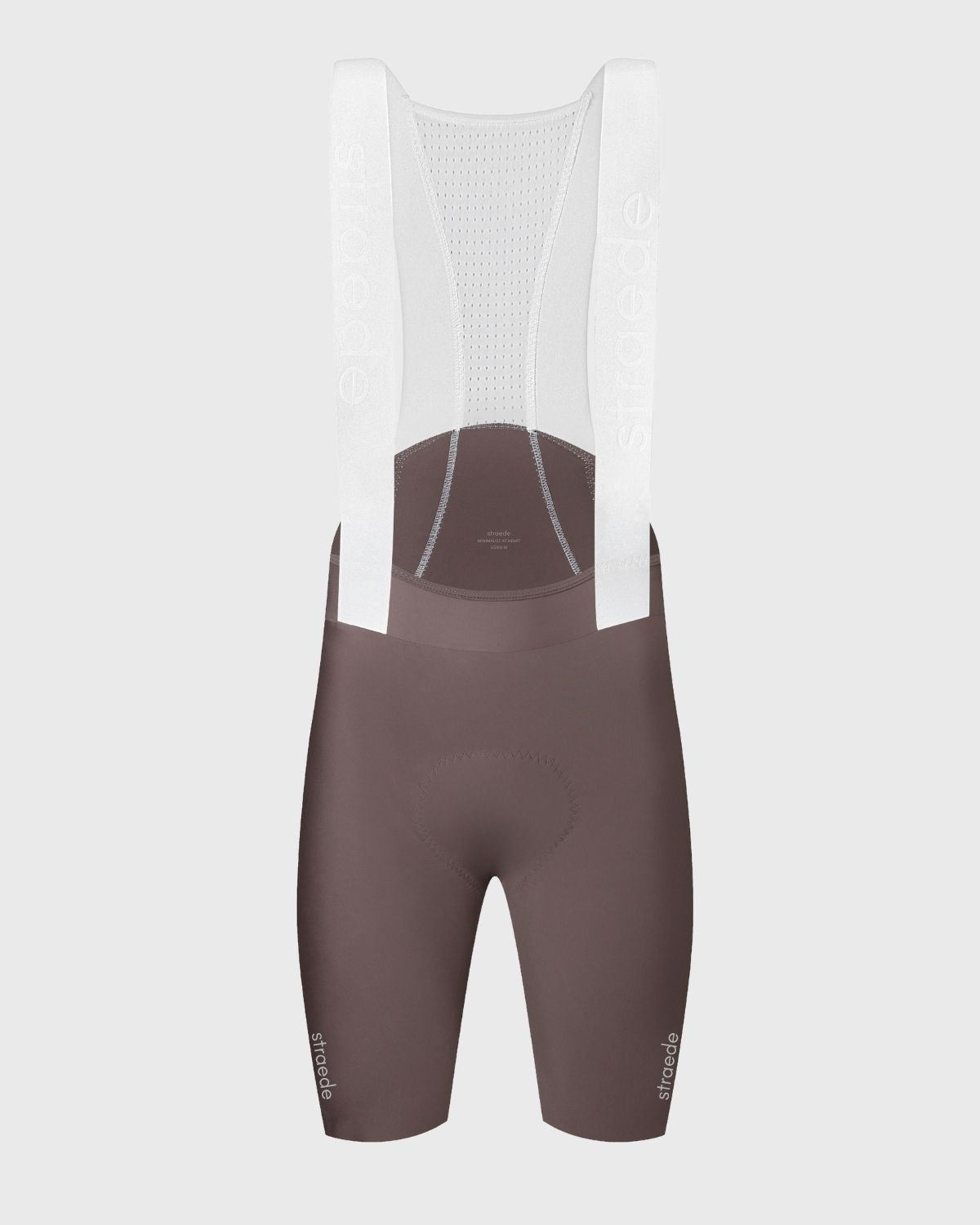
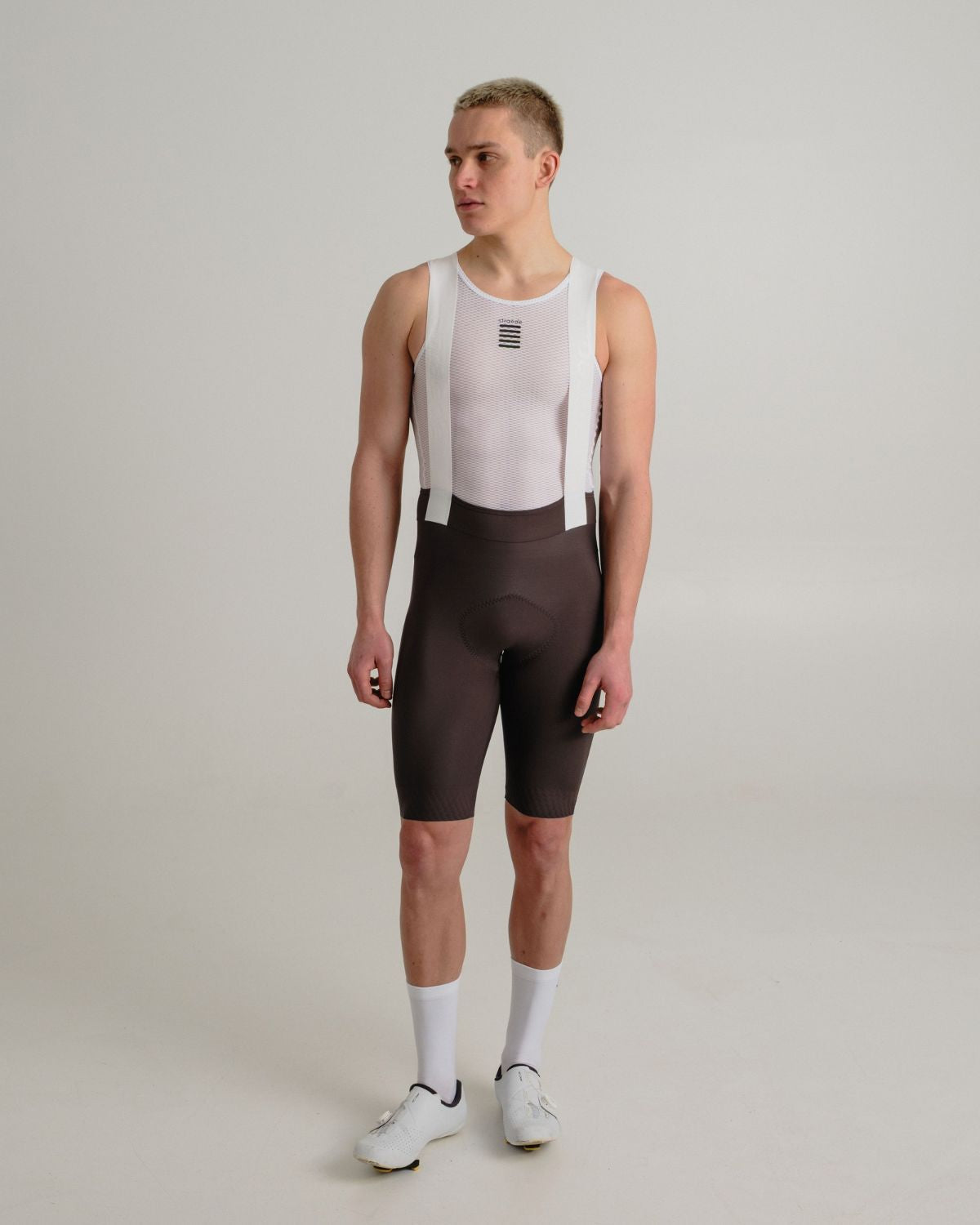
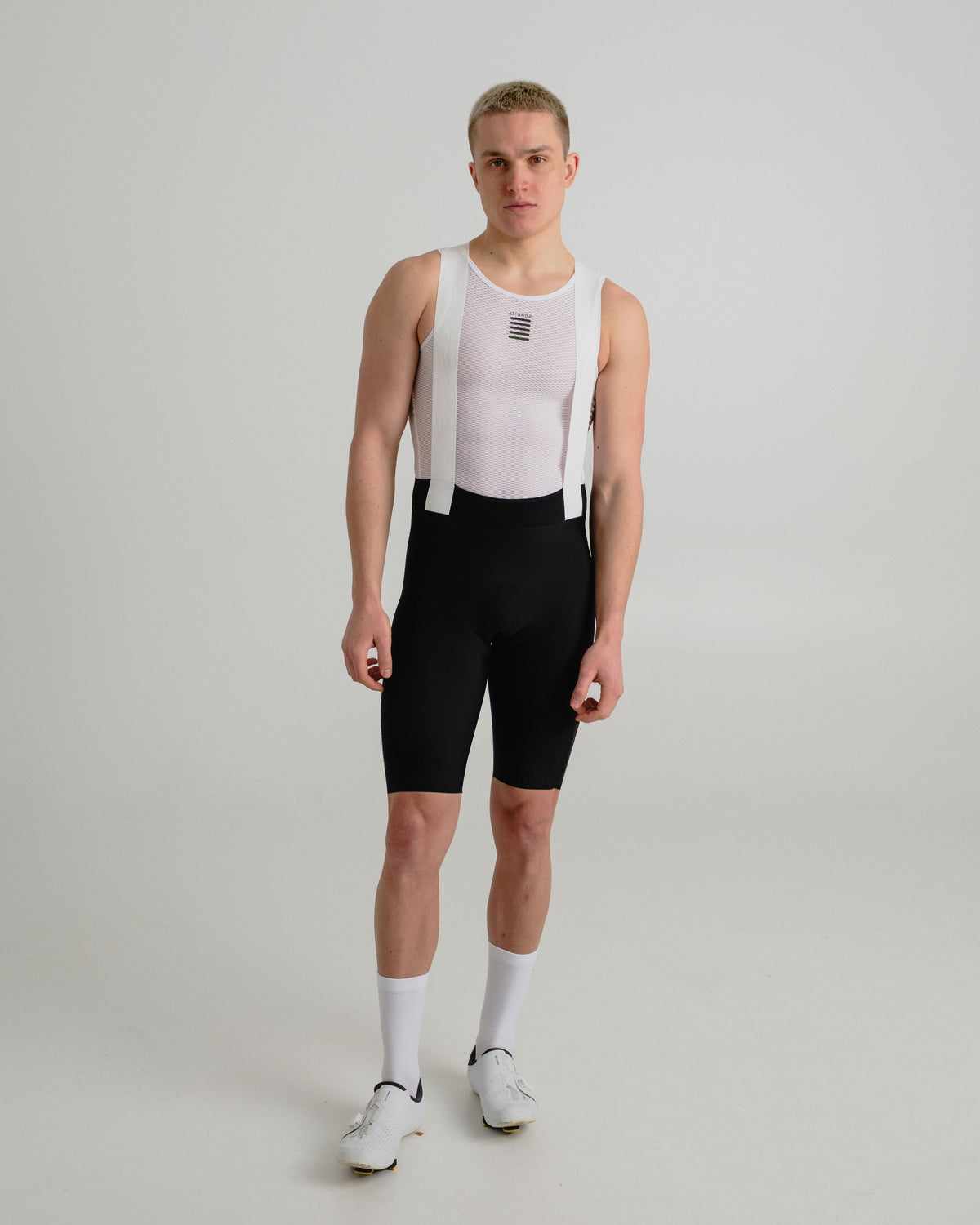
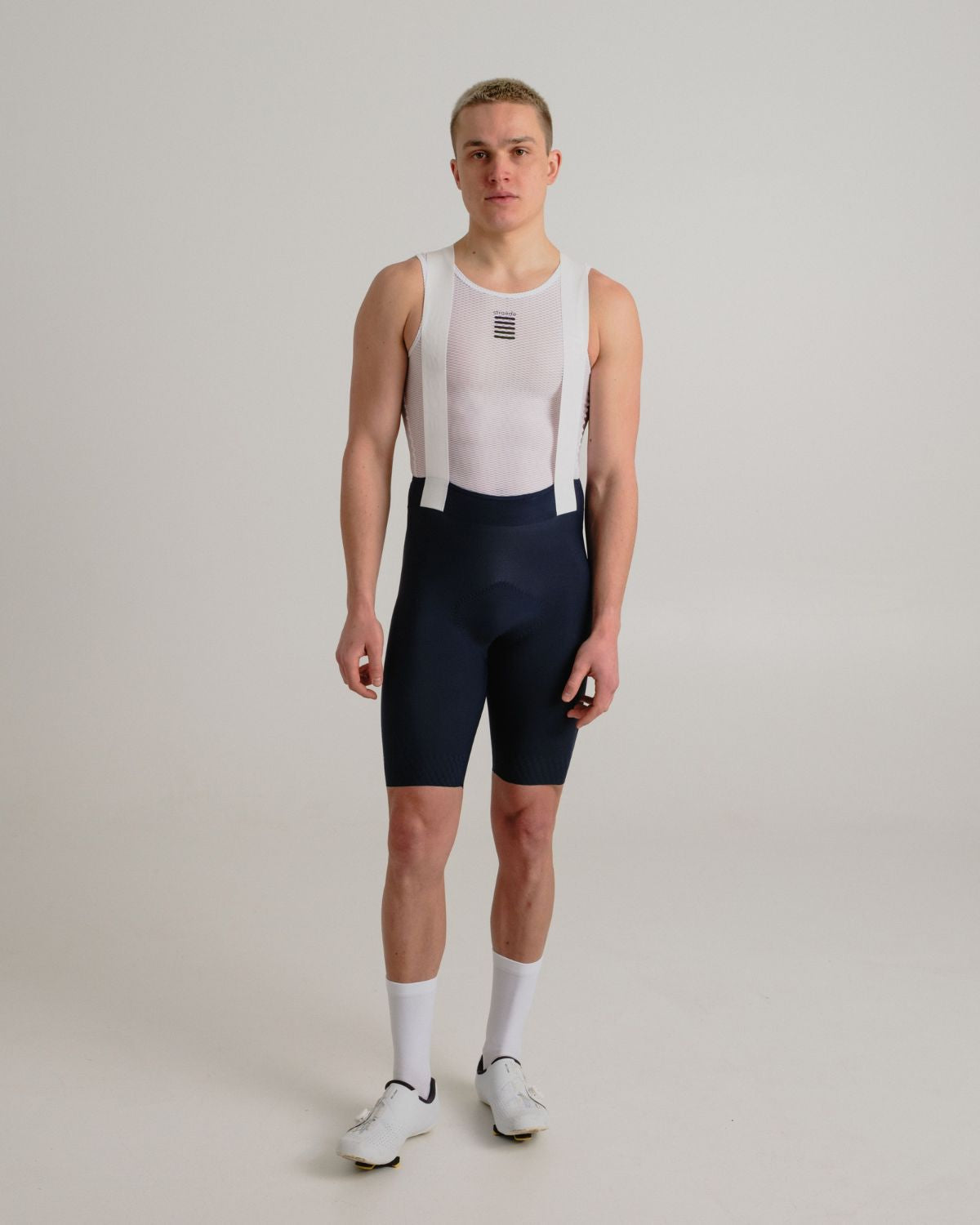
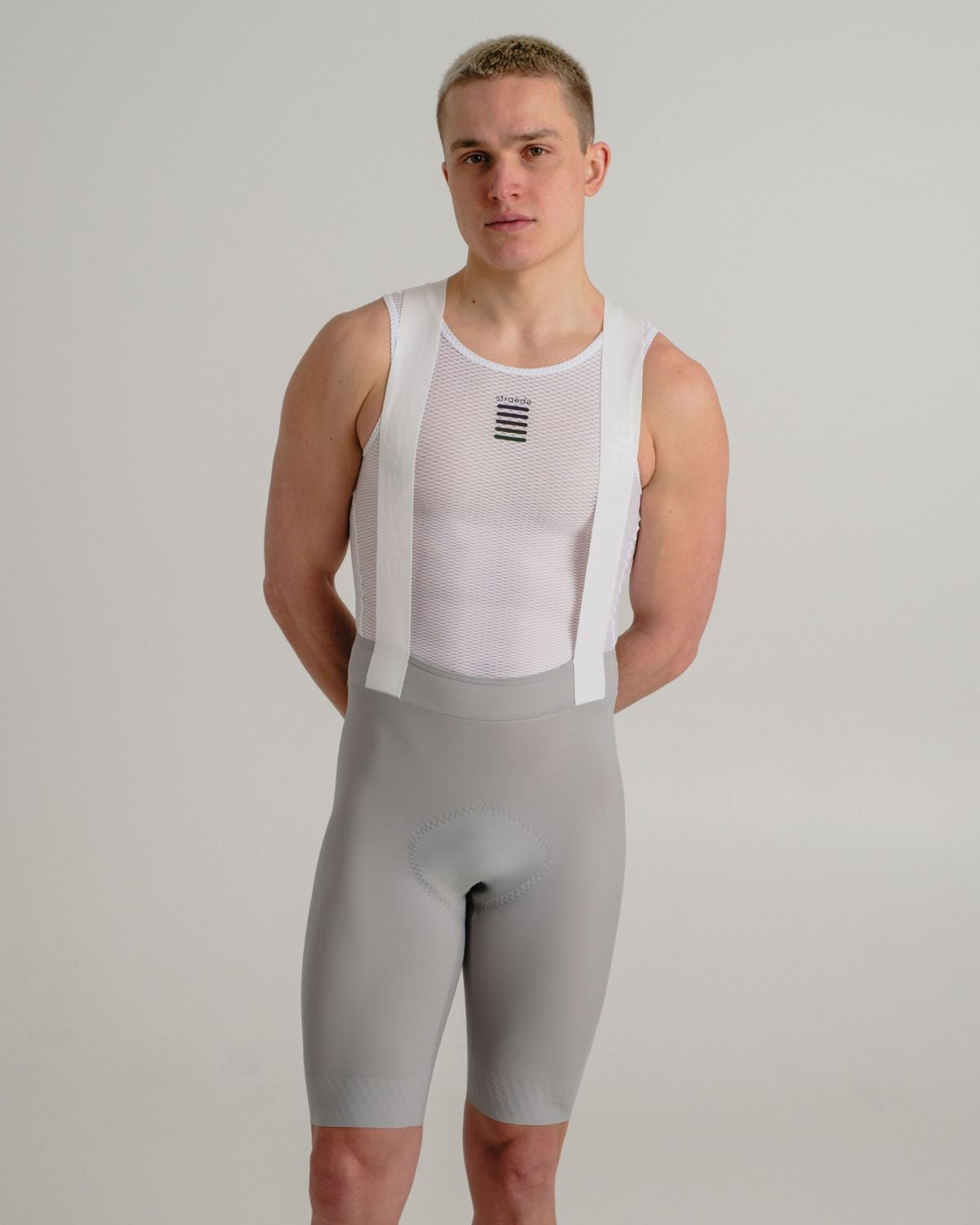
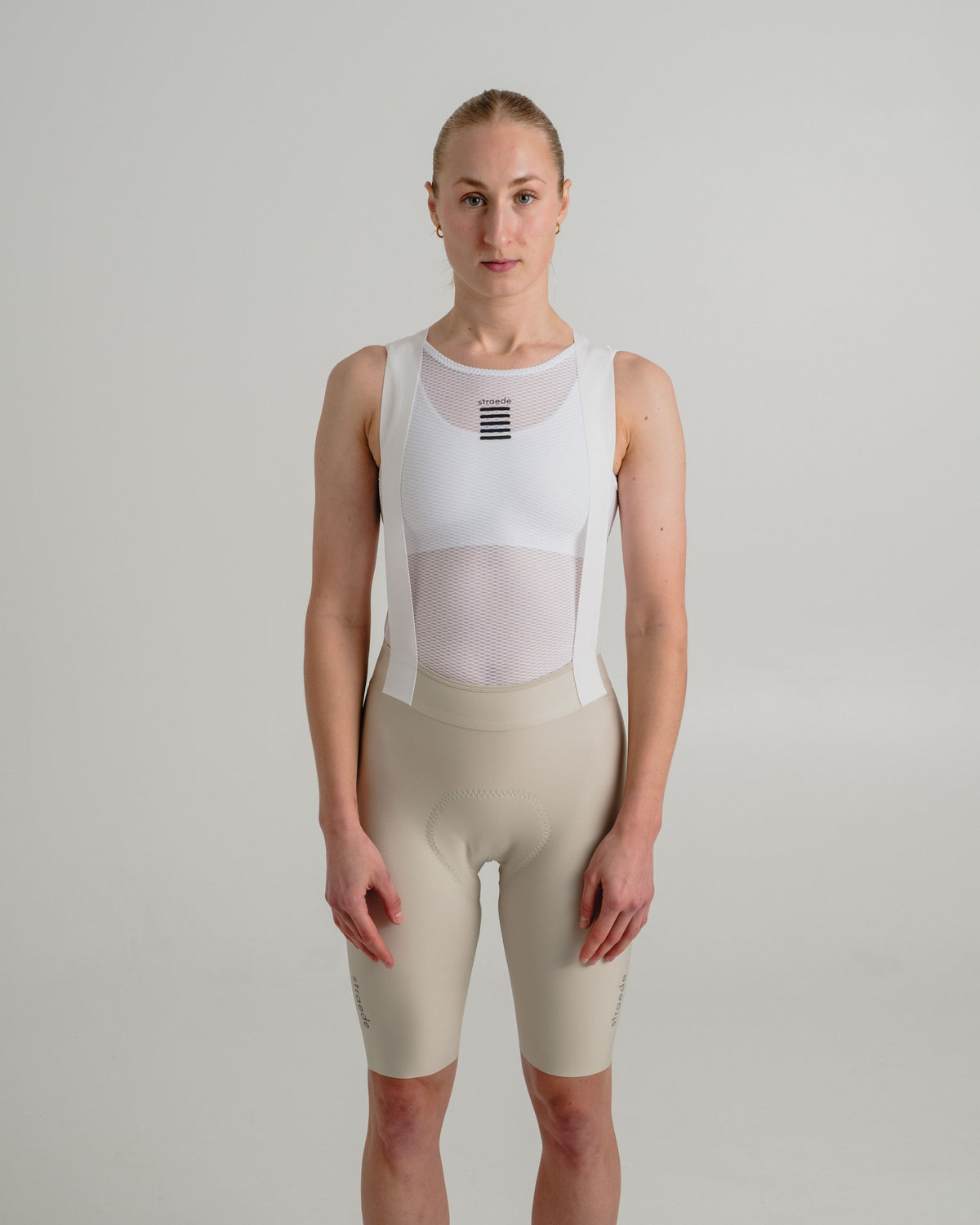
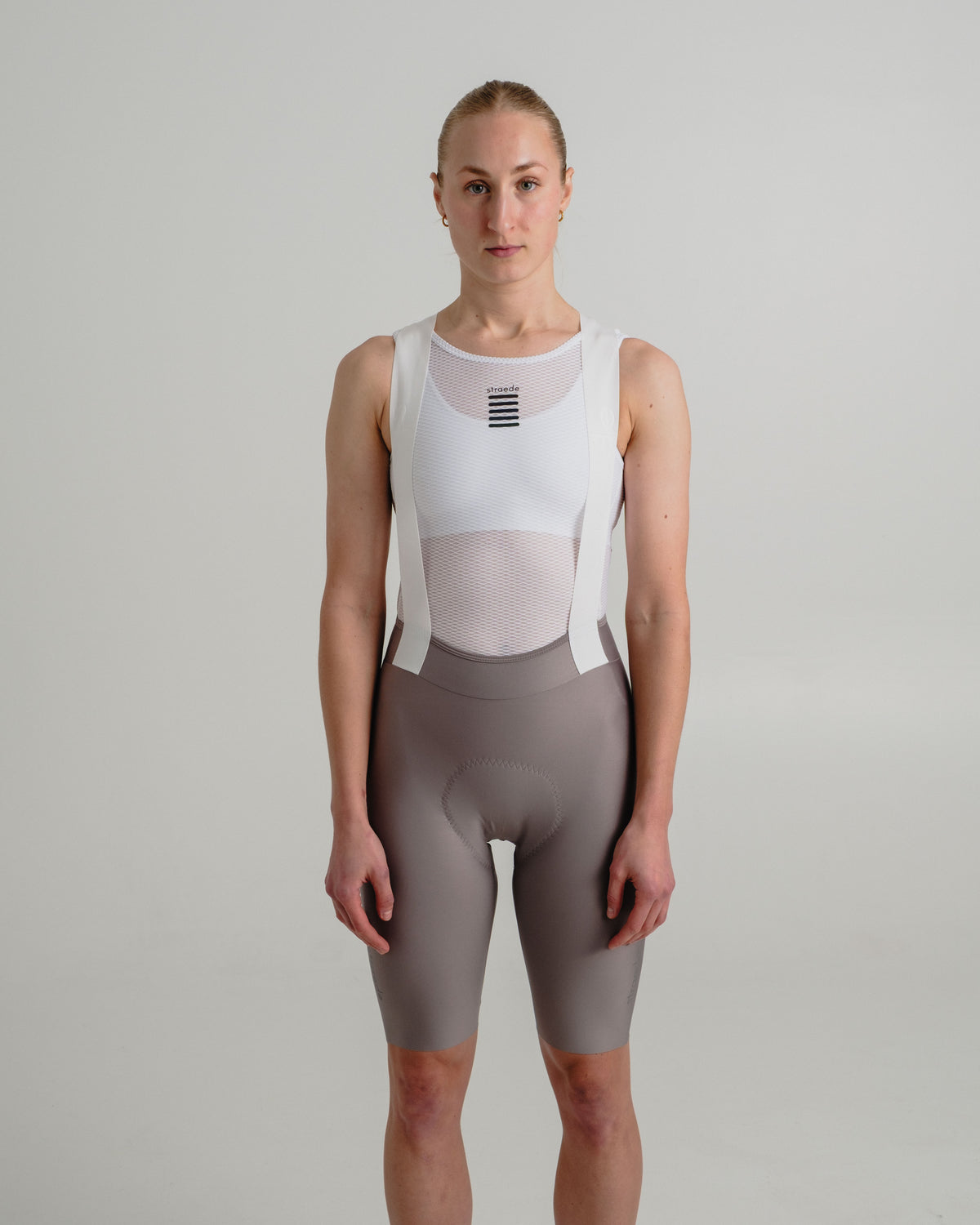
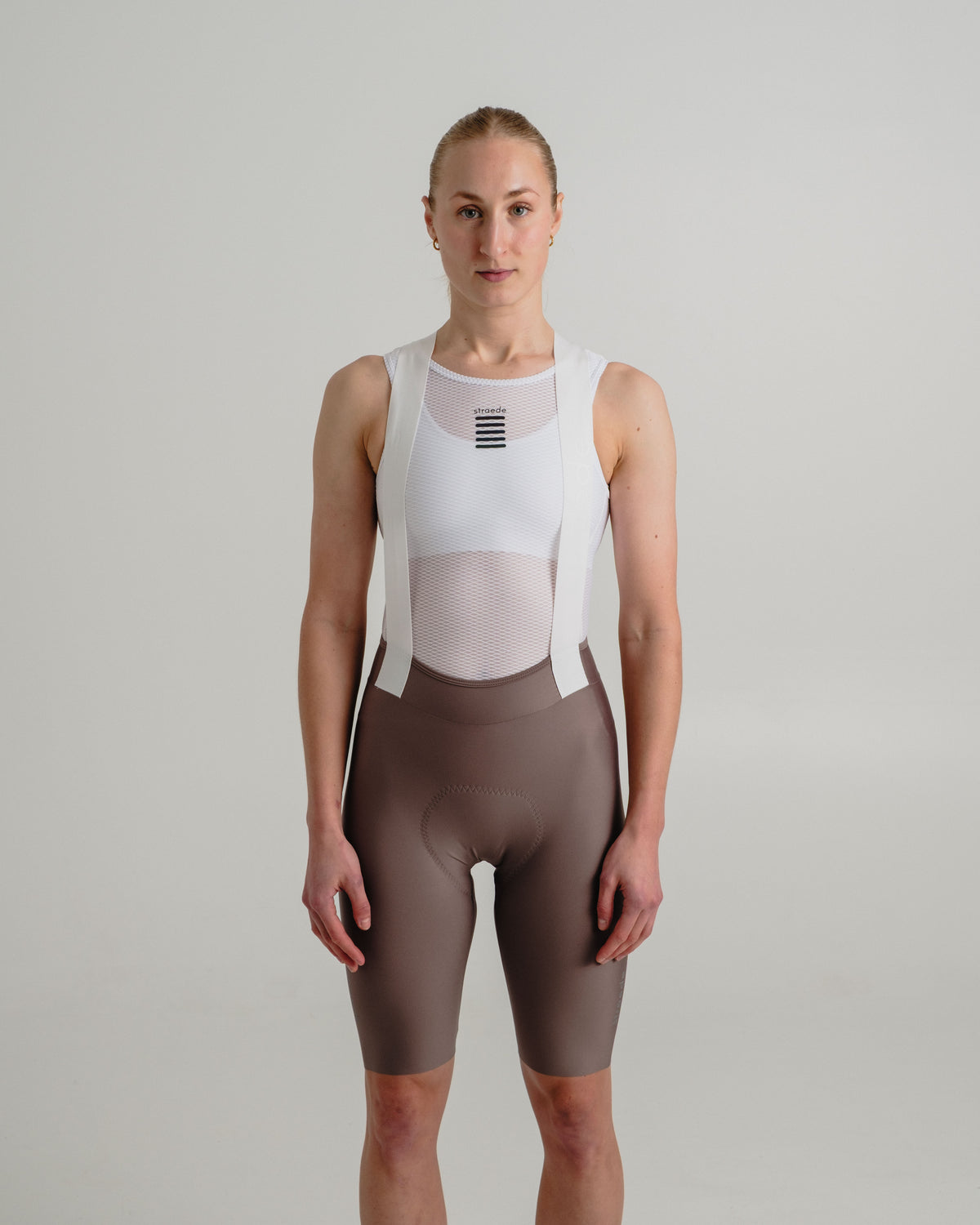
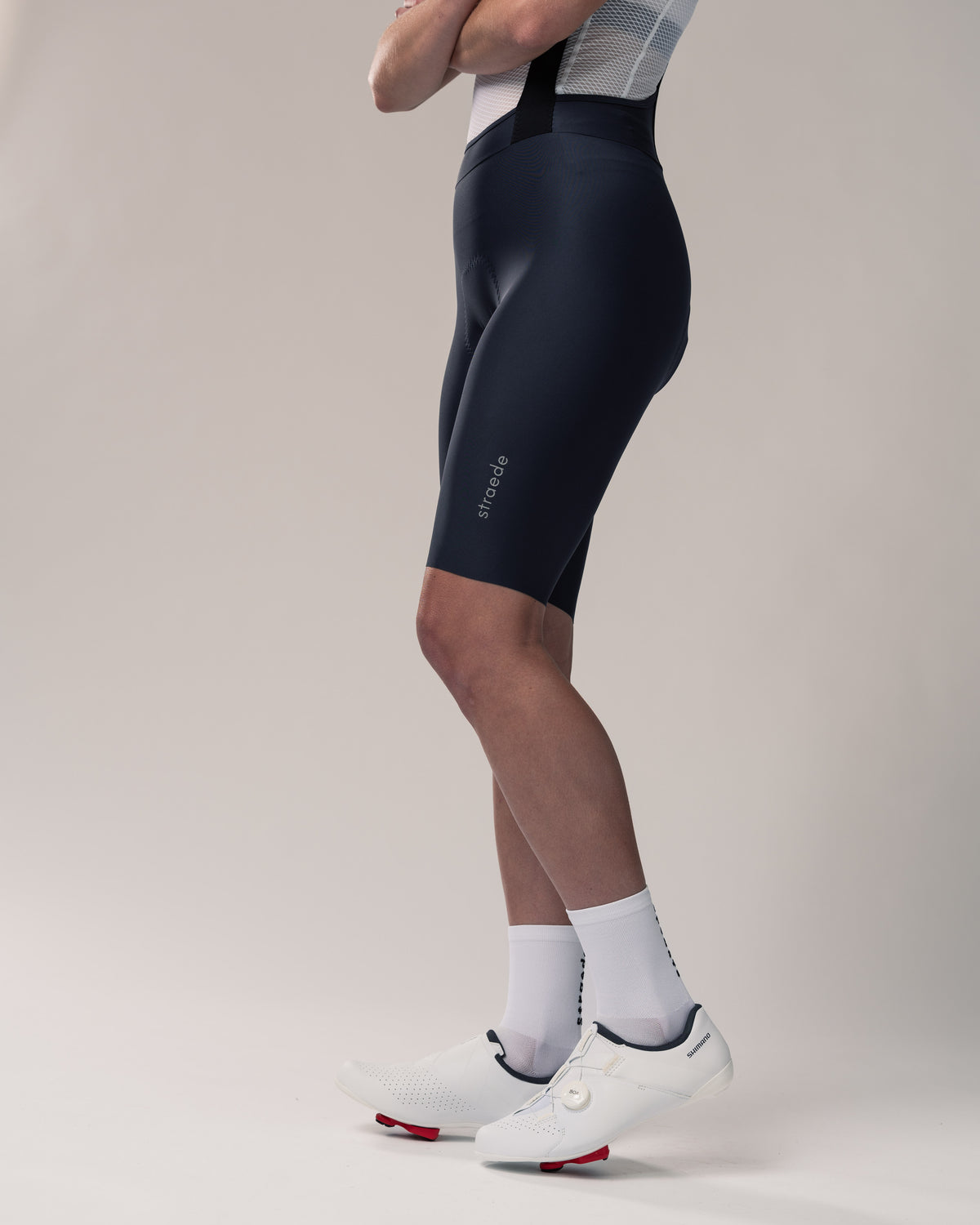
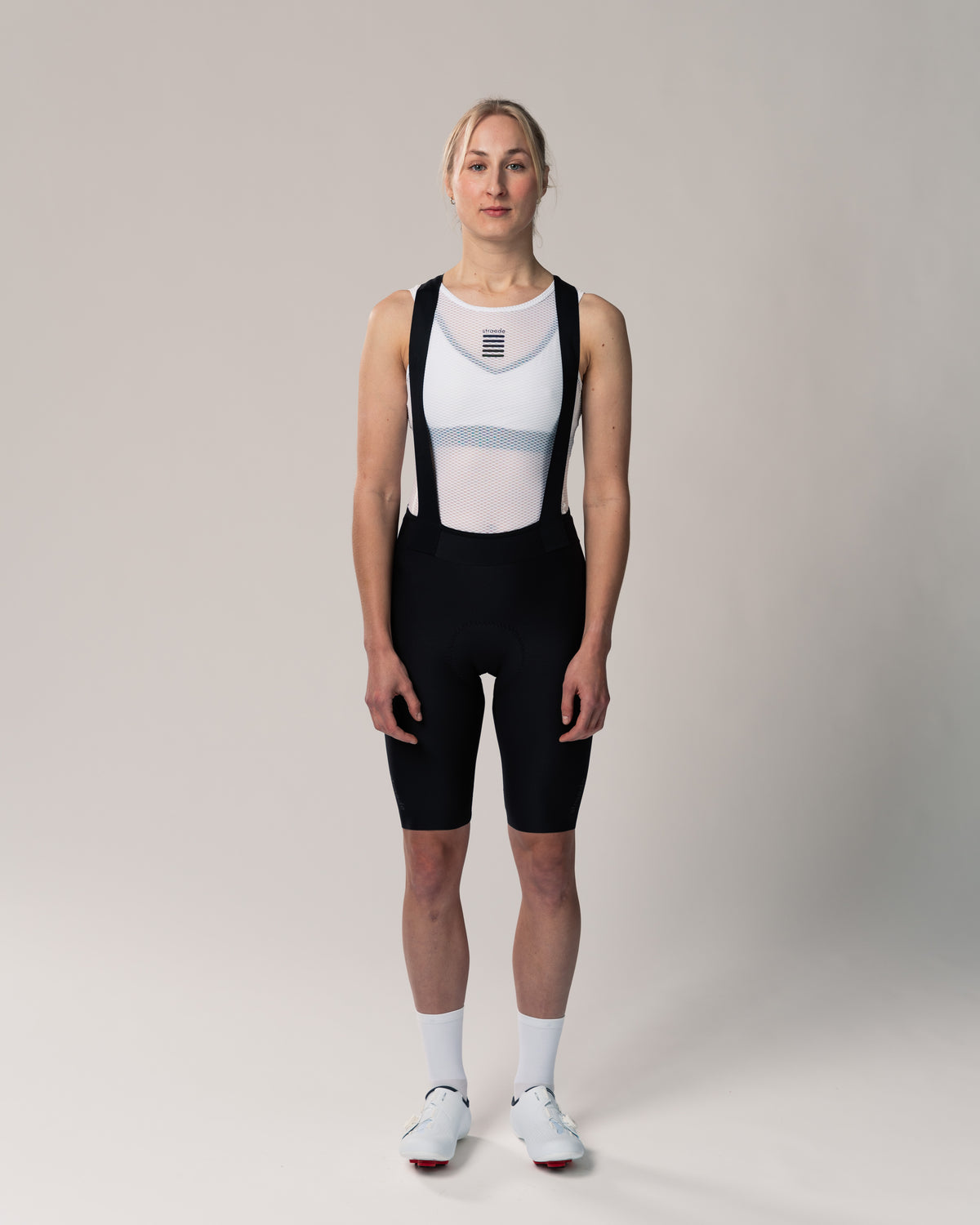
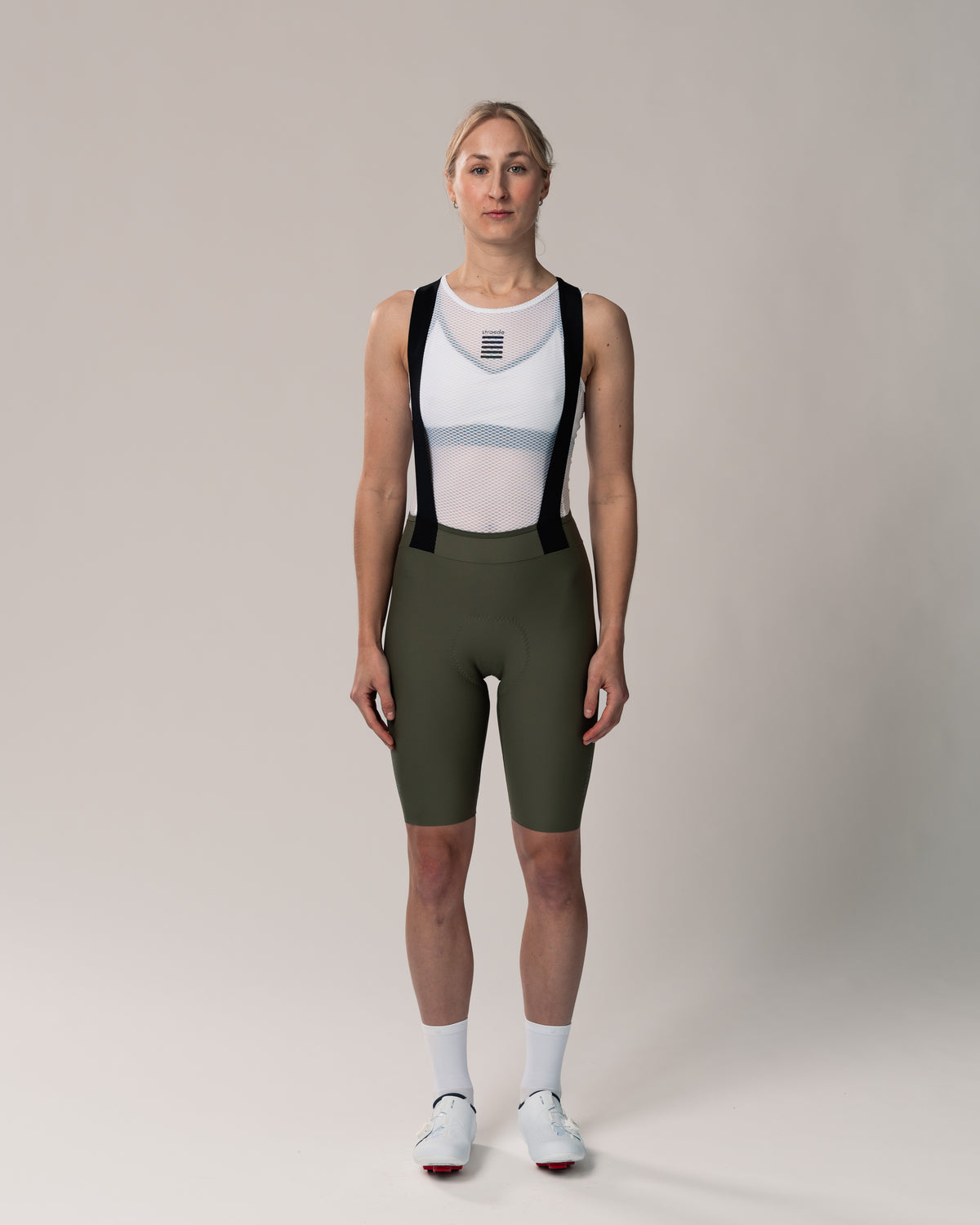
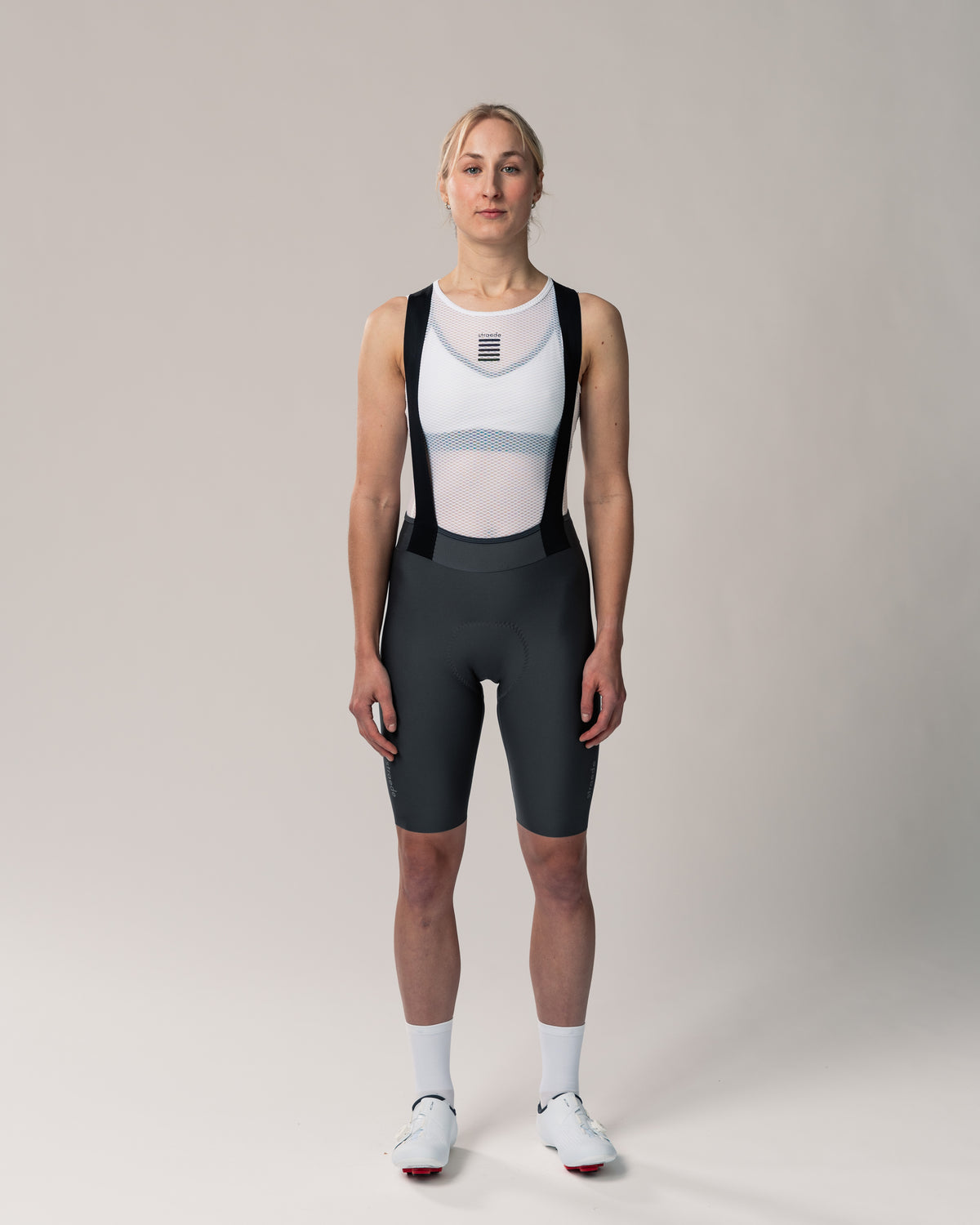
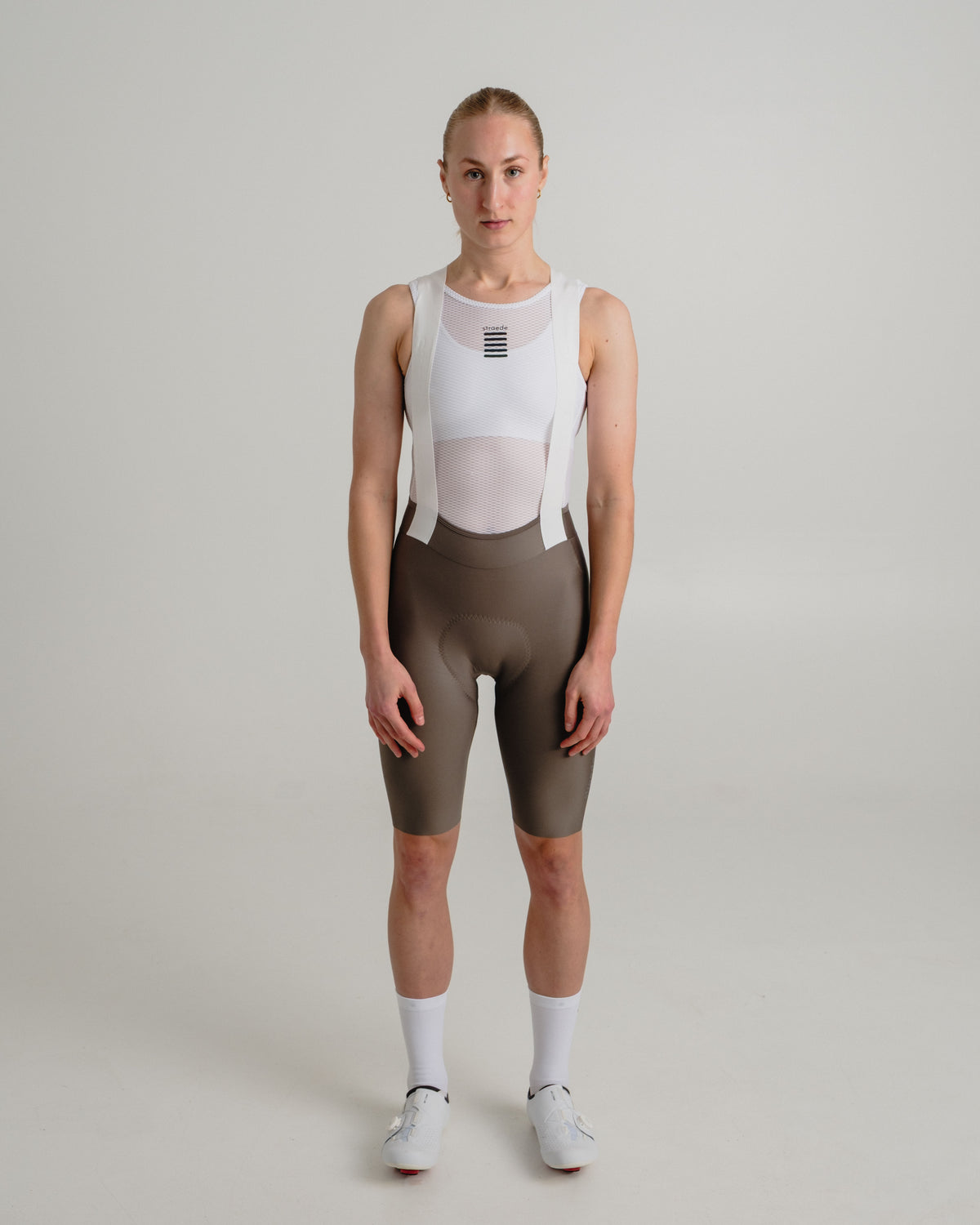
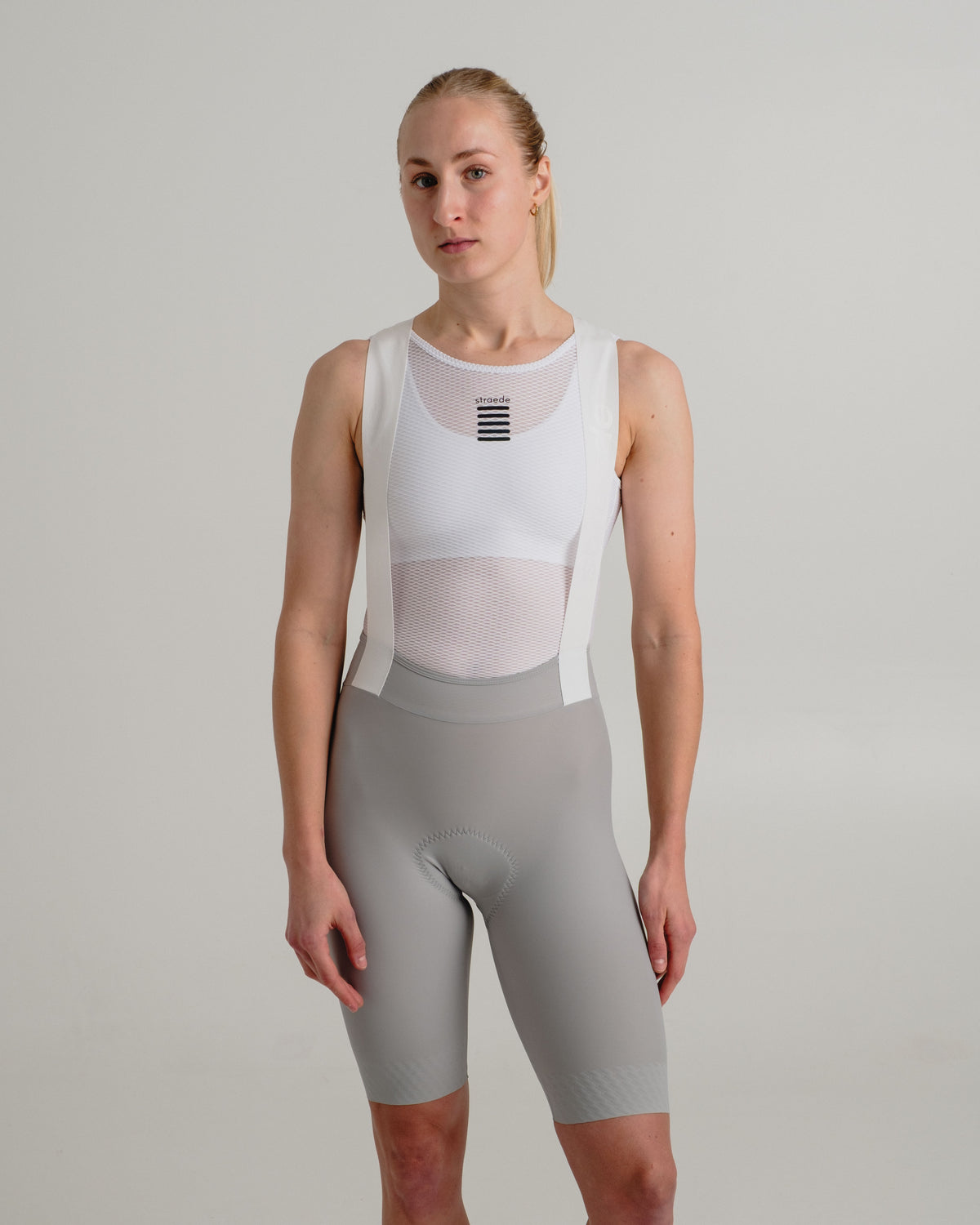
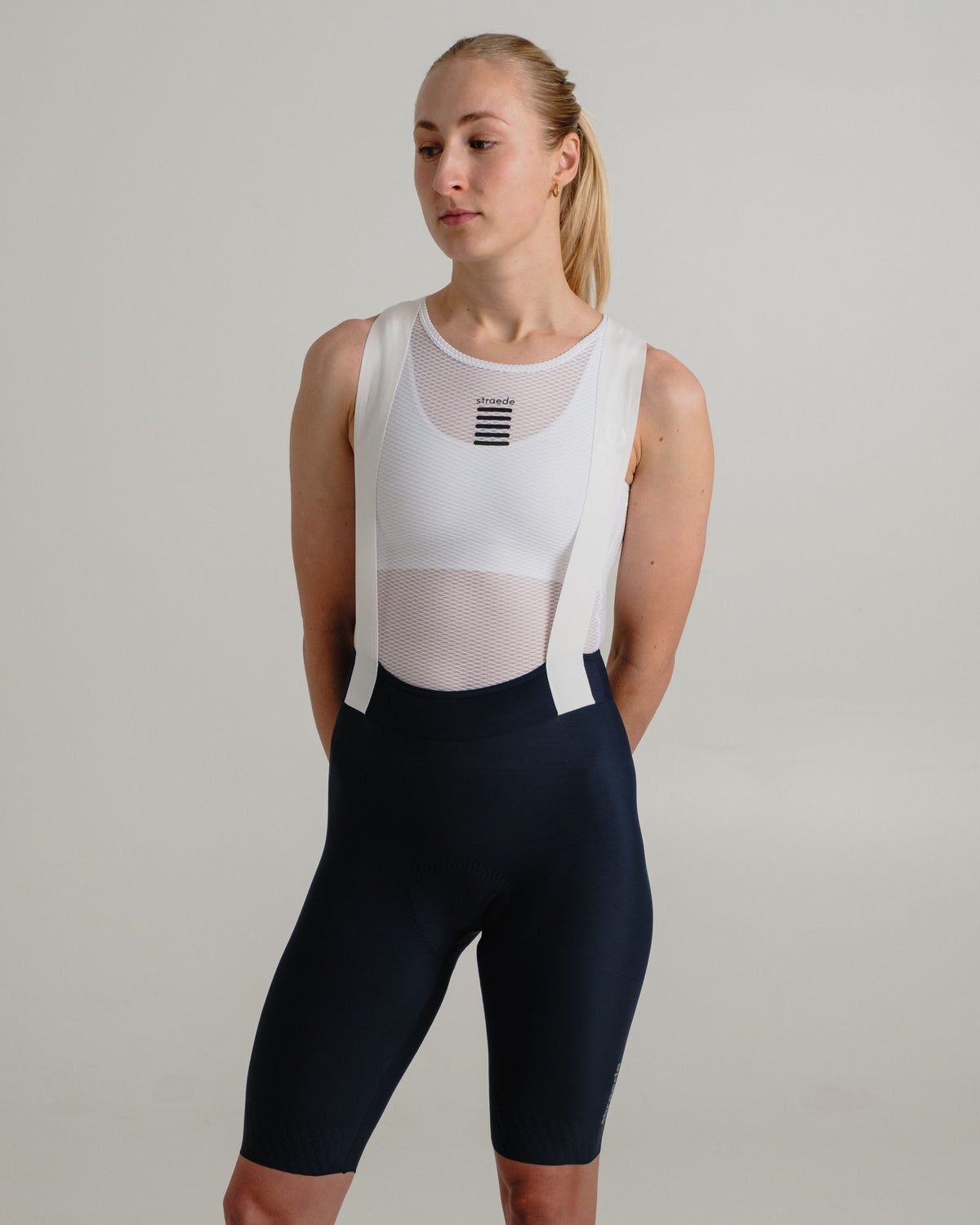
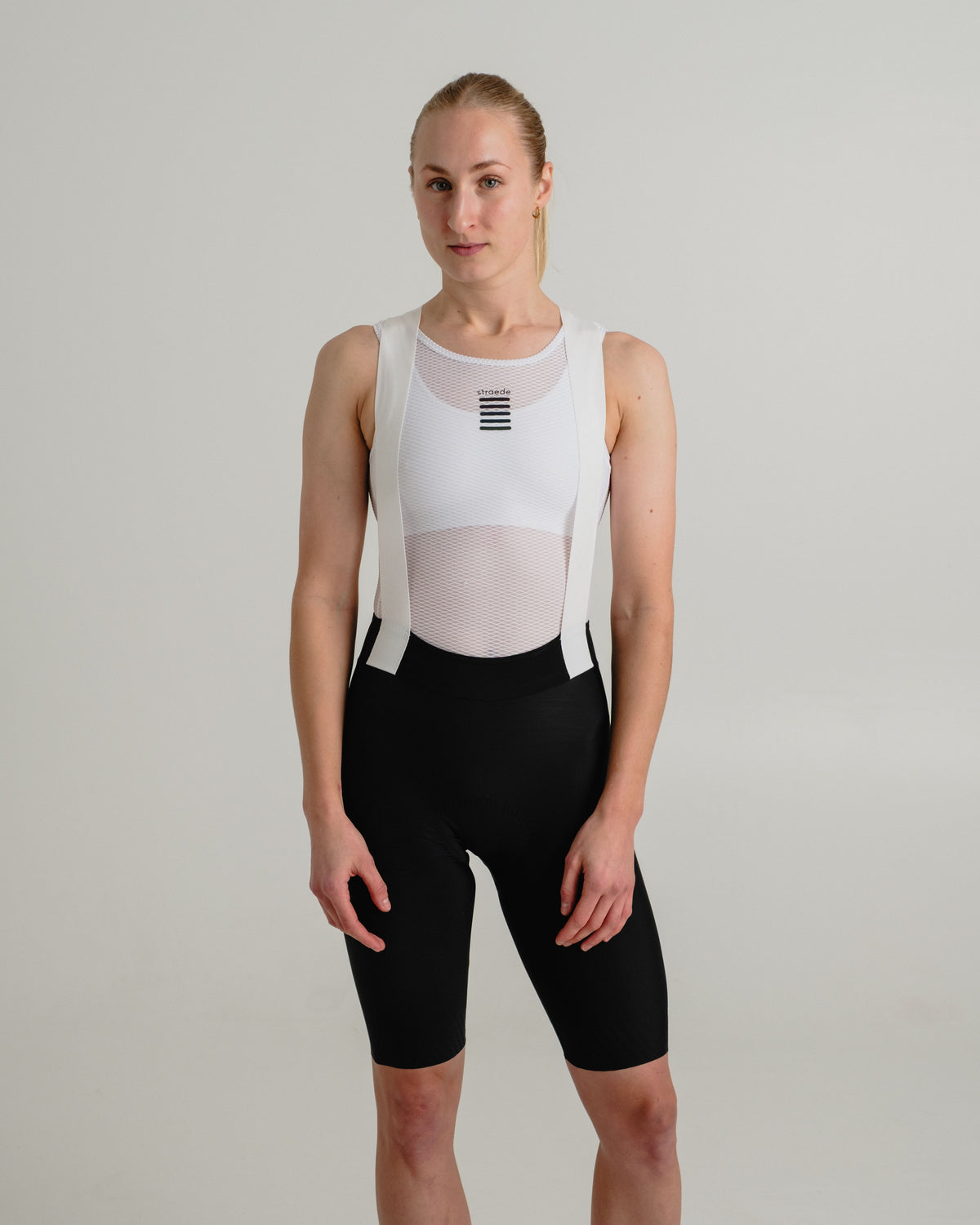
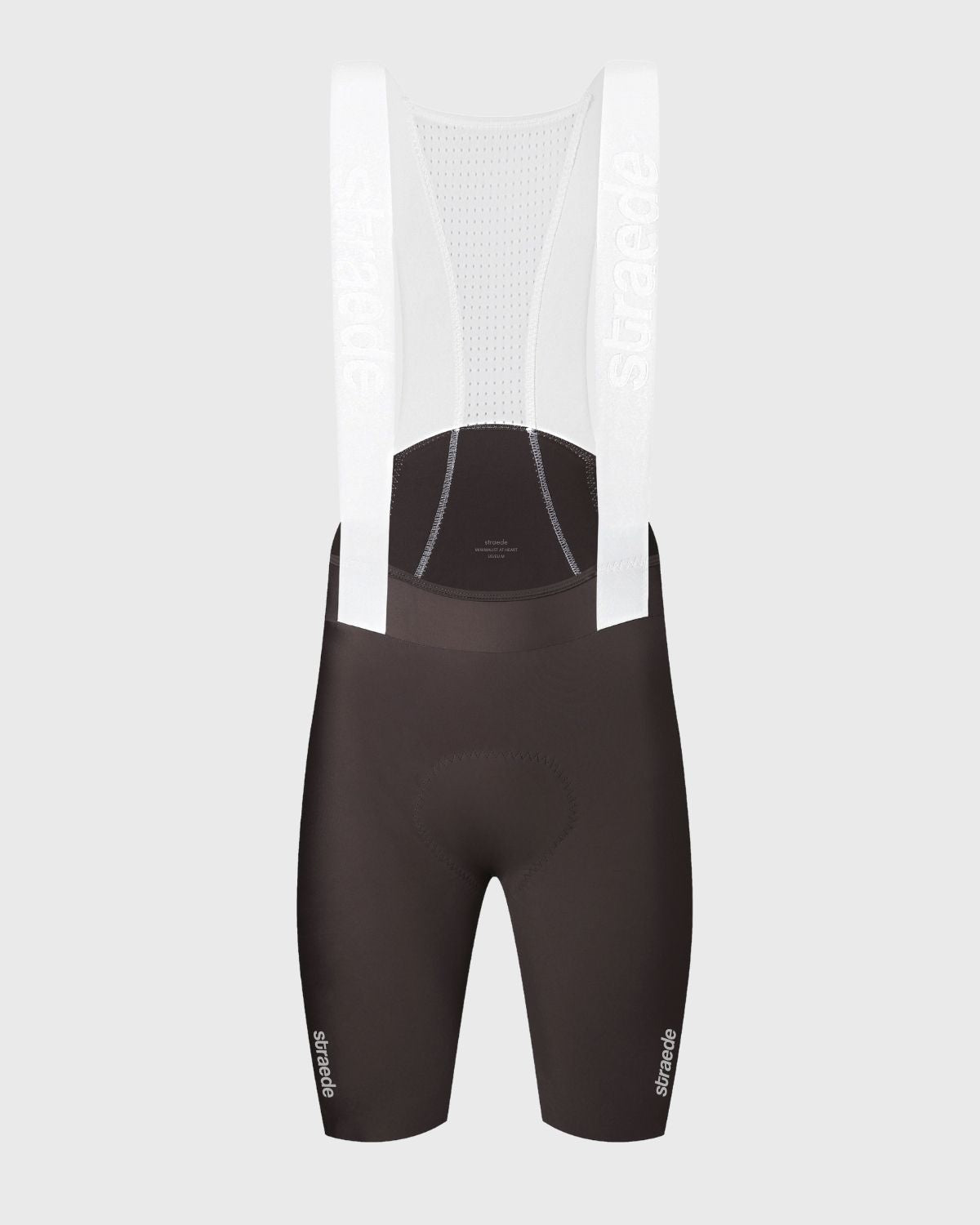
That's why high-quality cycling shorts are the absolute core of your gear. Regular sports shorts or baggy shorts quickly lead to chafing and pain. Good bib shorts for long road bike rides are ideally suited for indoor cycling. They feature a close-fitting cut, effective sweat absorption, and special, multi-layered padding. Pay particular attention to the seams: they must be flat so they don't chafe against your skin during the constant pedaling motion.
Indoor cycling clothing for the upper body: jersey, baselayer or "topless"?
Opinions differ on this. Many prefer to ride without a shirt at home. At first glance, this seems logical to avoid the heat. However, there's a practical problem: without a breeze, the sweat hardly evaporates and simply runs down the body. This leads to wet trousers and puddles on the mat.
A lightweight baselayer or undershirt made of mesh material can work wonders here. This thin layer of functional fibers offers several advantages:
It absorbs moisture from the skin and spreads it over a large area.
Supports evaporation and thus cooling
Ensures the necessary breathability
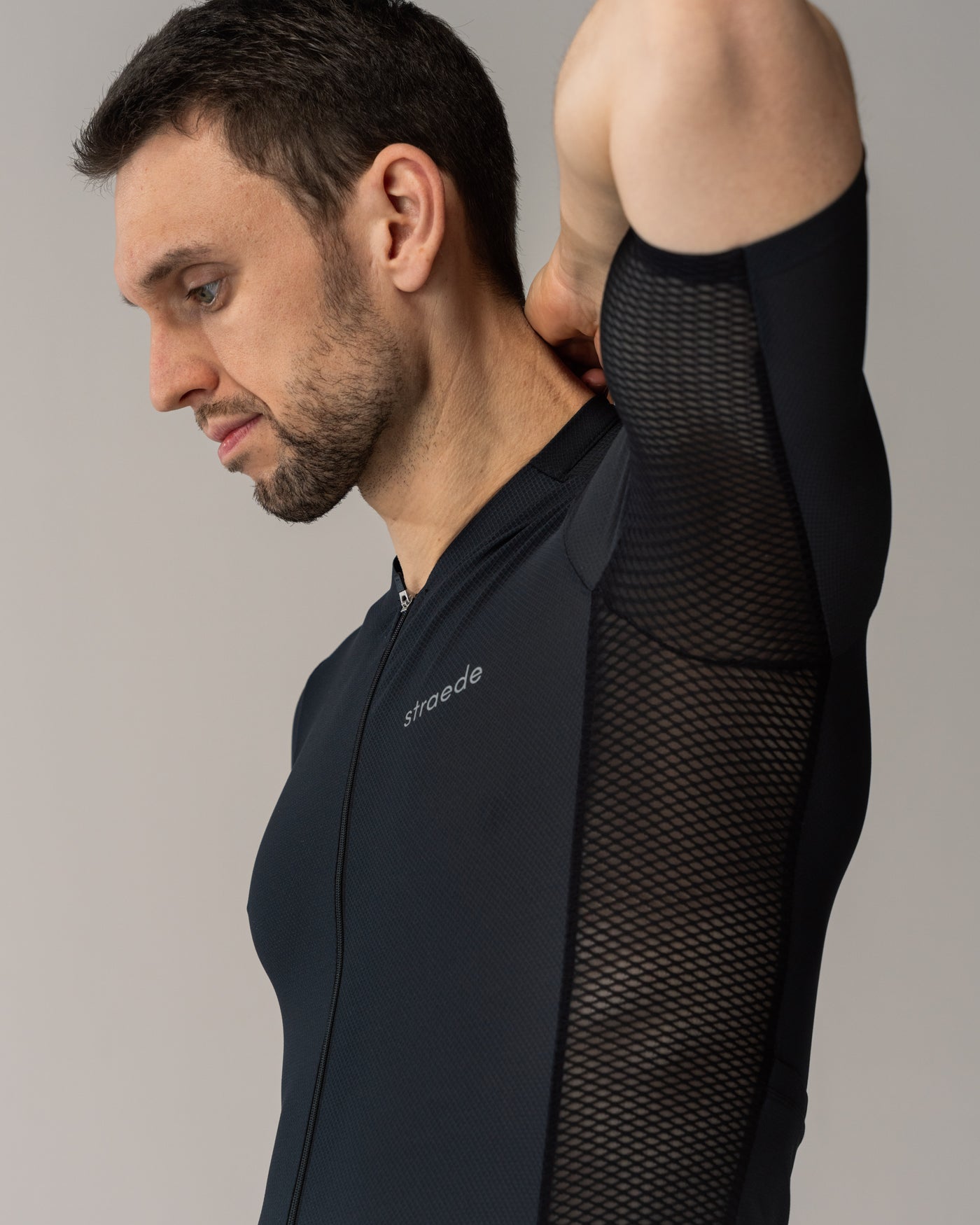
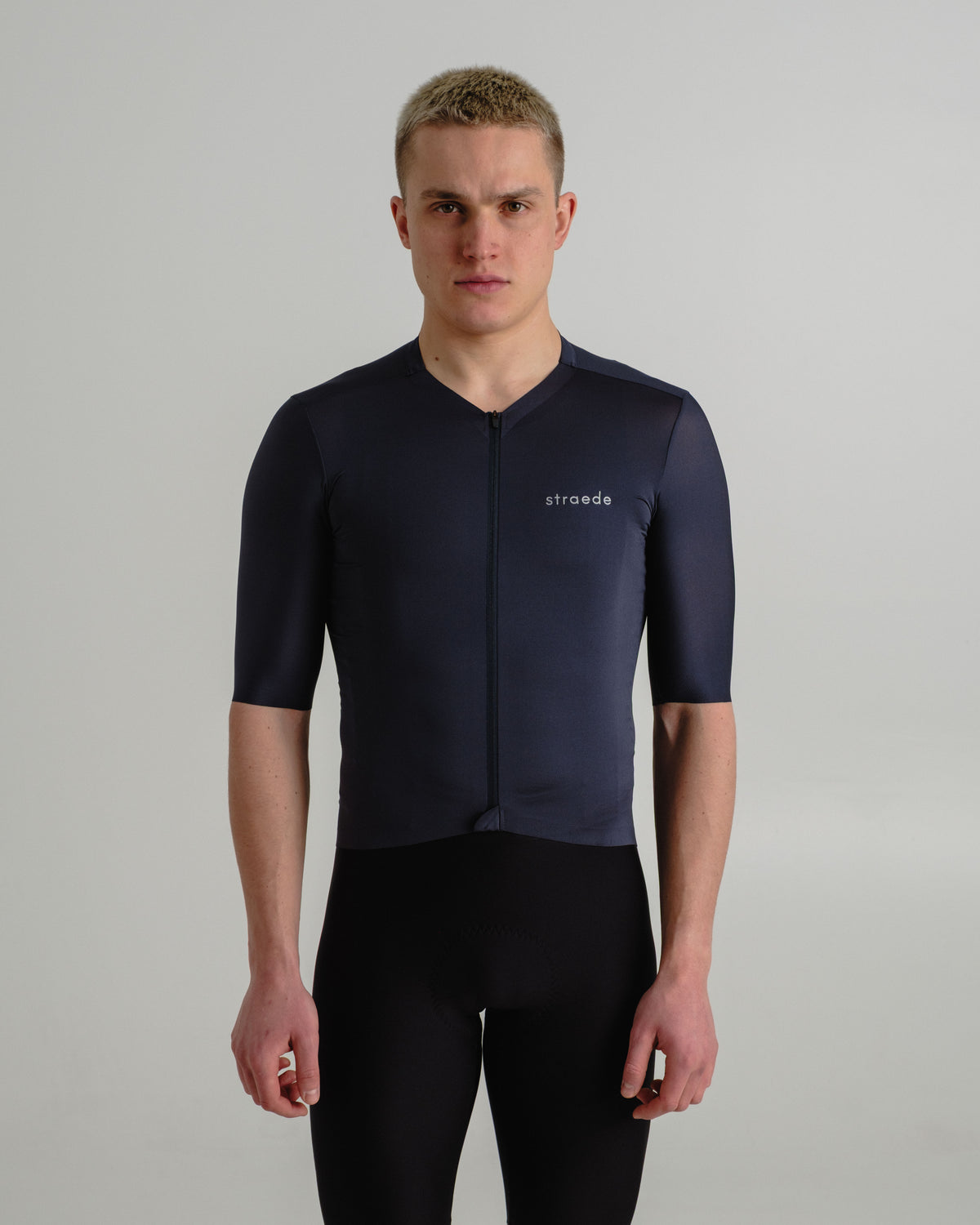
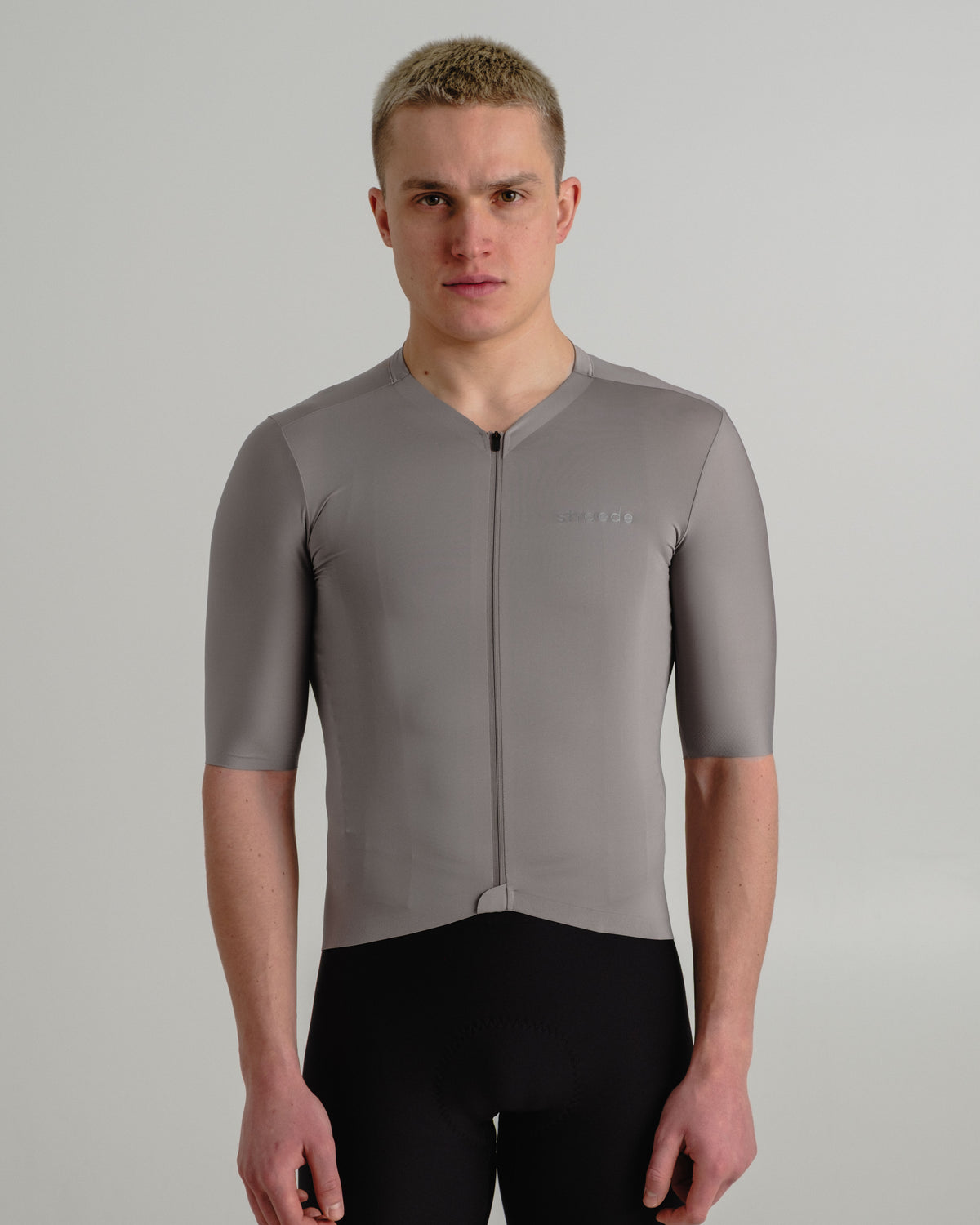
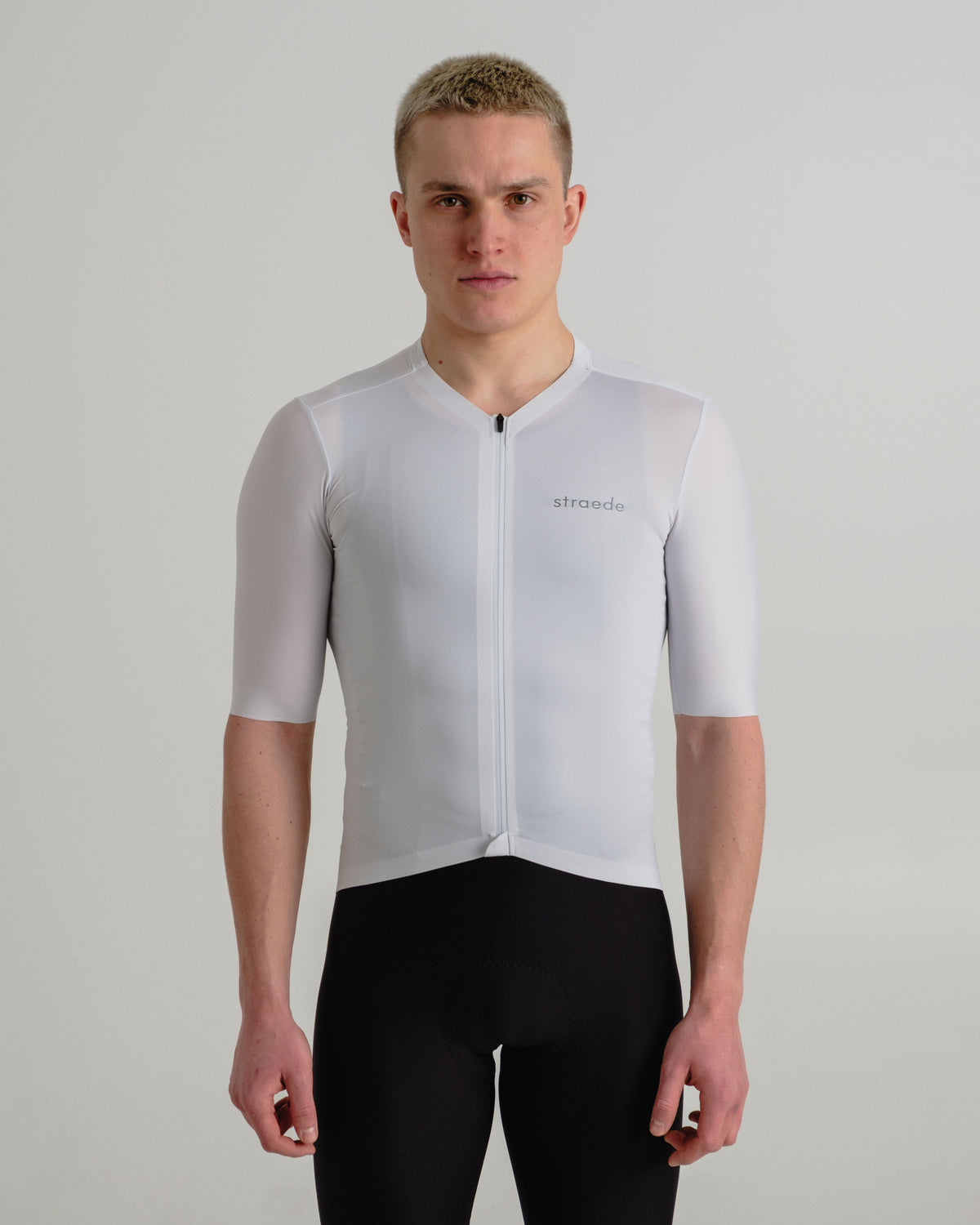
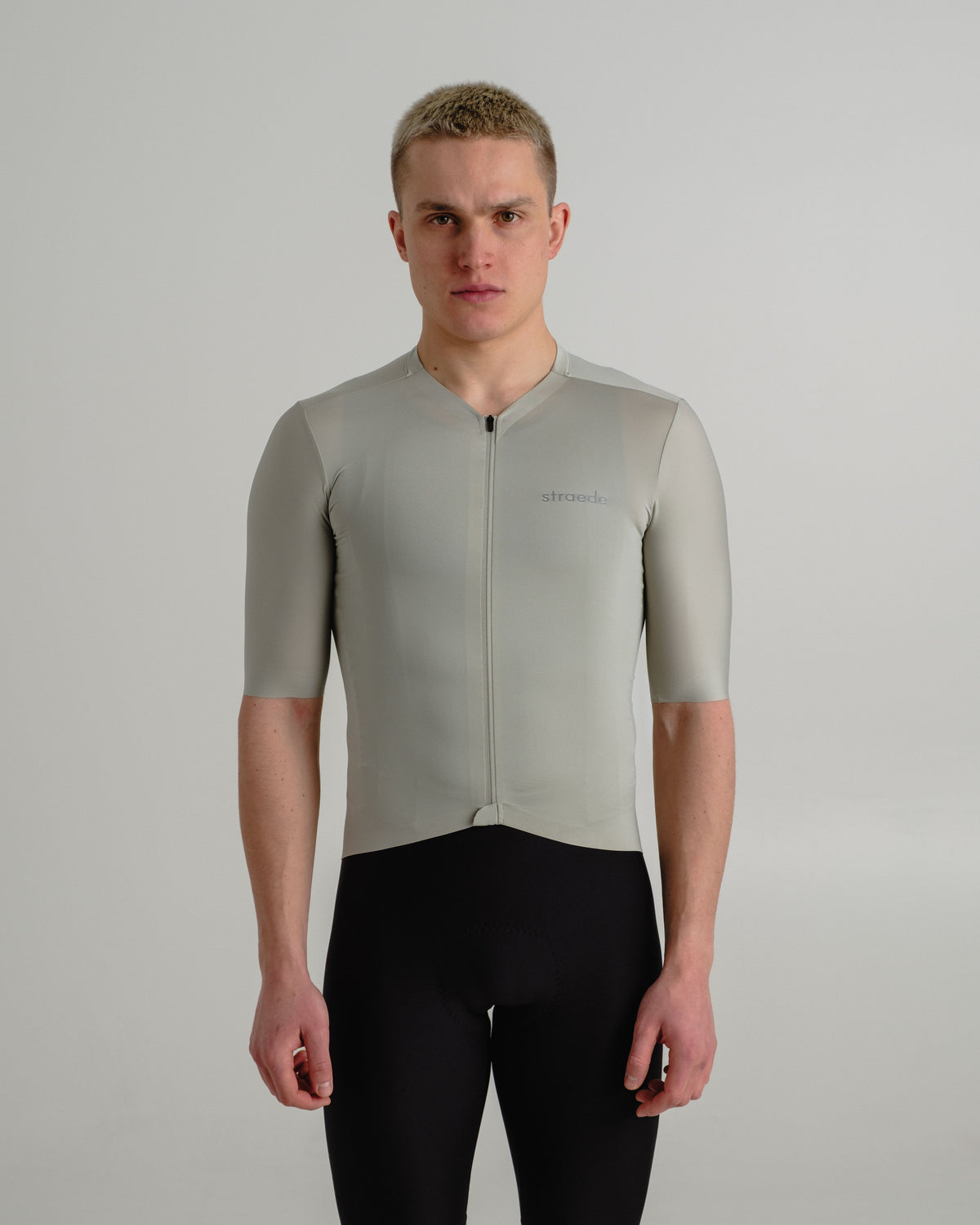
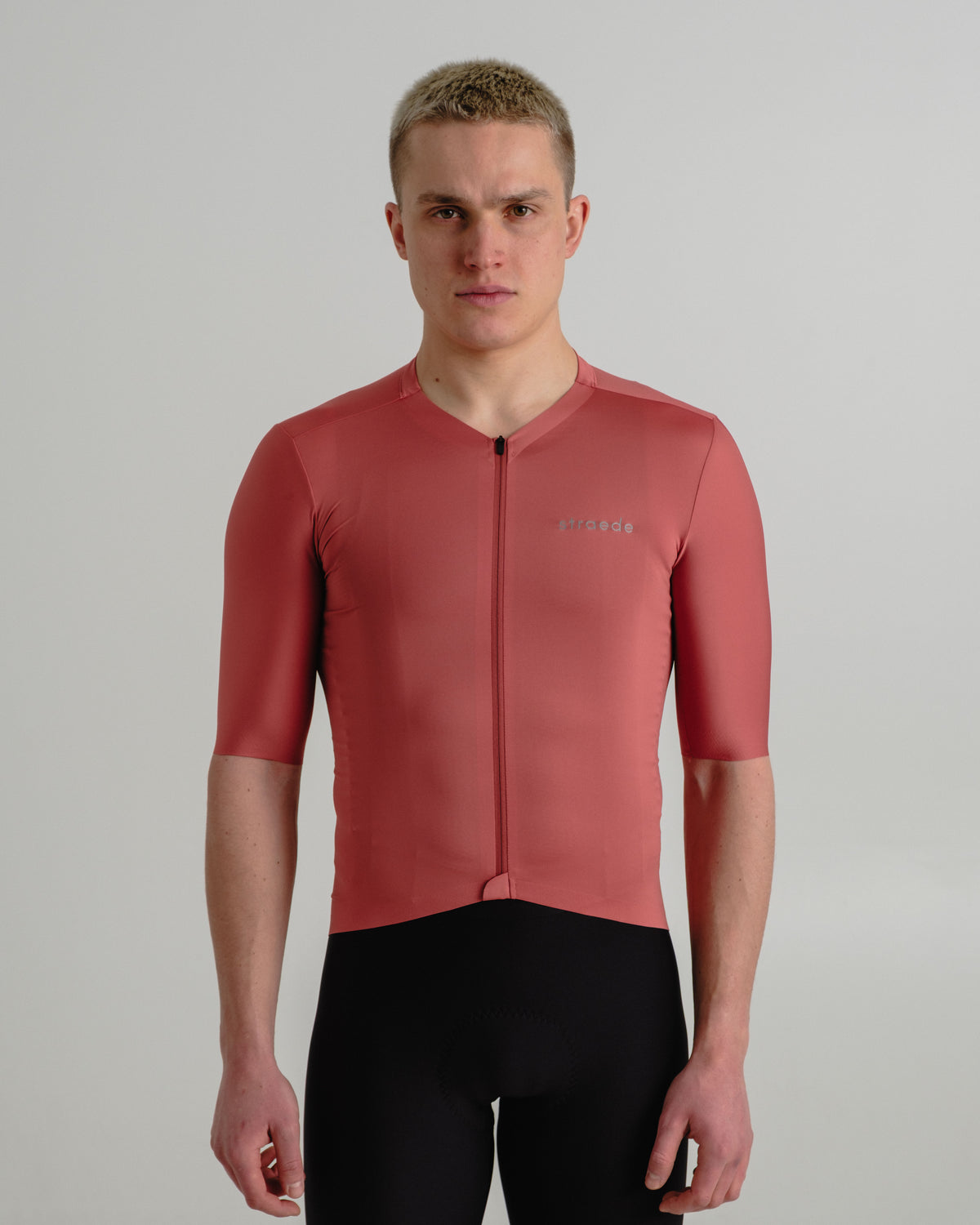
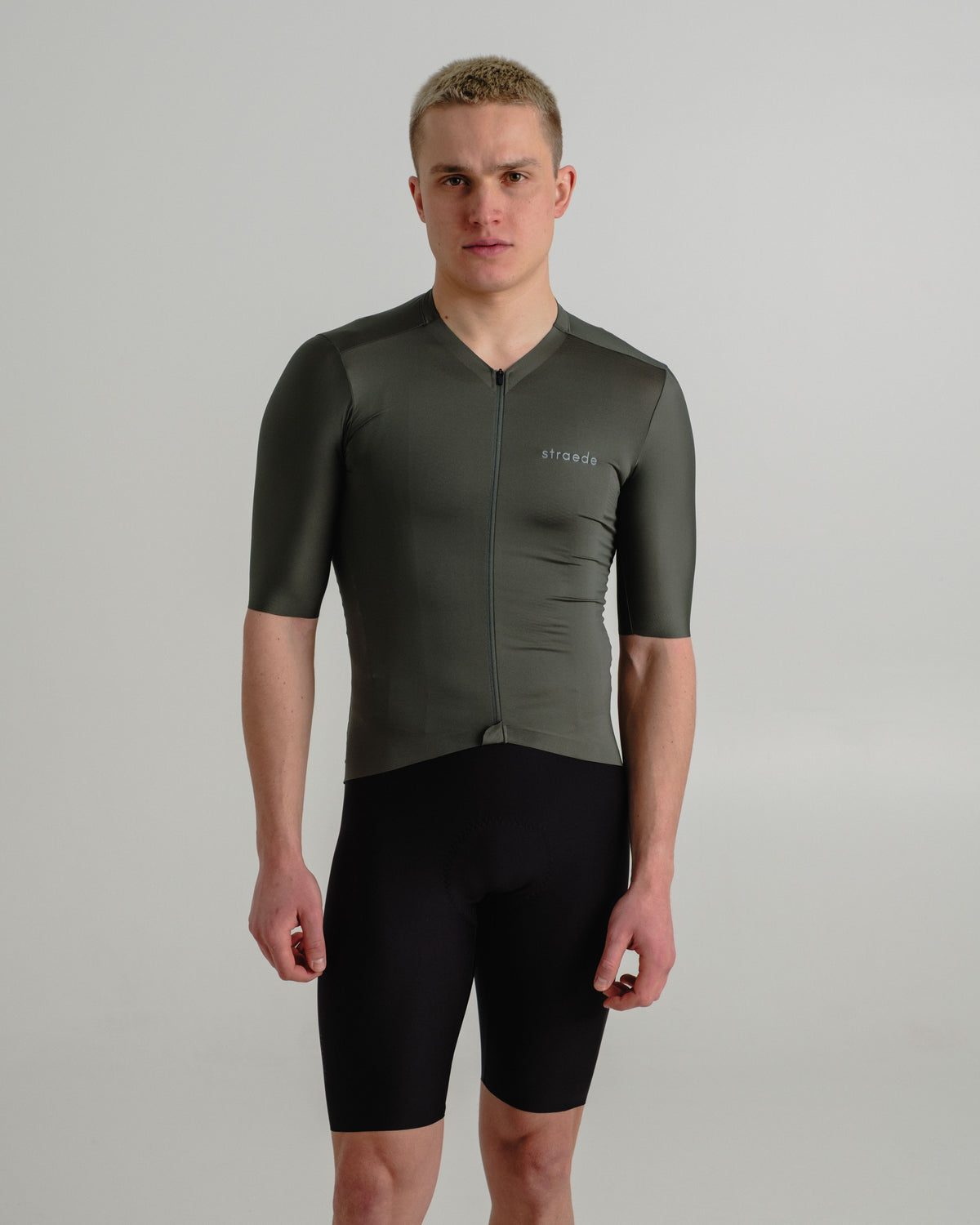
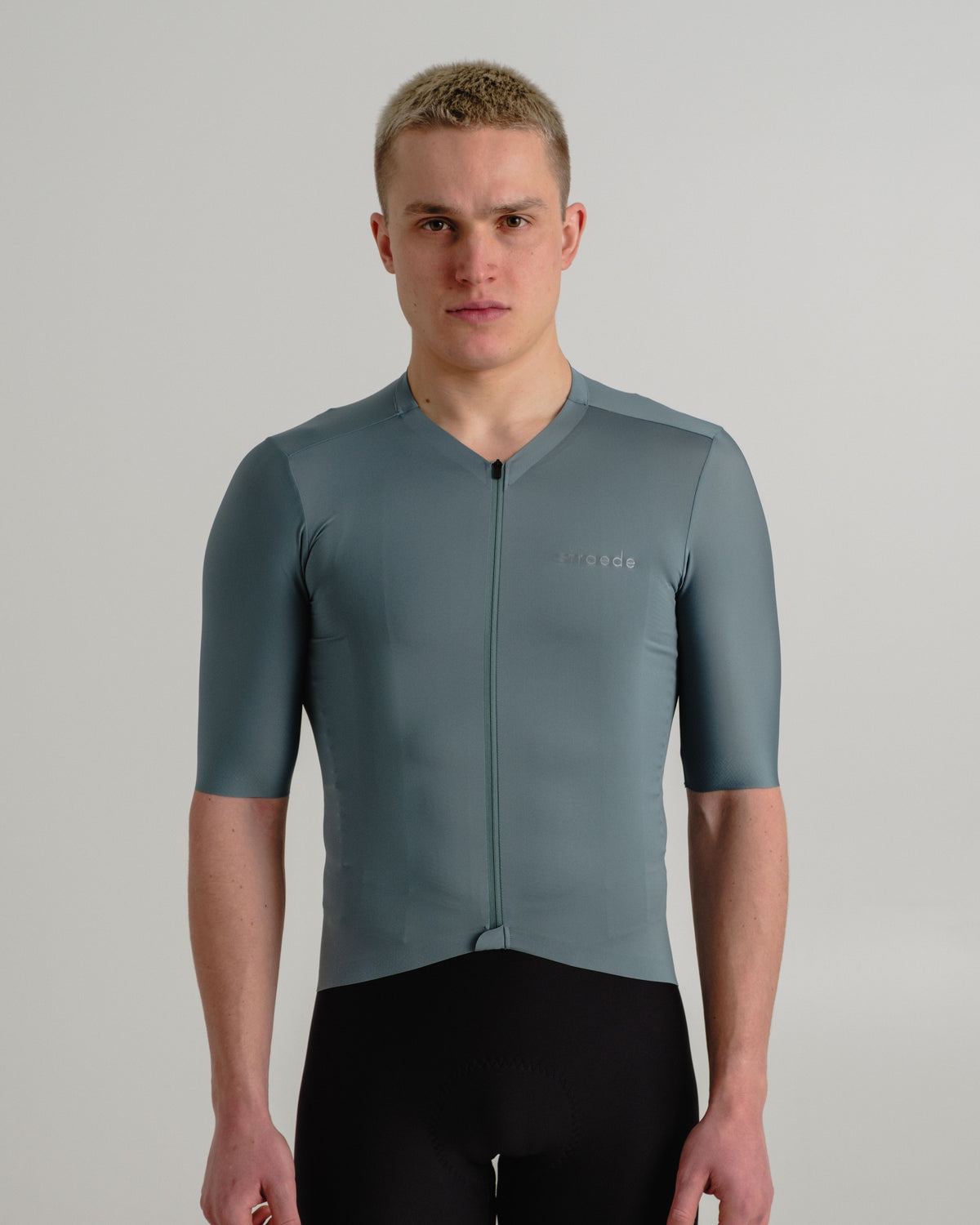
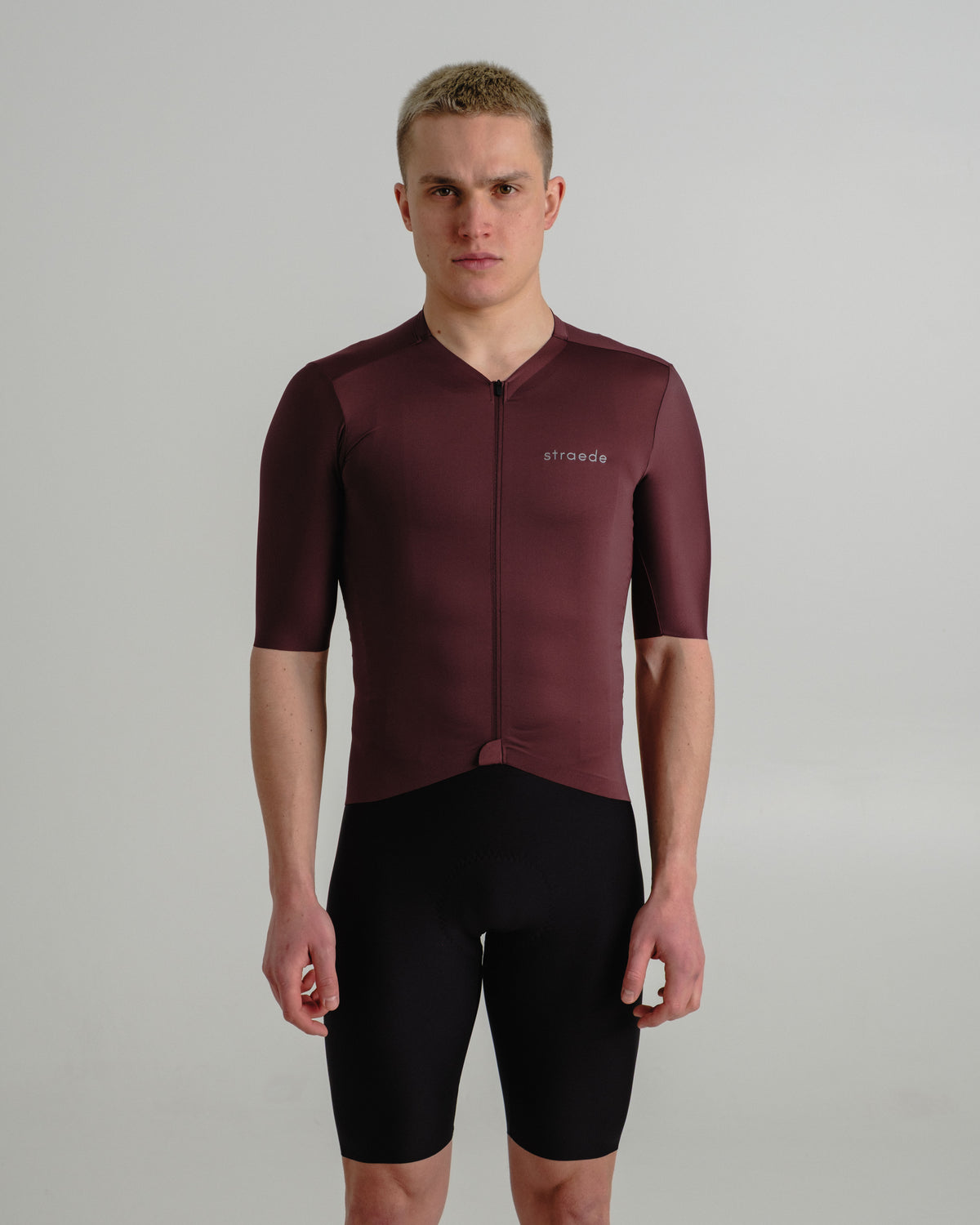
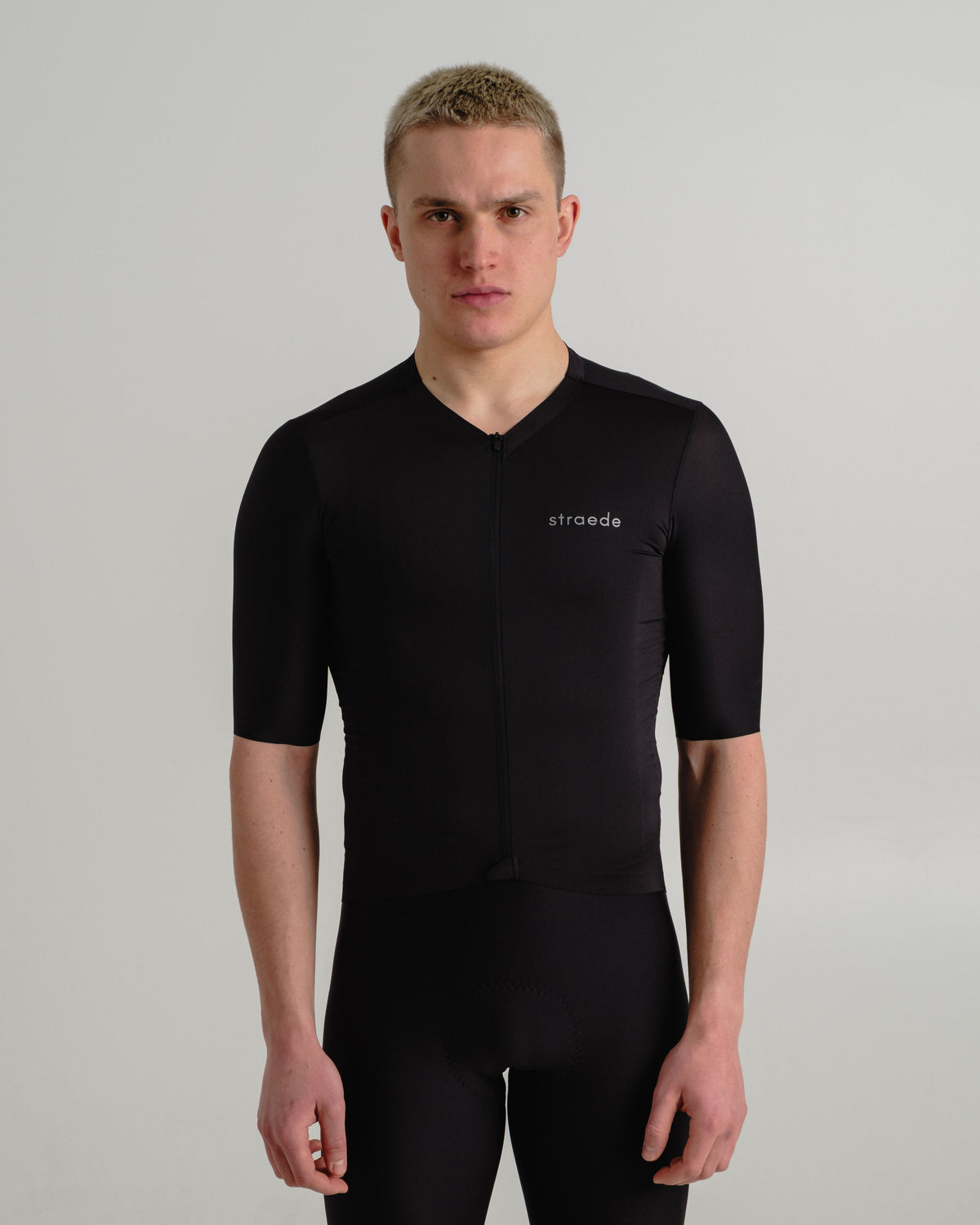
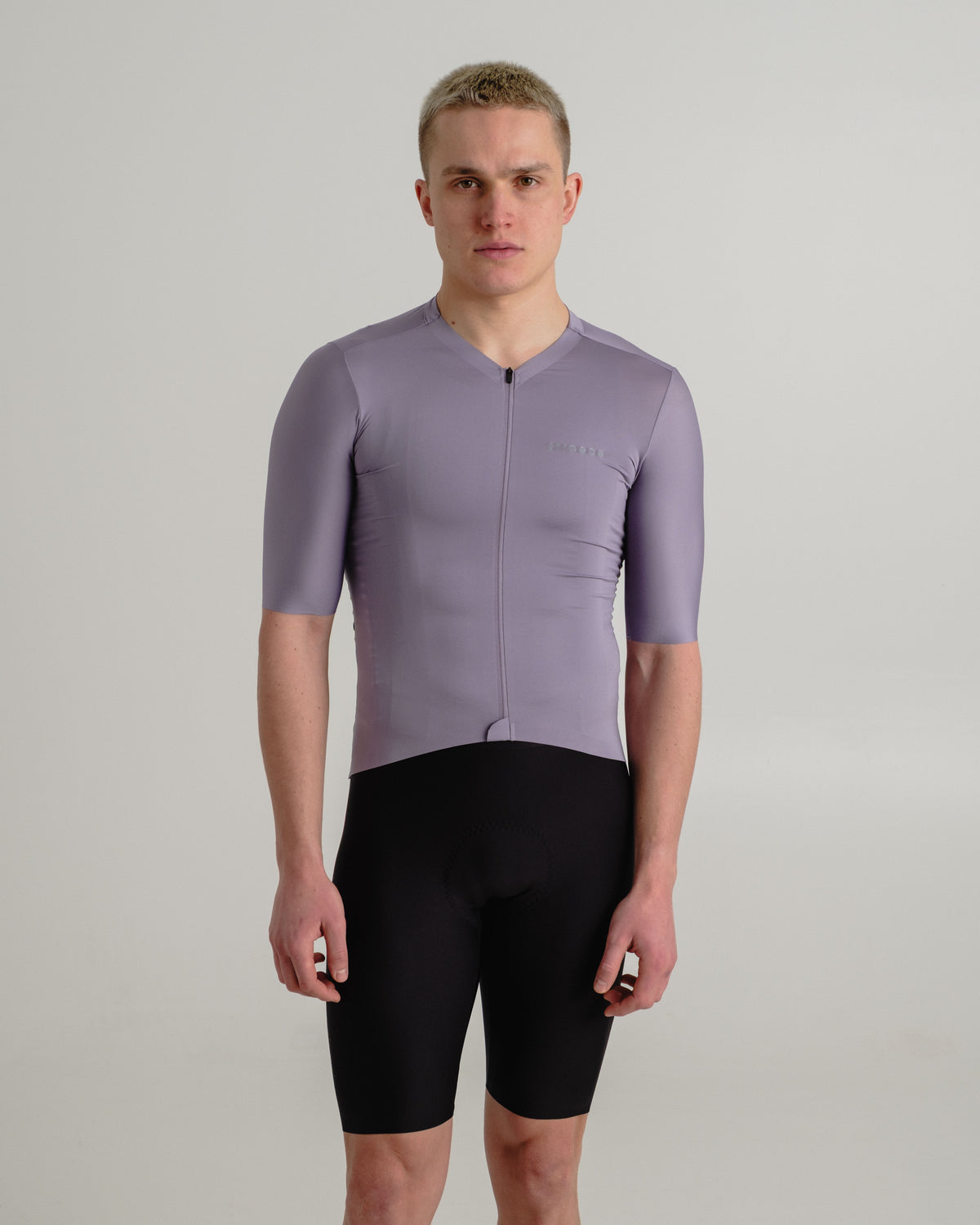
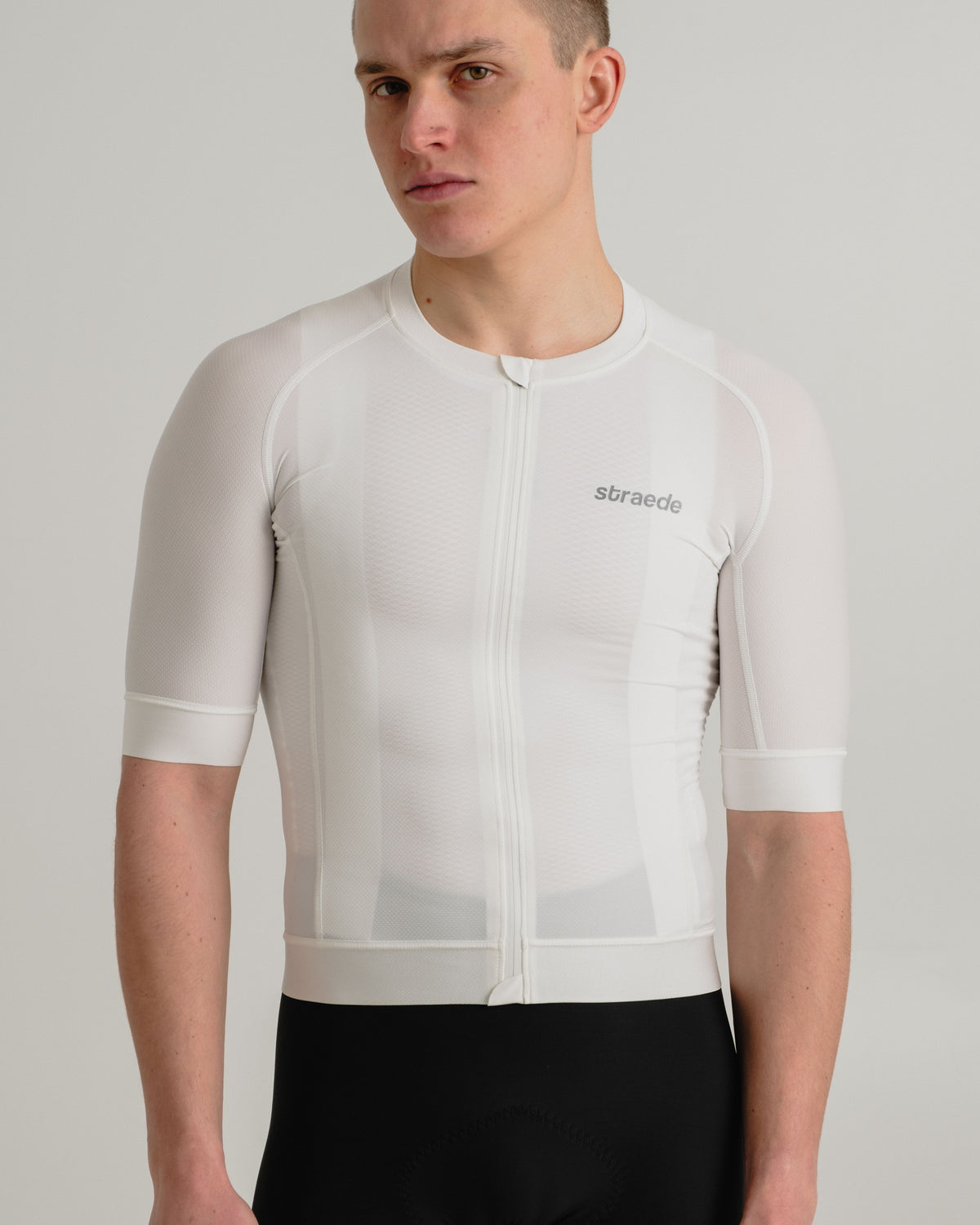
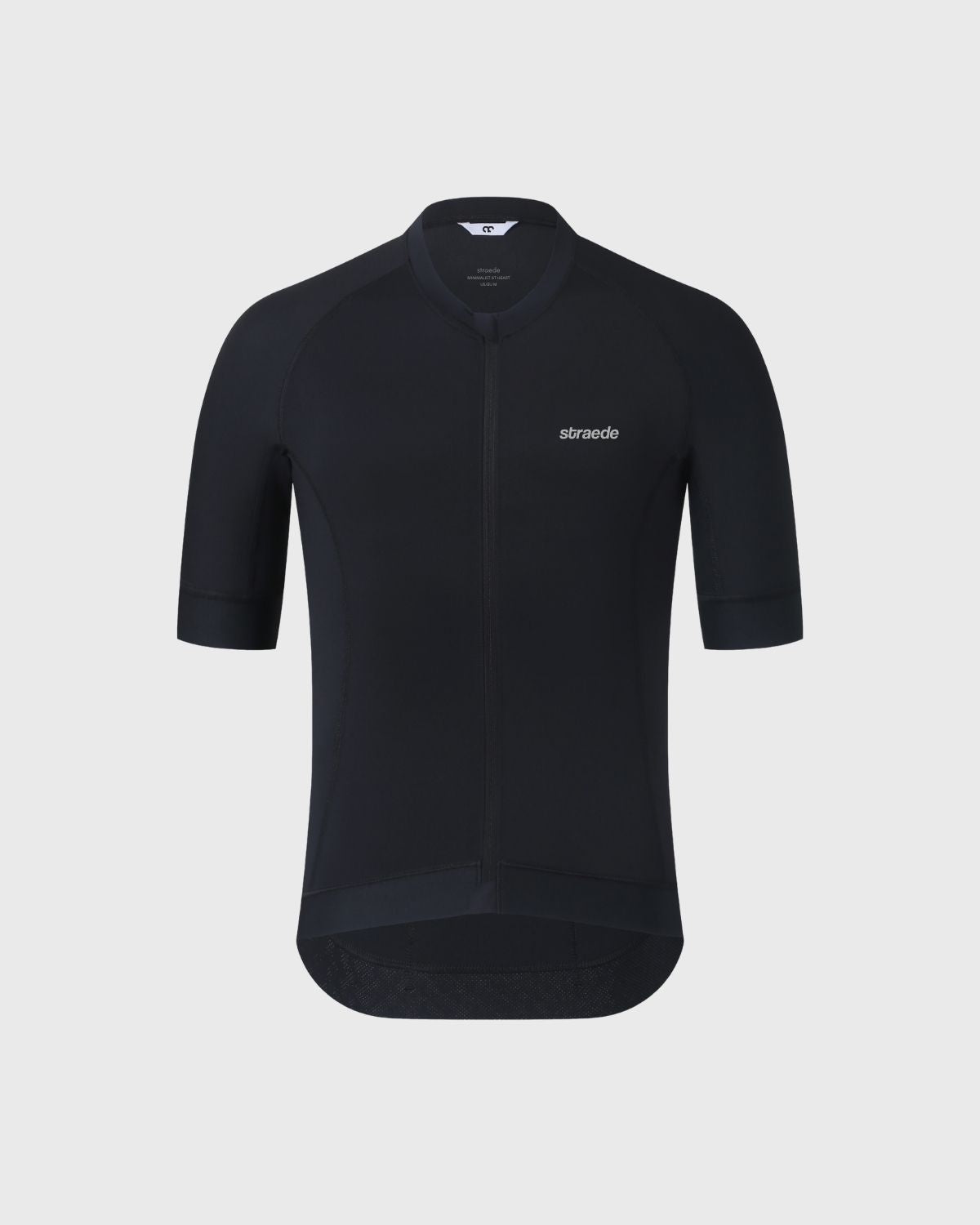
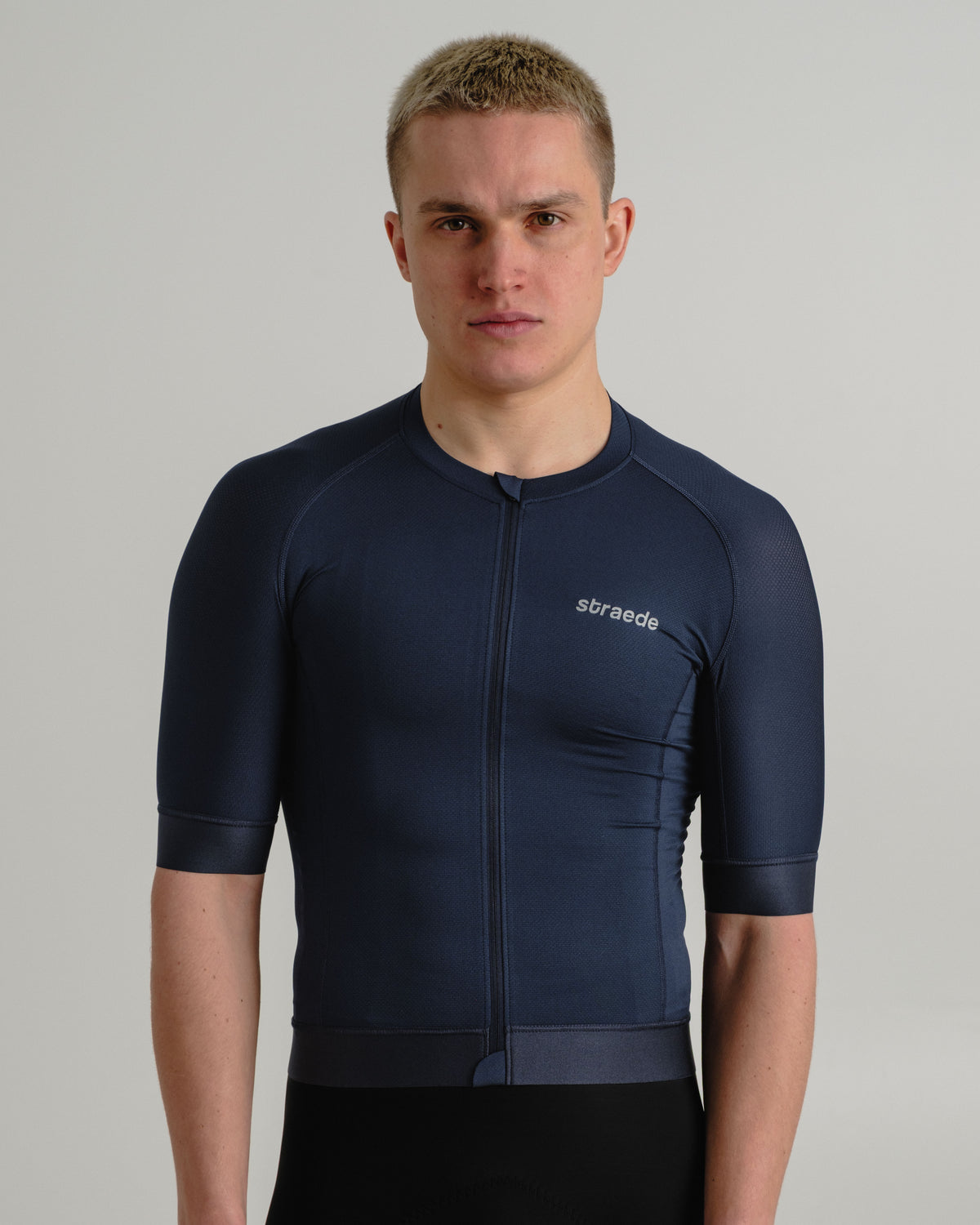
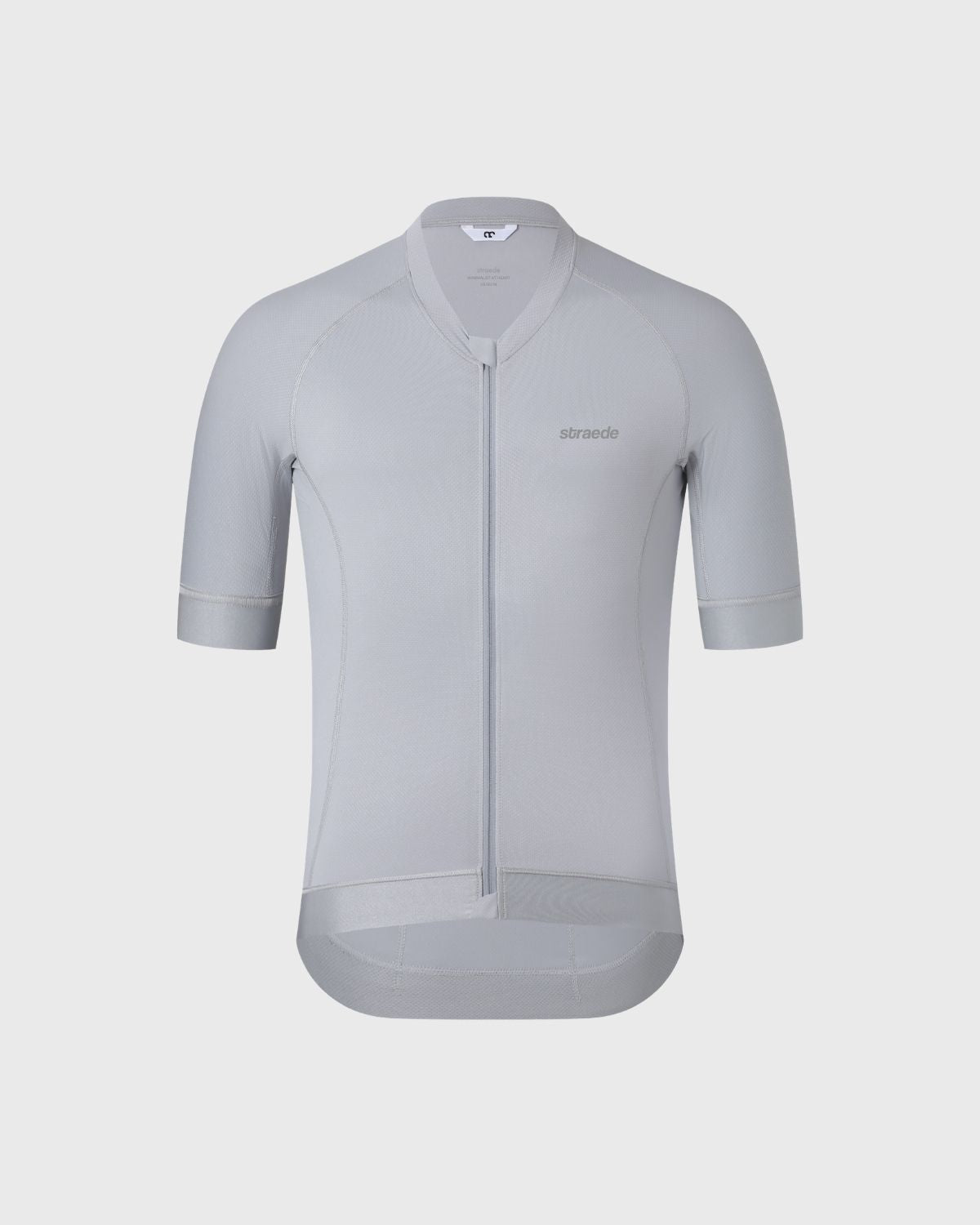
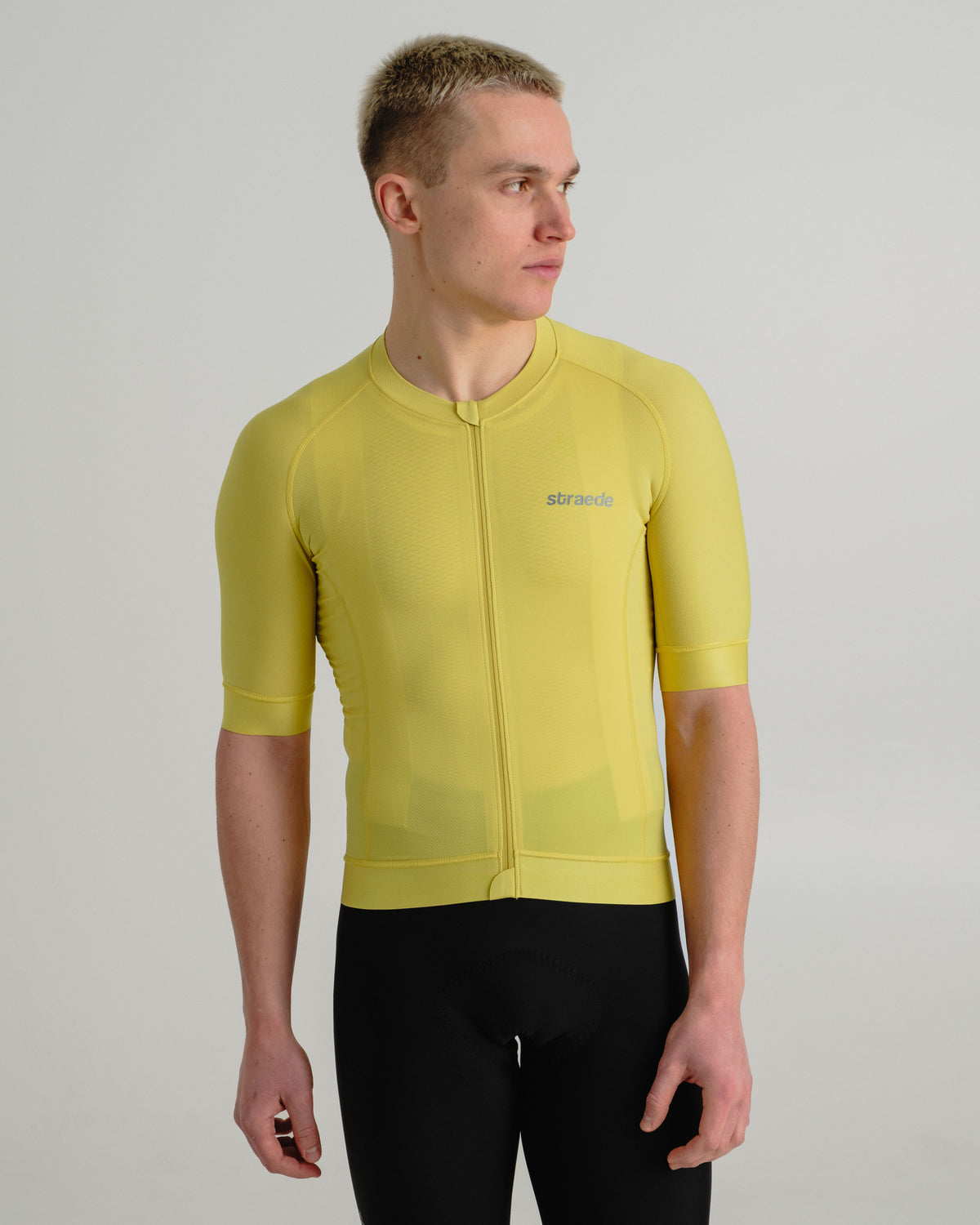
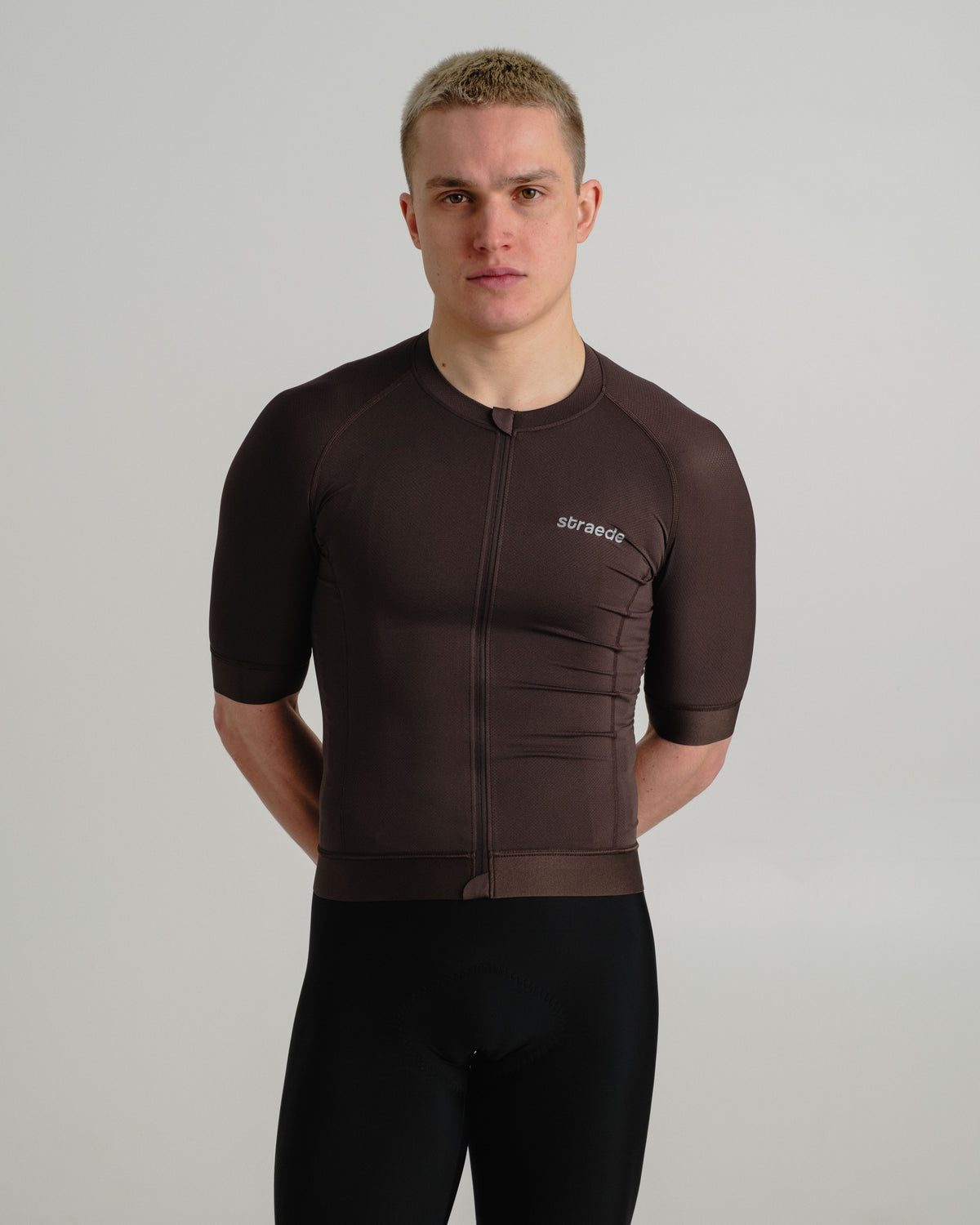
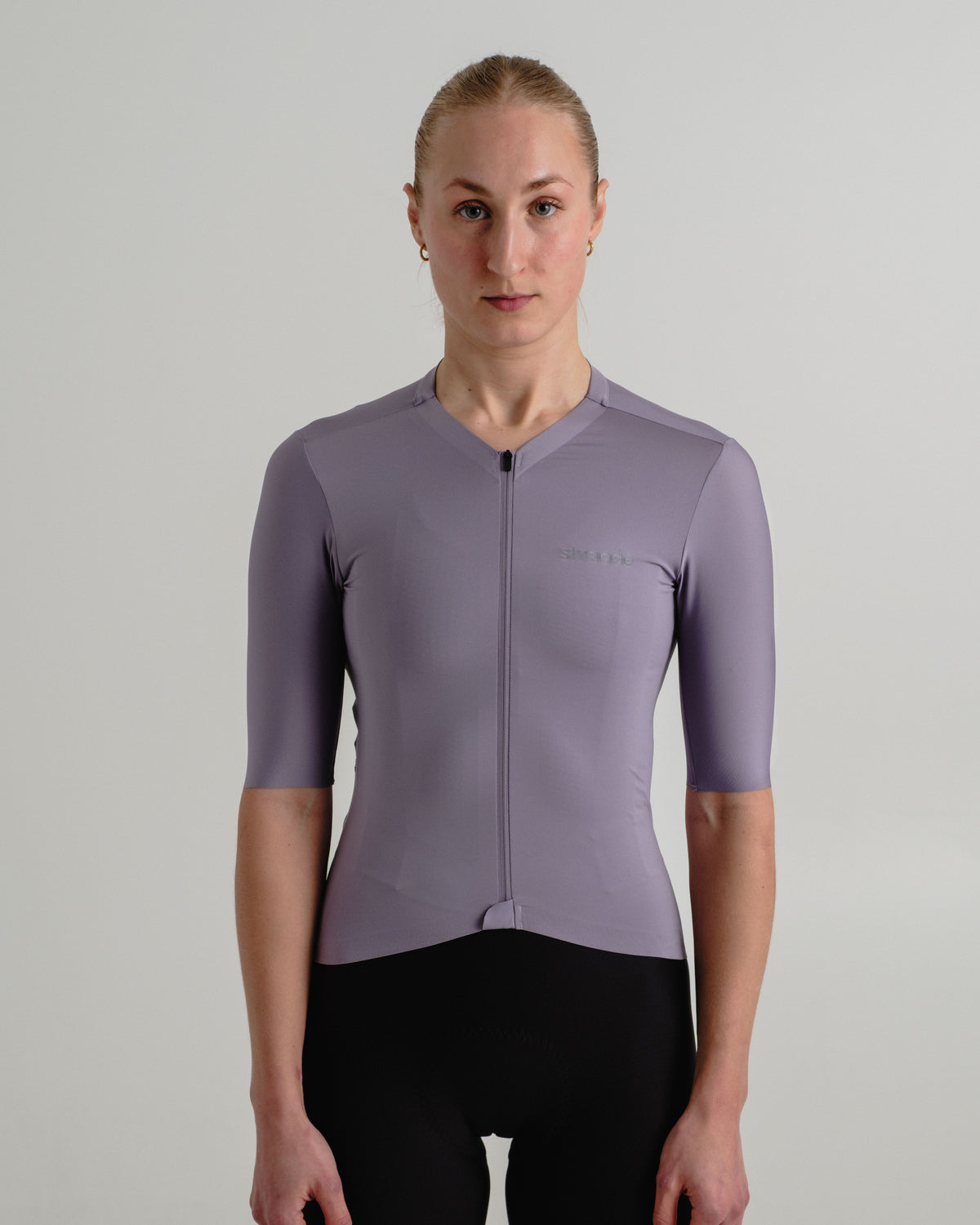
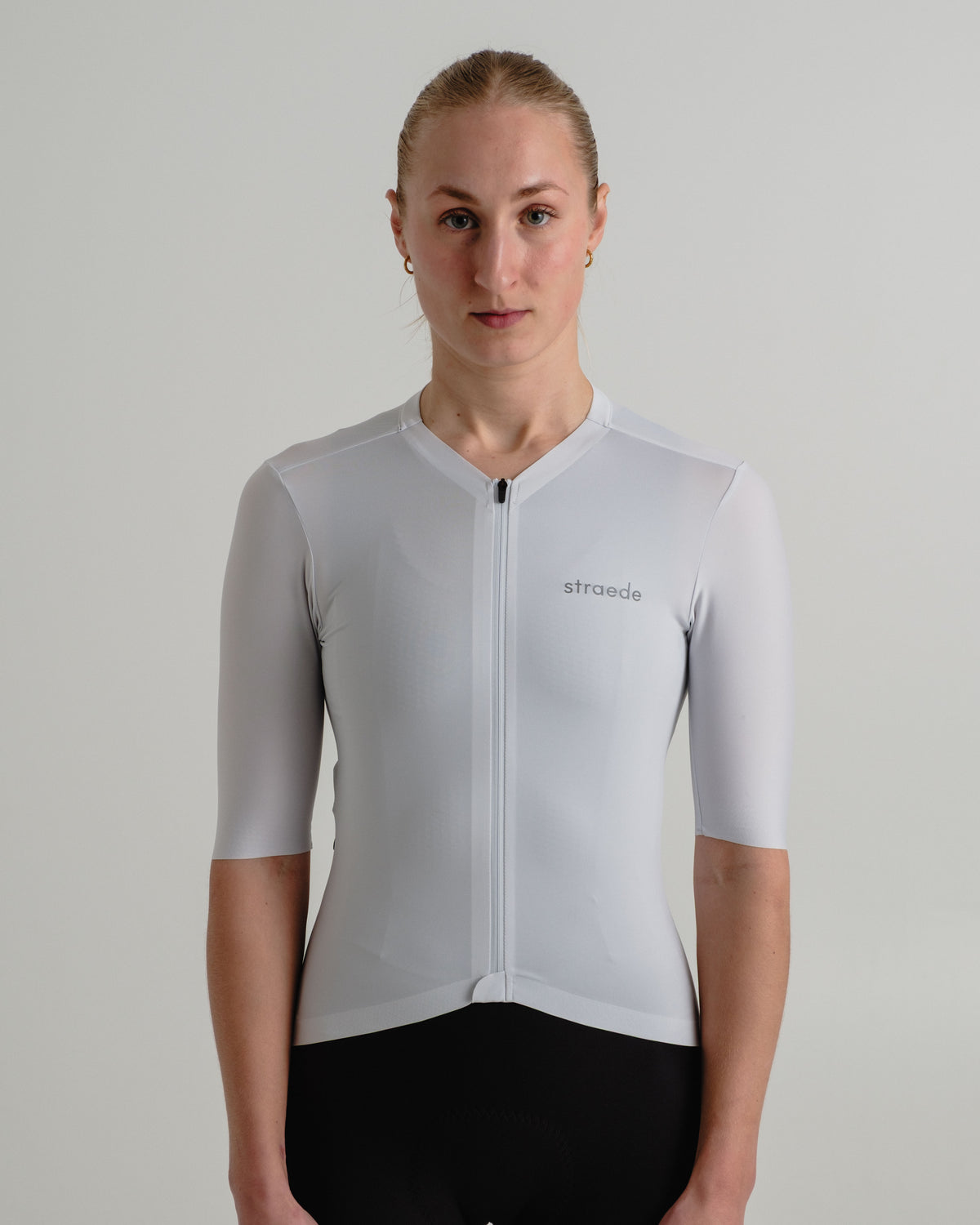
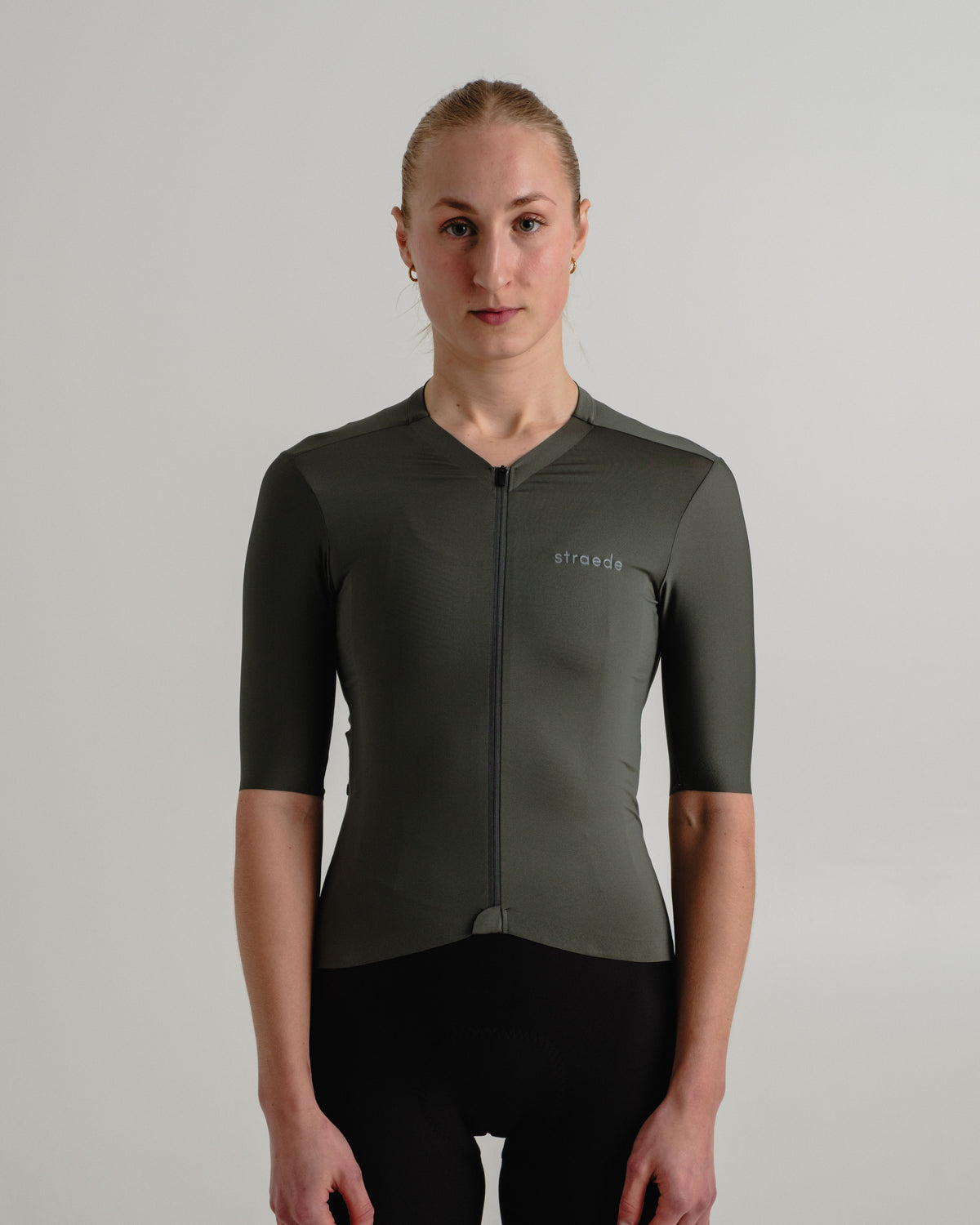
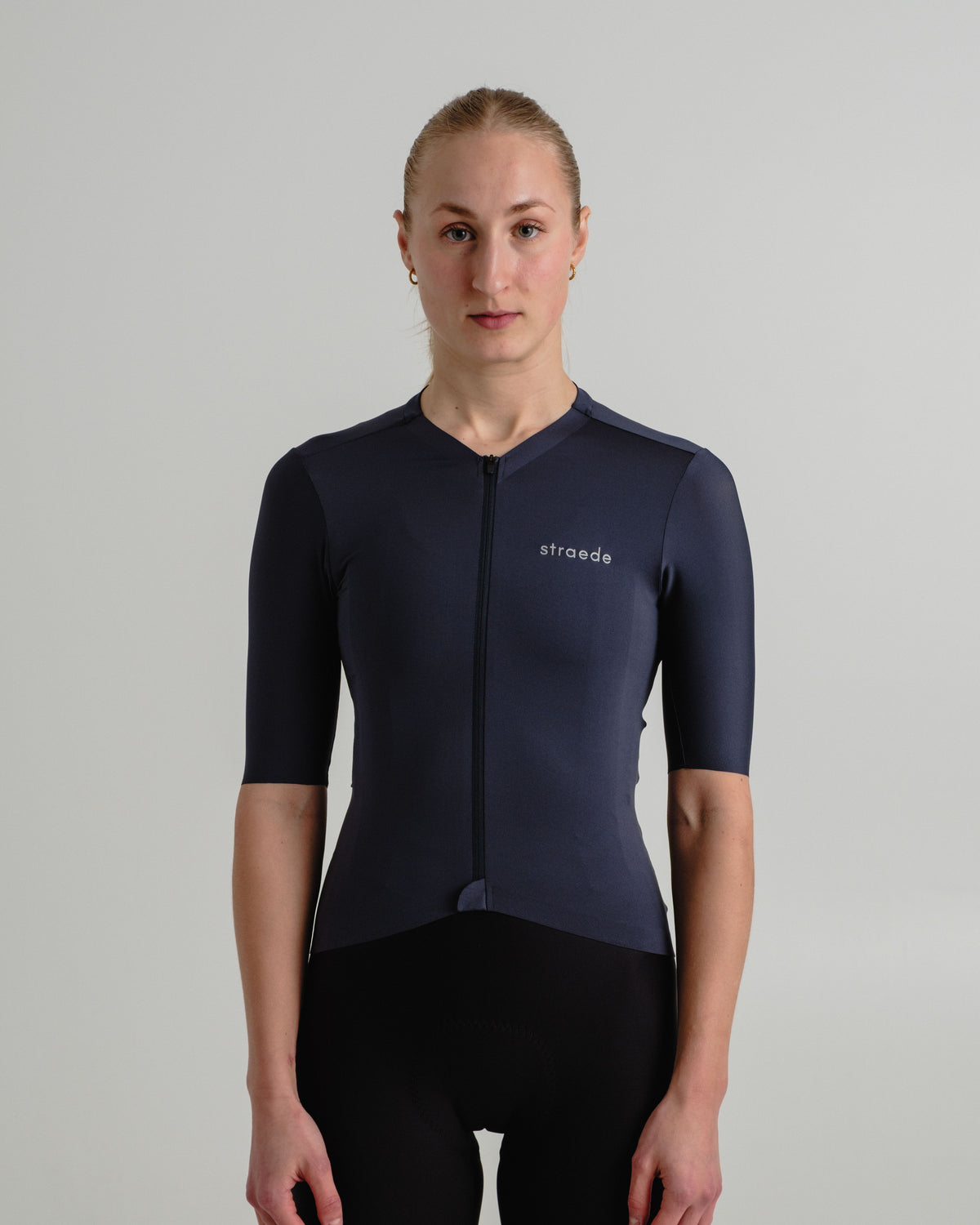
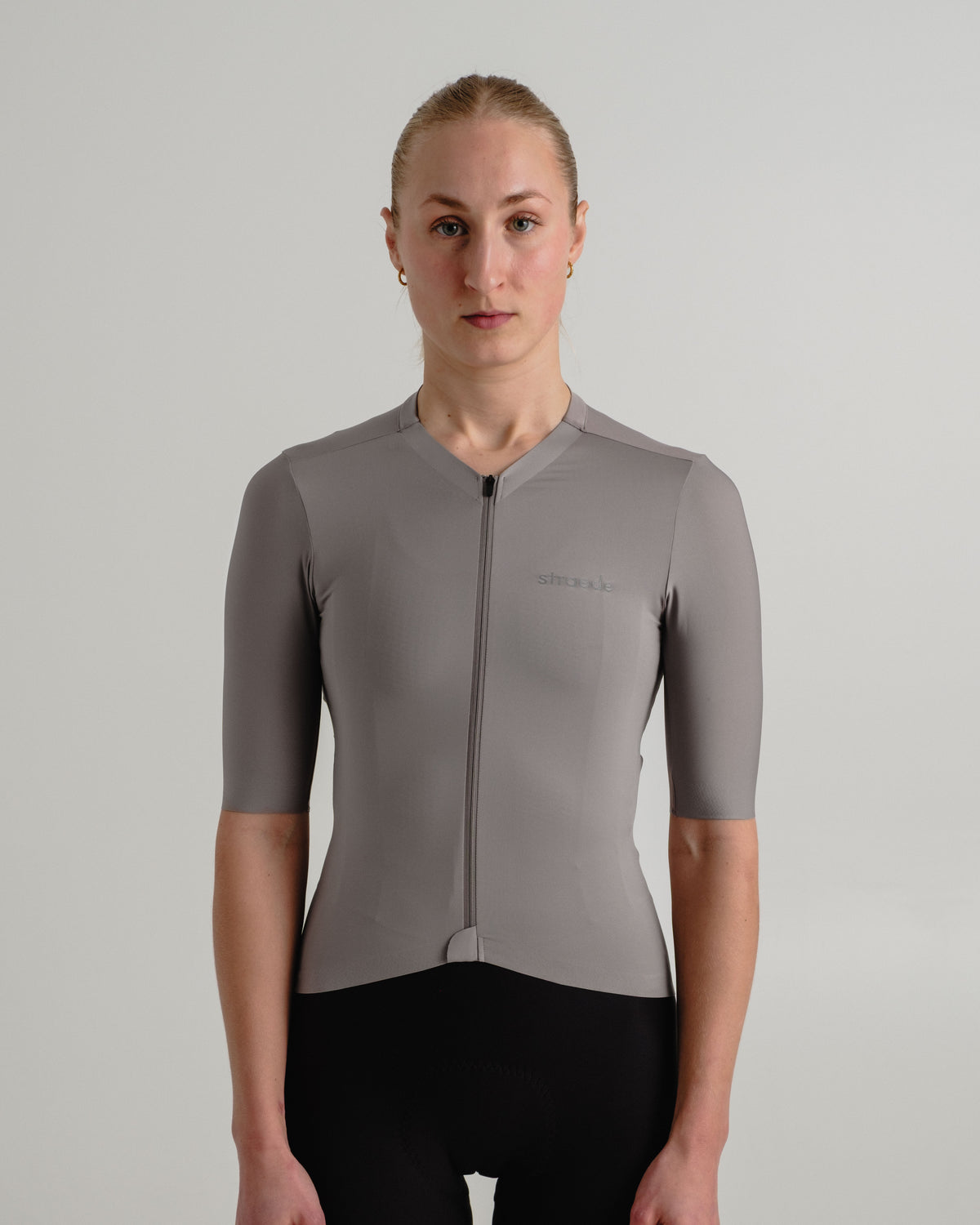
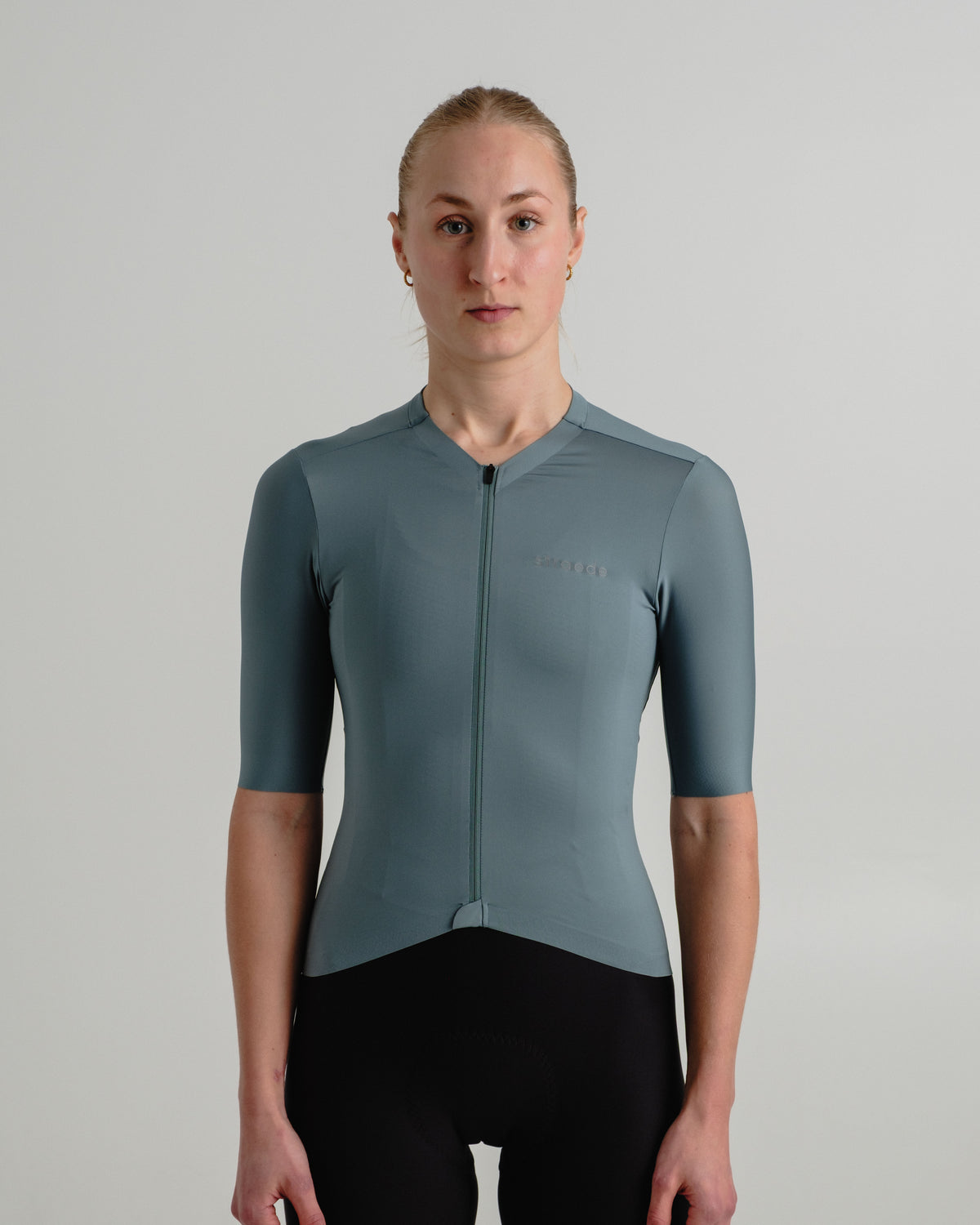
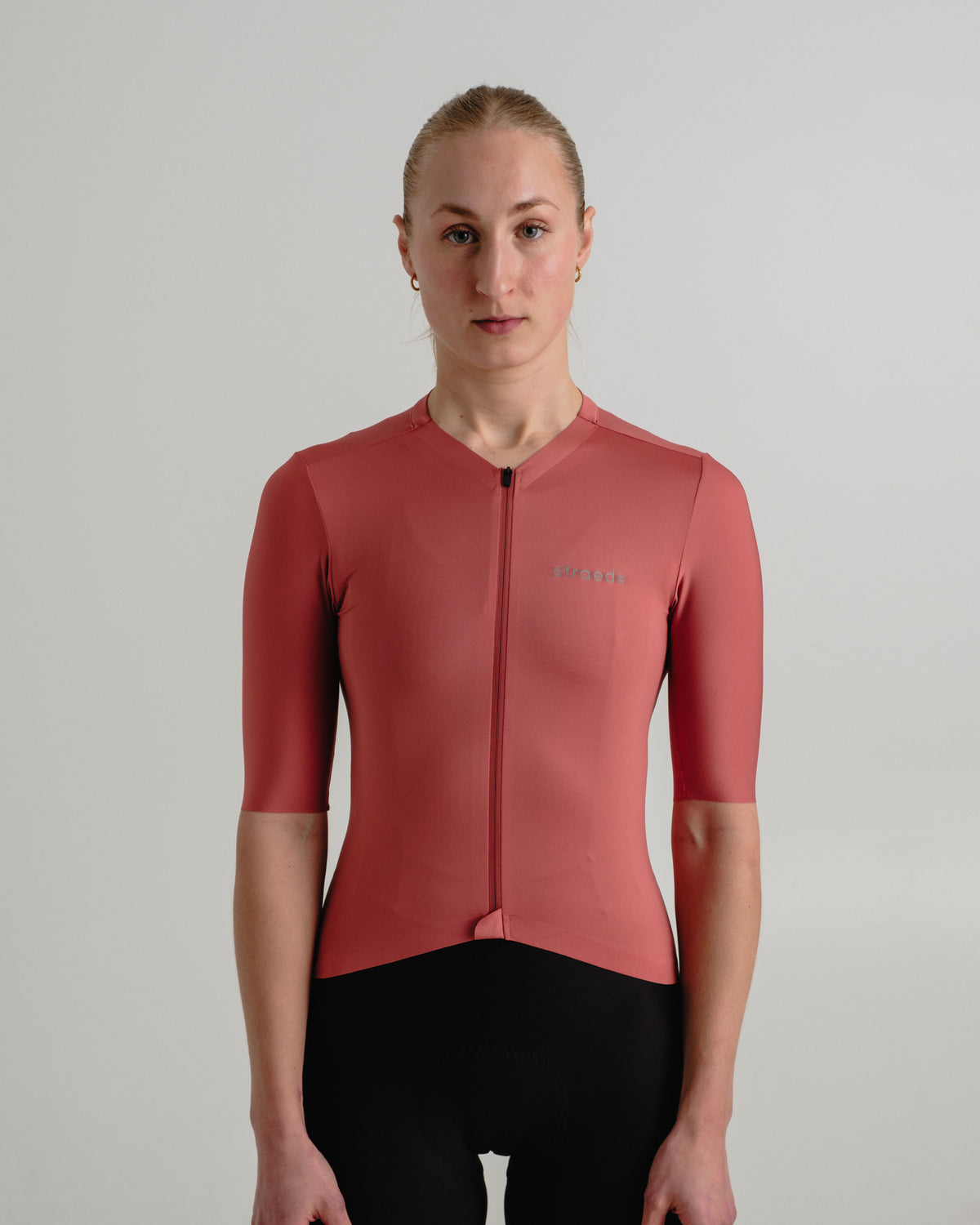
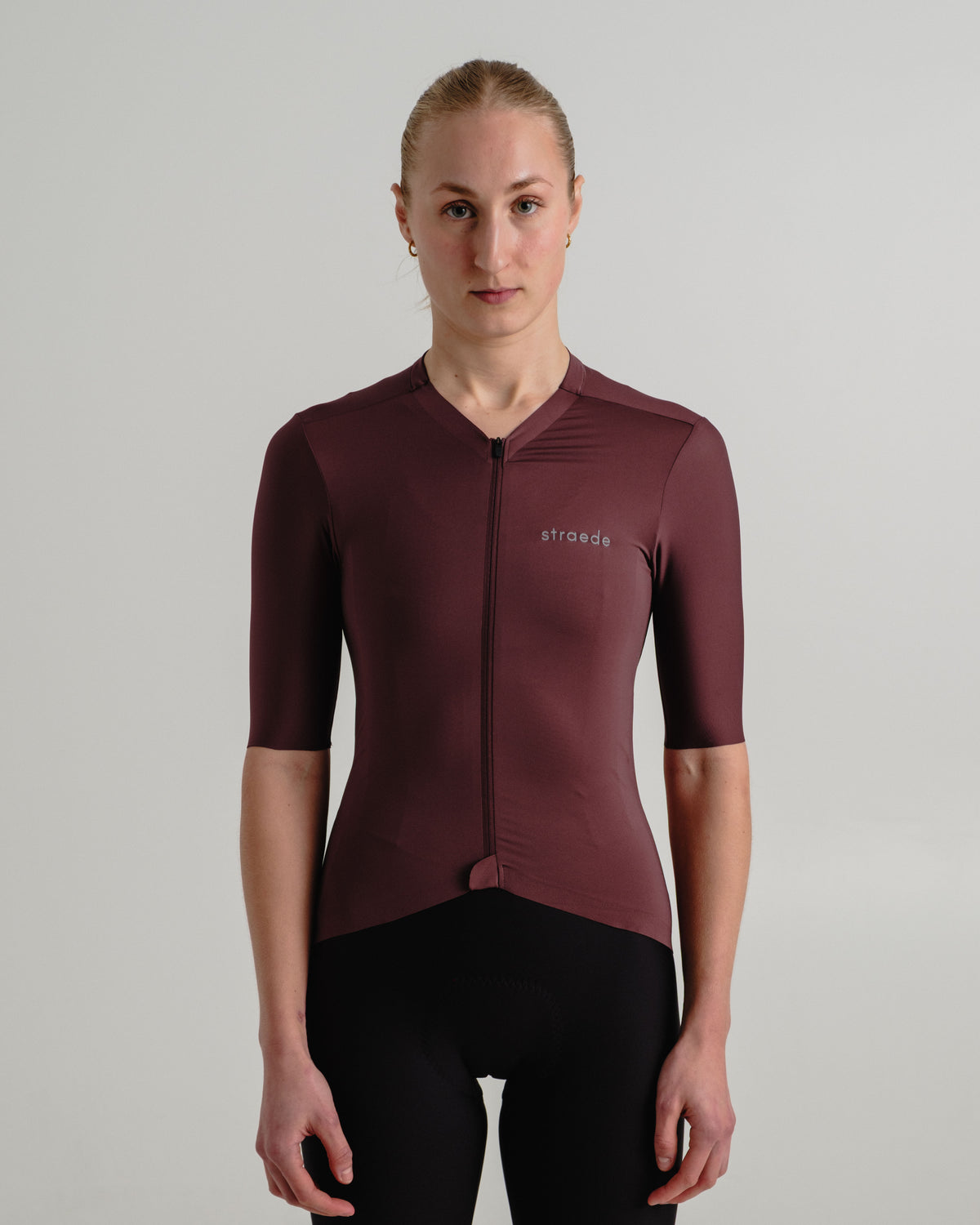
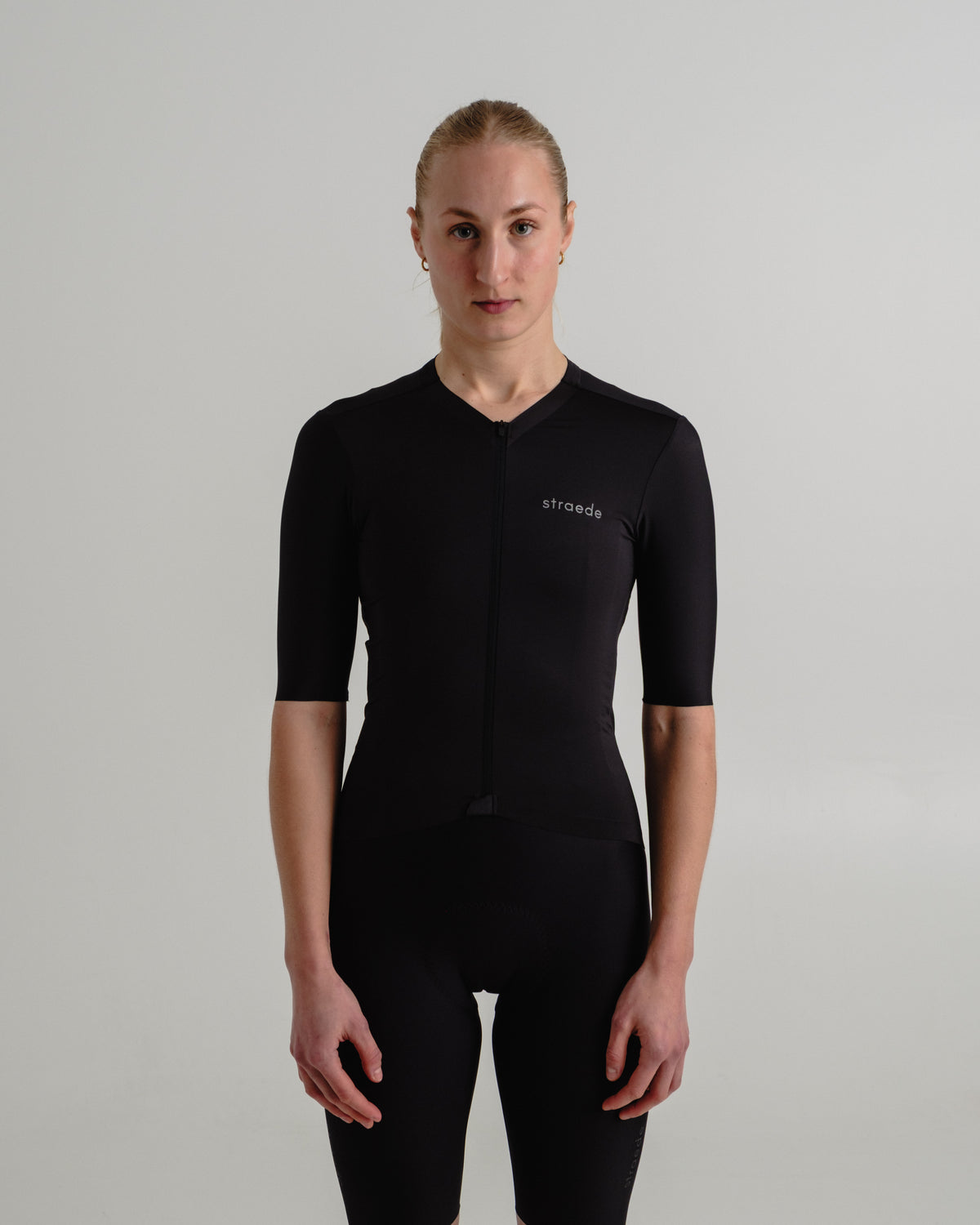
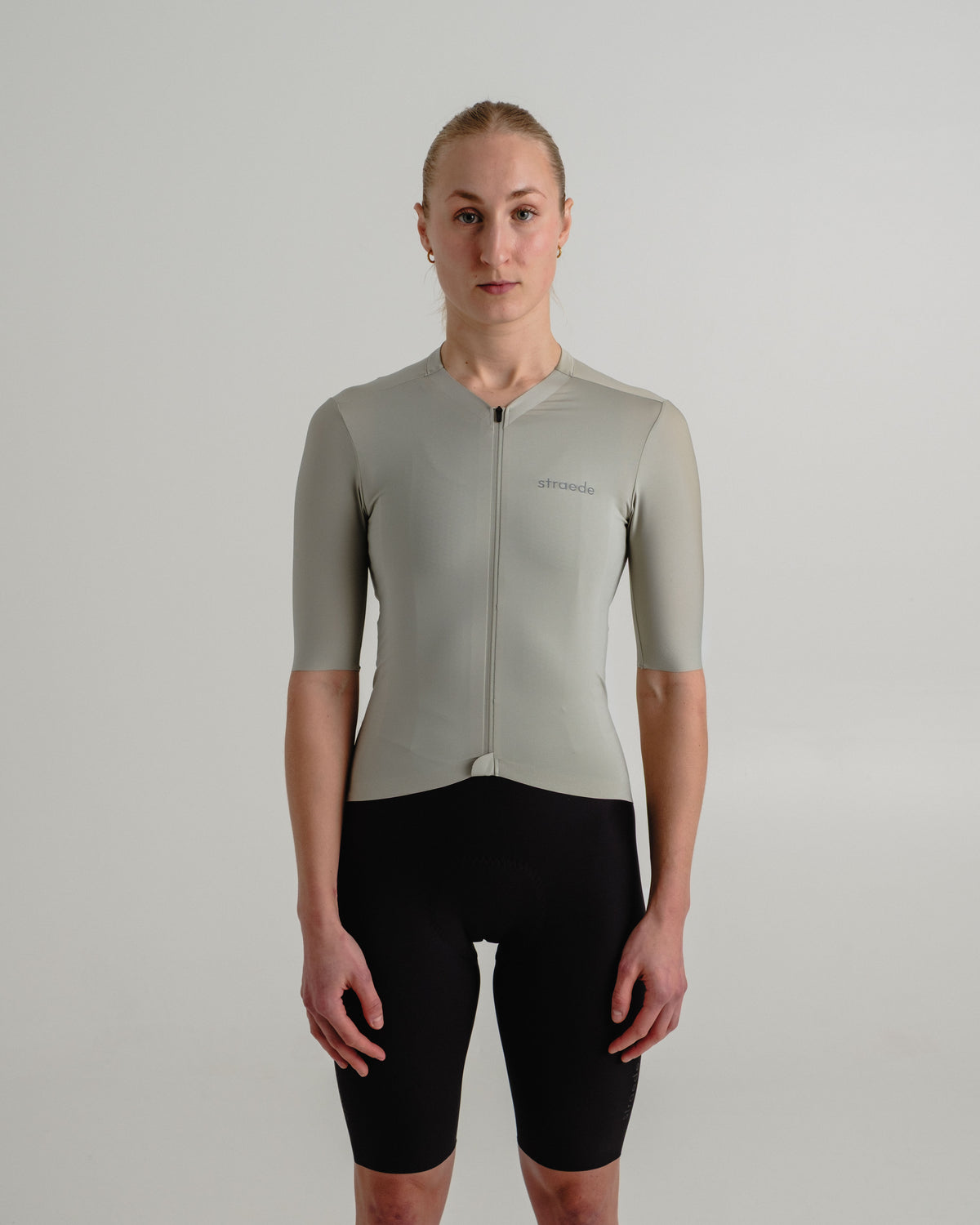
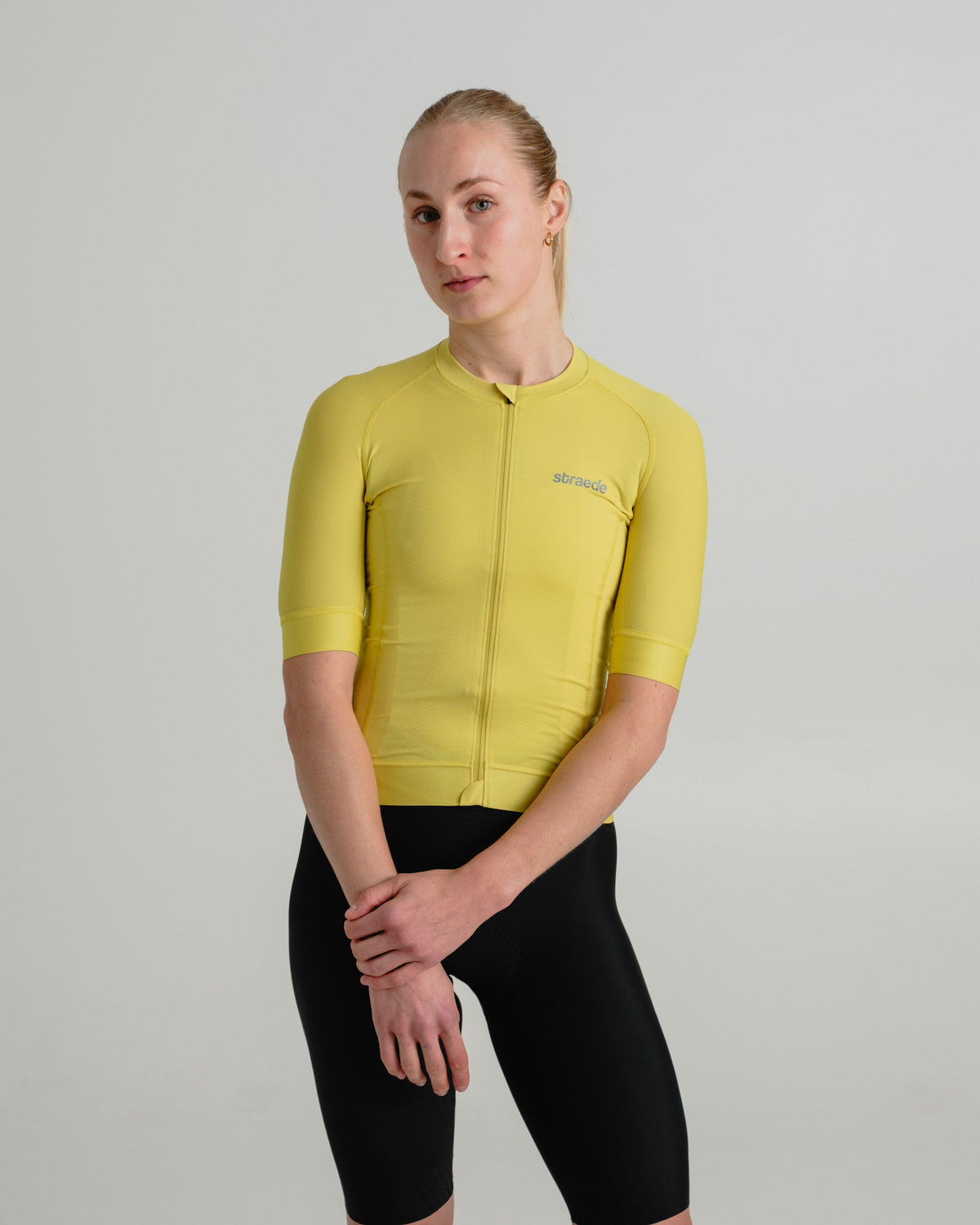
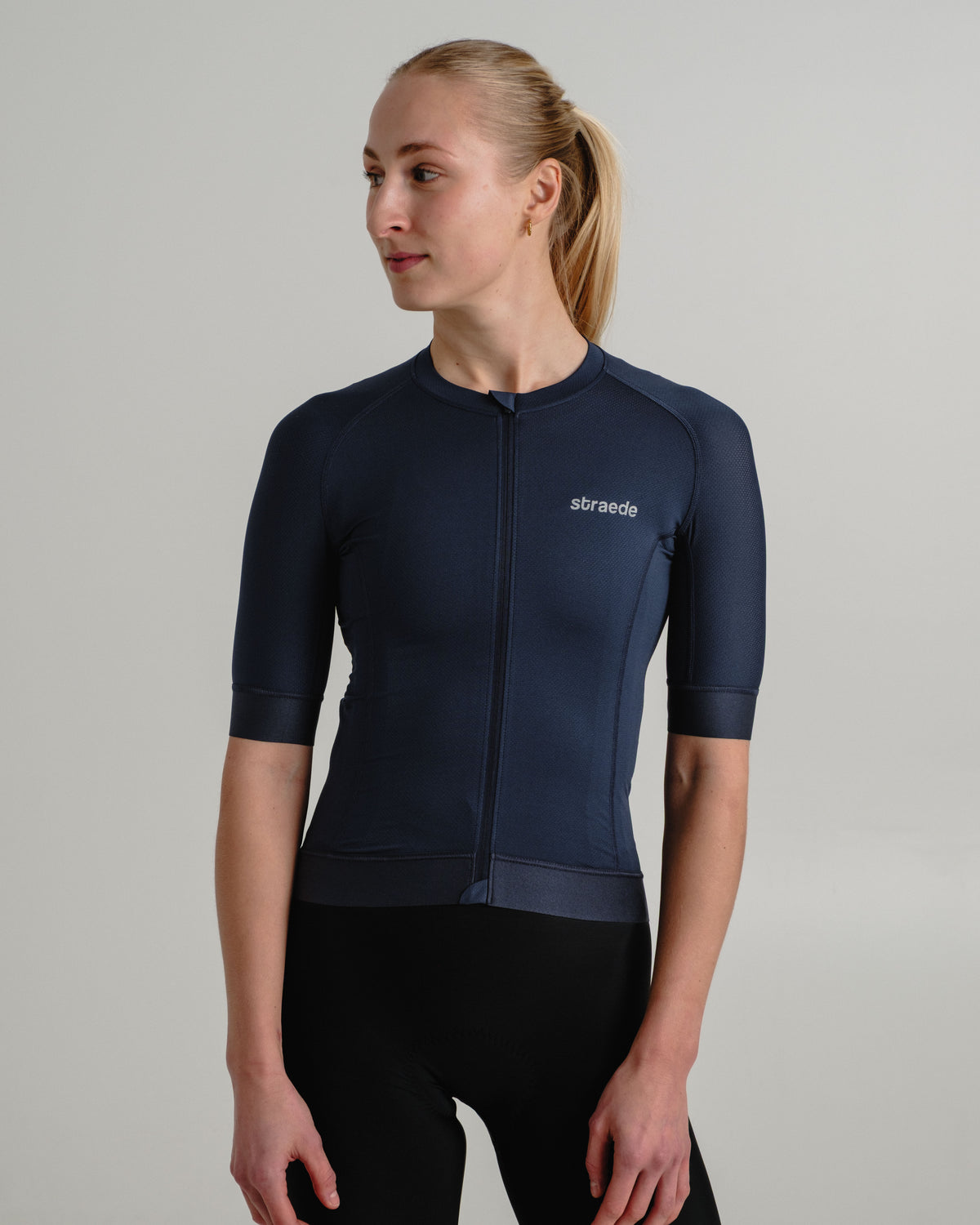
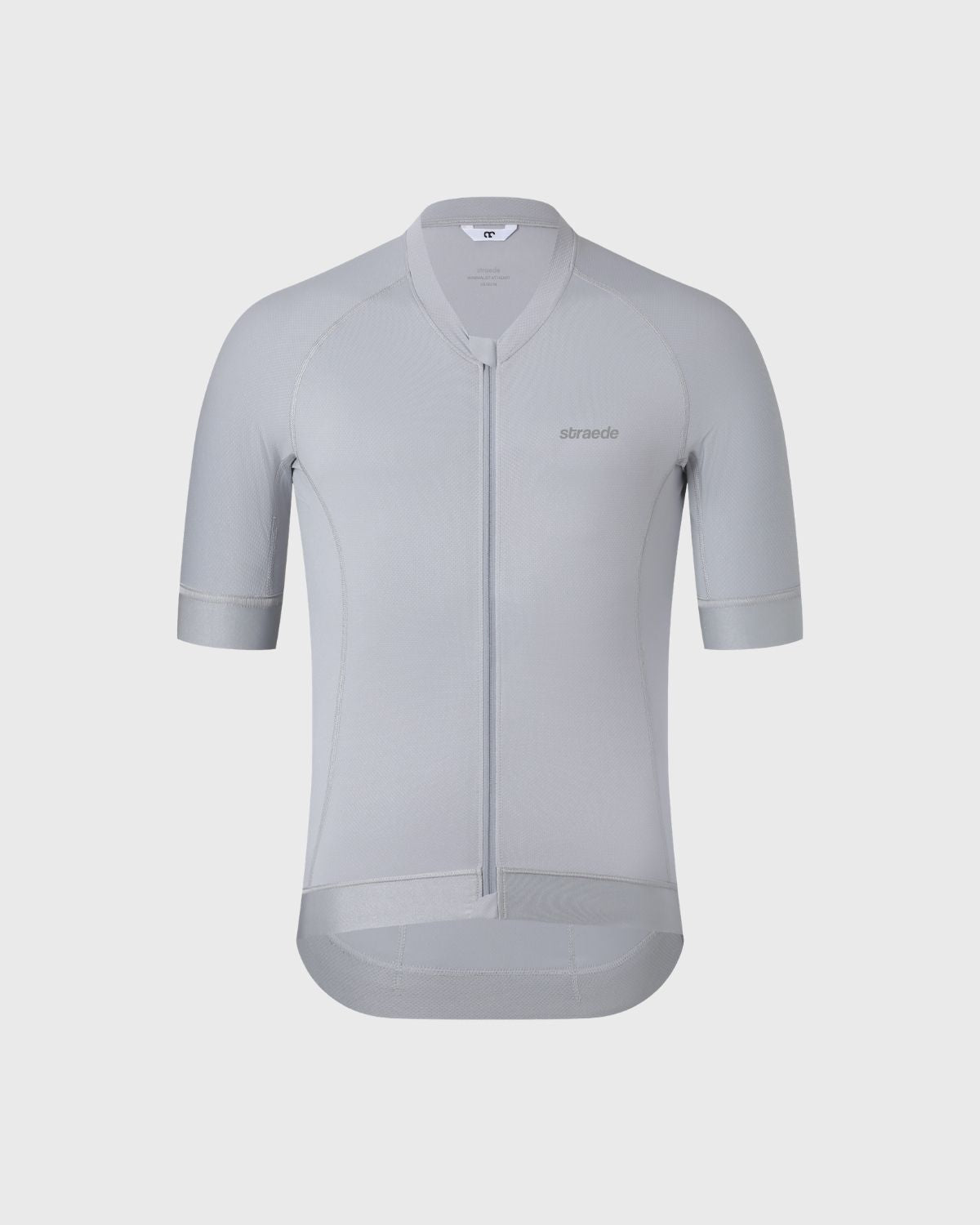
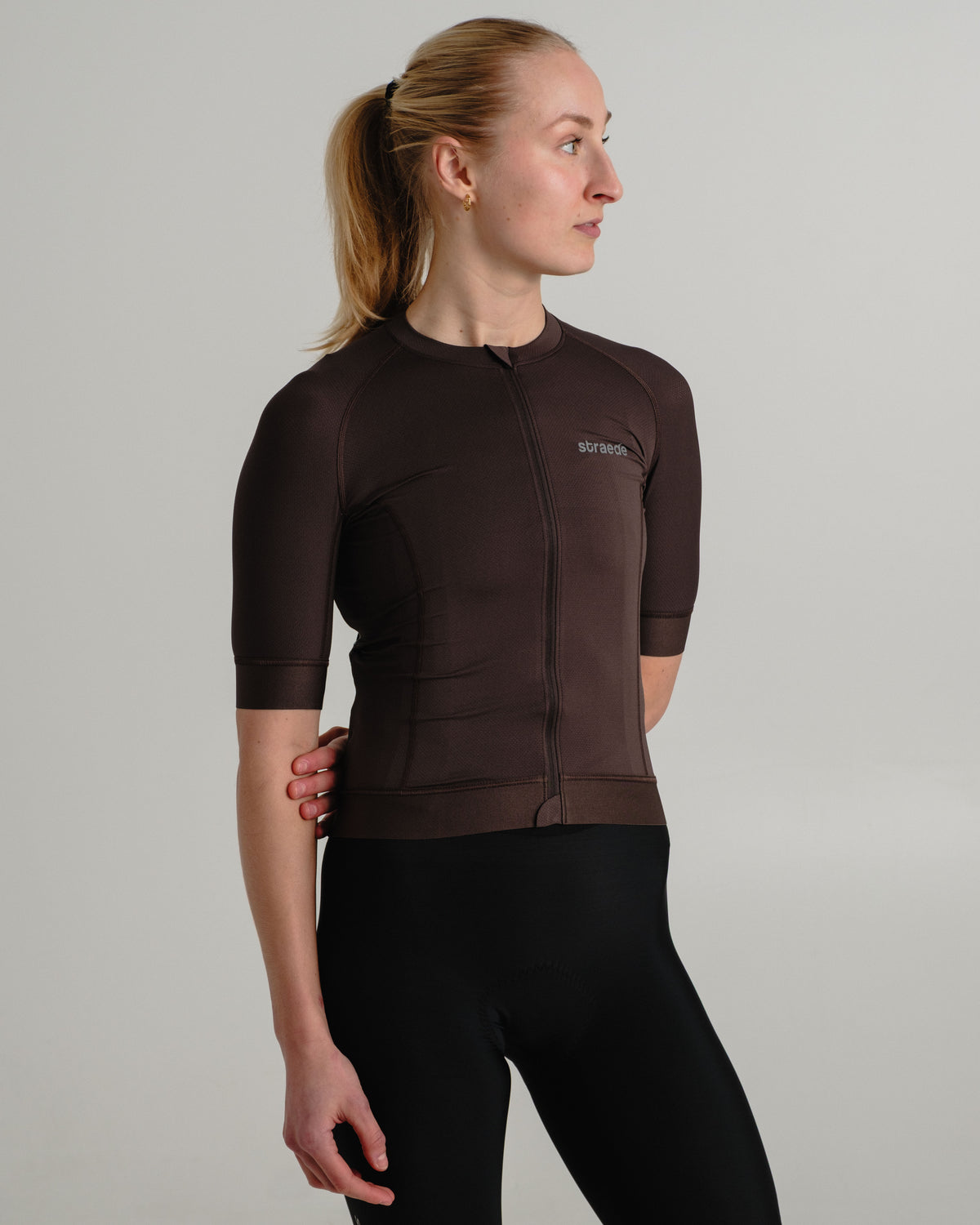
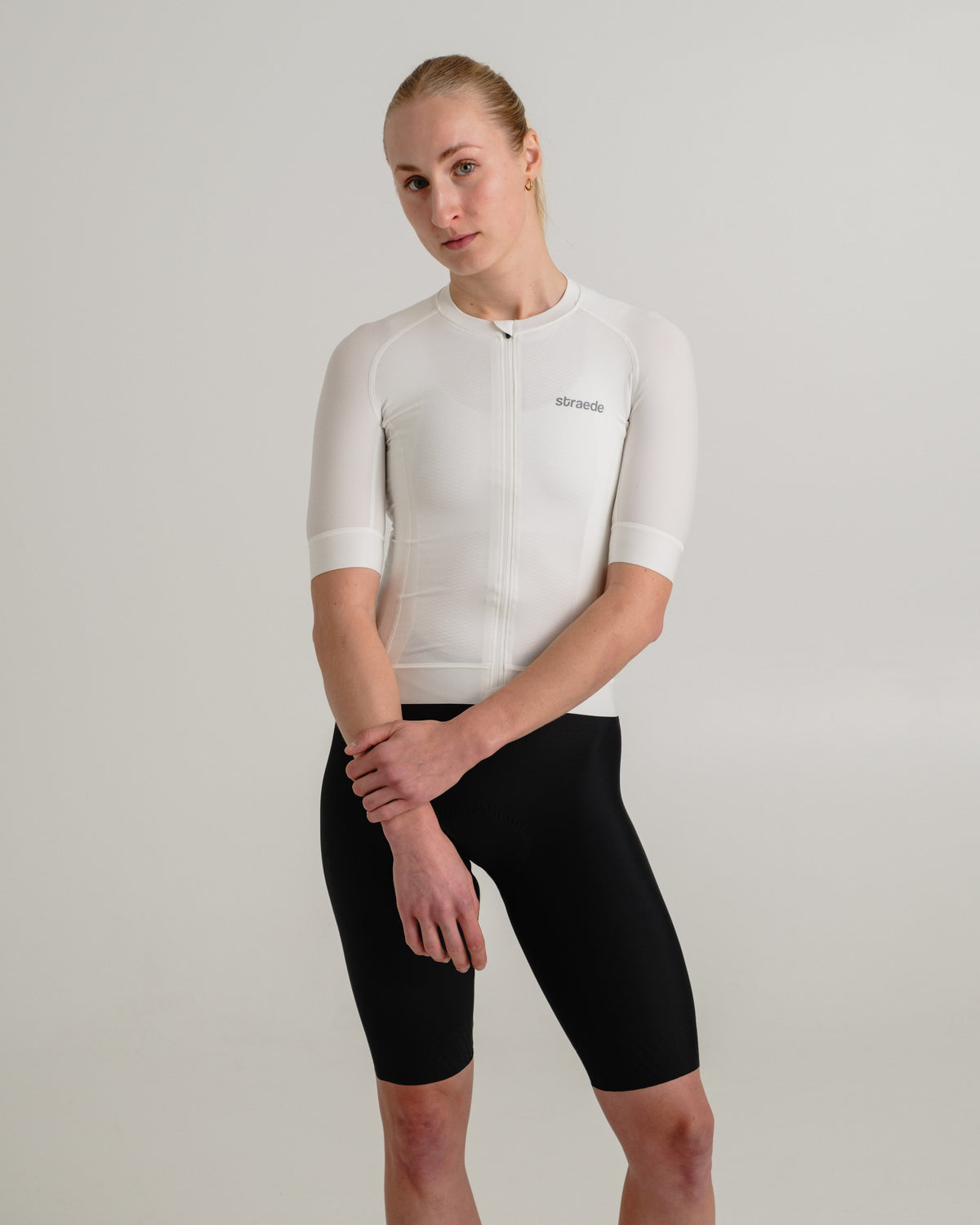
If you prefer cycling jerseys, they should be as light as possible. A standard road cycling jersey is often too tightly woven for indoor training. Special indoor cycling jerseys or very lightweight summer jerseys use an open mesh structure to ensure ventilation. The right clothing prevents heat build-up without leaving you soaked on the bike. Whether you choose a full jersey or just a base layer, the important thing is that sweat is wicked away from your skin.
Indoor Cycling Kits: What you really need
The cycling apparel market has responded to the indoor cycling trend. There are now countless products and special indoor cycling kits designed specifically for this purpose. But does it always have to be a dedicated collection?
Beginners often wonder if this purchase is worthwhile. Very lightweight summer sets often serve the same purpose as explicitly designated indoor cycling gear. The important thing is that the indoor cycling clothing suits you and your budget.
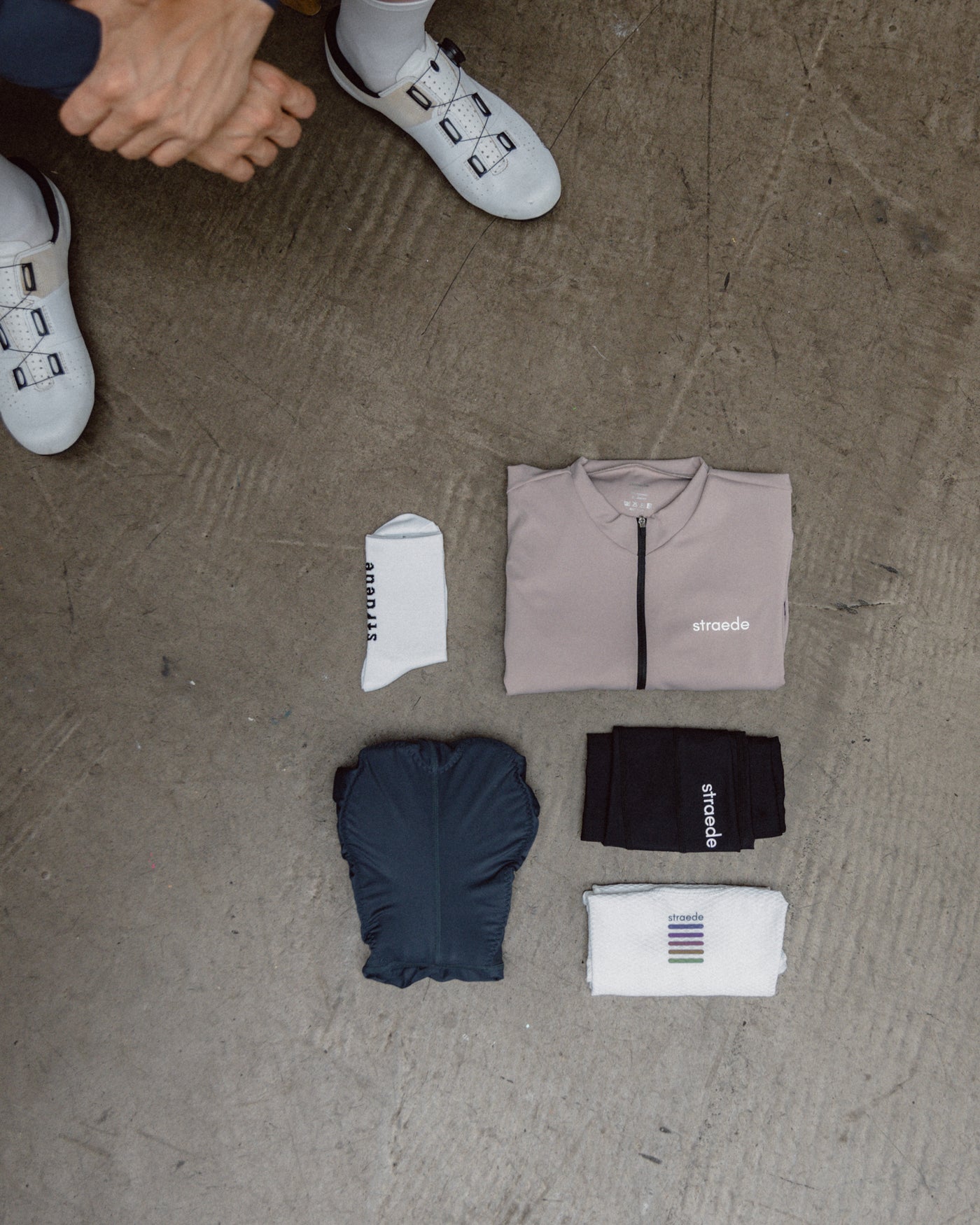
Many people simply use their lightest existing outdoor gear for indoor cycling training, as long as it's breathable enough. Good cycling shorts, a baselayer, and a lightweight jersey: minimalism saves money and often serves its purpose just as well.
Your indoor training: How clothing affects performance
If you don't feel comfortable on the bike, you can't perform at your best. This is especially true for indoor cycling training. Small distractions that you might ignore outdoors quickly become a problem on the trainer. If your shorts cause too much friction or you overheat, both your comfort and your concentration will suffer.
This directly impacts the quality of your training sessions. Whether you're working on your endurance or doing short, intense strength intervals, you want to focus on your performance, not your clothing. A suitable setup ensures that you can complete longer sessions or intense virtual races without having to get off your bike prematurely.
Accessories & Conclusion: Keep it Simple
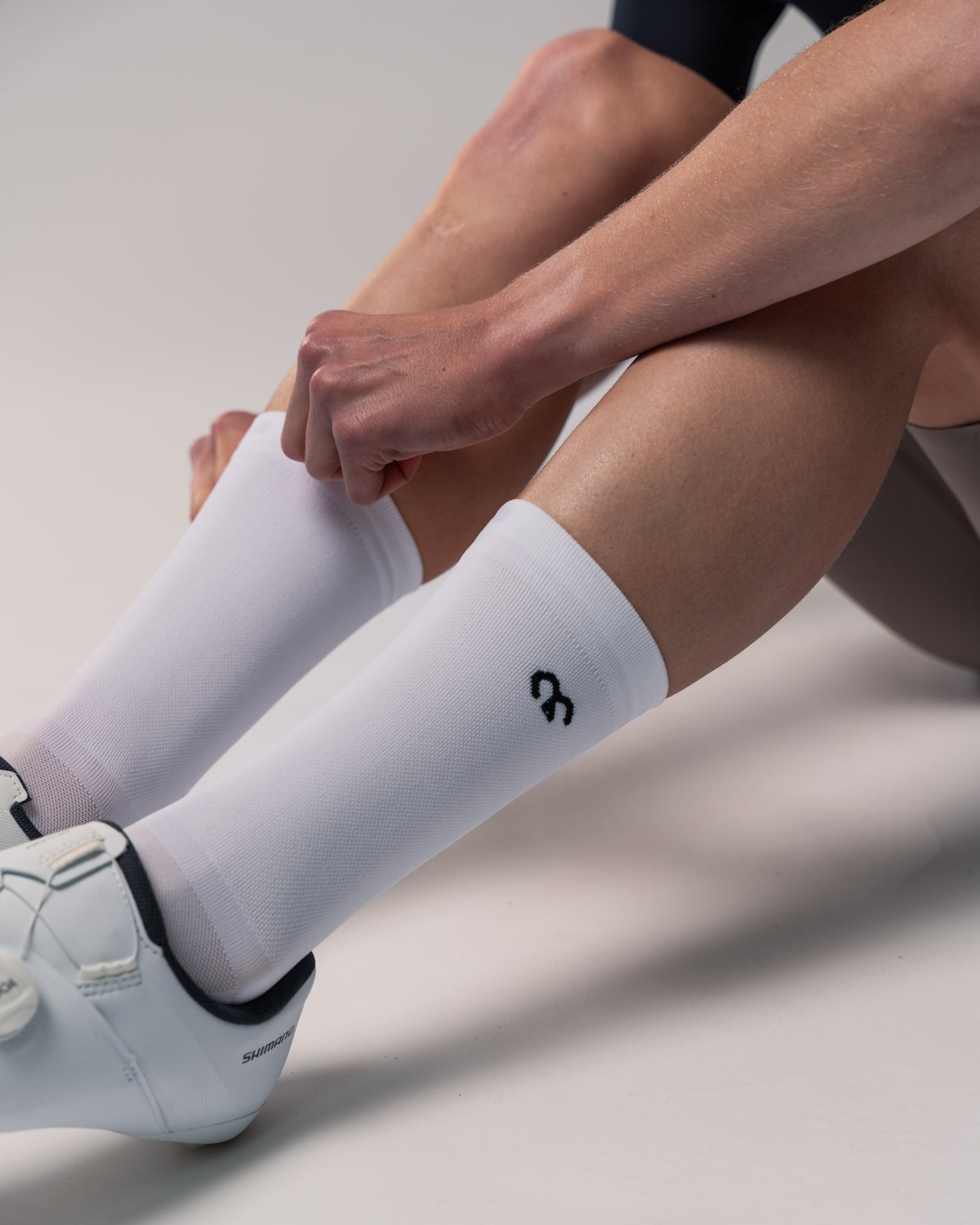
Finally, let's look at the details. It's often forgotten that feet also sweat. Thick winter socks have no place cycling in the living room. Opt for the thinnest cycling socks you can find. They help regulate temperature and prevent heat from building up in your shoes.
In summary, for your indoor training: Don't overcomplicate things. You don't need ten different outfits. Invest in a high-quality pair of shorts and a top that effectively wicks away sweat. That's the key to lasting motivation and enjoyment on the trainer.
To ensure your jersey, shorts and accessories stay in good condition even after home use, you should also check out our tips for proper care!
Frequently asked questions about indoor cycling training
Outdoors, gloves often serve not only as thermal insulation but also to dampen vibrations from the road surface. Since this factor is absent indoors, many cyclists forgo them. While your hands can become very slippery due to sweat, a small towel on the handlebars is perfectly sufficient to wipe them and also catch any dripping sweat.
This is a classic problem in indoor cycling: since there's no wind, sweat often drips directly from your forehead into your eyes. A simple sweatband or a lightweight cycling cap can work wonders here. They absorb the moisture before it becomes bothersome. A towel kept handy on the handlebars also helps and can effectively absorb the sweat before it drips down.
Many people use indoor training to wear out their old cycling shorts. This is often not a good idea. Because you sit more statically on the trainer, friction is very high in the same area. An old, worn-out chamois no longer provides any protection there. It's better to invest in a new, well-fitting pair of indoor cycling shorts.
Sitting statically puts constant pressure on the same areas of skin. Additionally, the large amount of sweat causes salt crystals to form, which can act like sandpaper. A good chamois cream reduces friction, cares for the skin, and prevents chafing, ensuring you stay comfortable in the saddle even on longer rides.
Even when the room is ideally well-ventilated and cool, you often feel chilly in the first few minutes. The classic mistake: bundling up too much. As soon as you start pedaling, your body heats up extremely quickly, and the jacket becomes a heat trap. It's better to start feeling slightly chilly. If you absolutely can't stand it, put on a light mesh vest over your jersey. You can easily open or remove this later with one hand.























We're happy to help – just write to us at support@straede.cc . We'll get back to you quickly and personally.