




Fabrics, materials & chamois: what defines straede cycling clothing

Cycling clothing is made up of different materials and components, each of which serves a specific purpose. The fibres used influence, for example, how a fabric feels, how stretchy it is or how quickly it dries. With the chamois, further factors come into play: construction, material and different padding zones play an important role in comfort on longer rides.

In this overview, we explain which fabrics and materials we use for our cycling clothing and what properties they bring. It is not just about individual fibres, but also about the construction, the design of our chamois and care.

The fibres

Polyamide

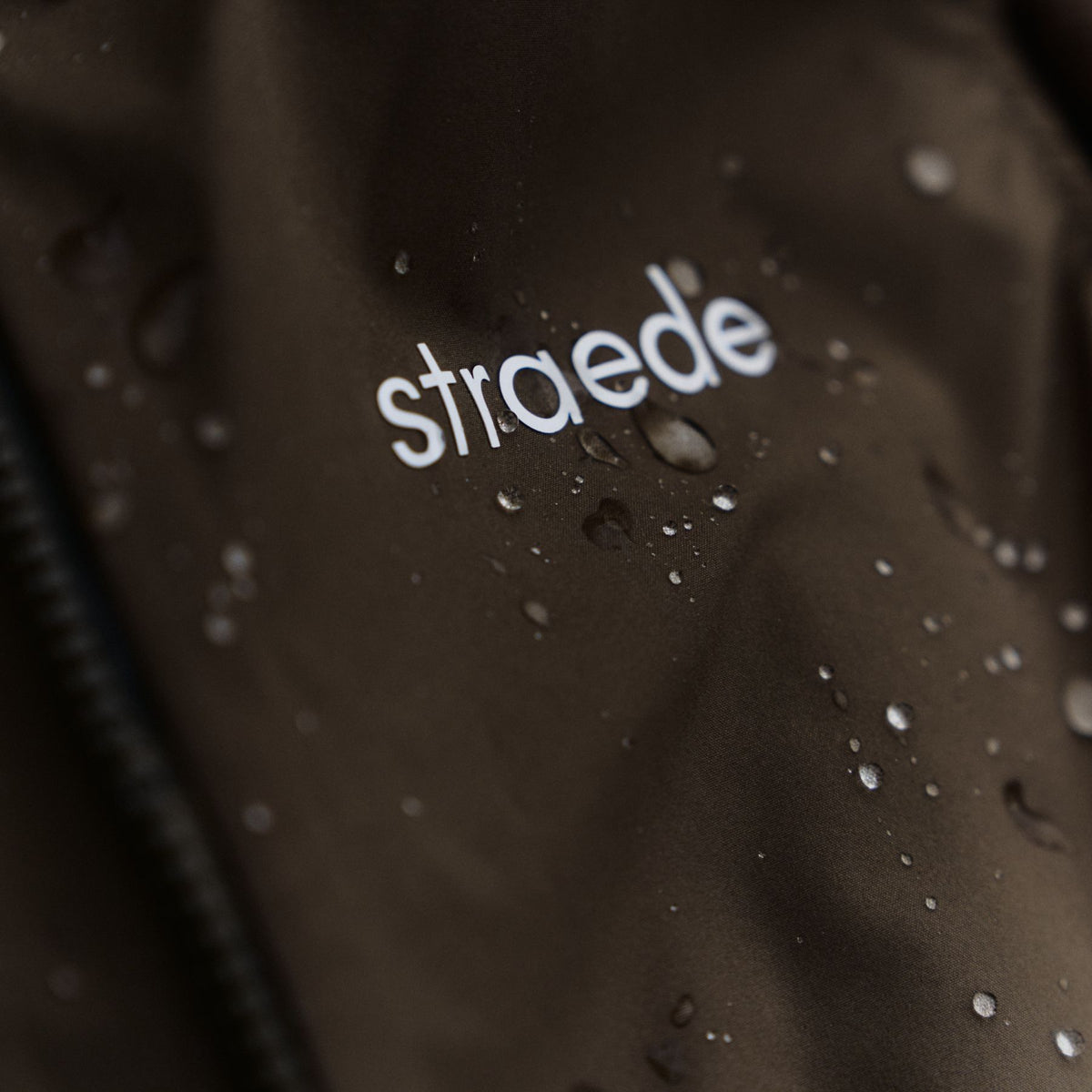
Polyamide forms the basis of many of our fabrics and is used, among other things, for the outer layer of our jackets. The fibre is resistant to abrasion and tearing, which makes it well suited to garments that are put under regular strain. At the same time, polyamide is elastic and feels comparatively soft.

For cycling clothing, this combination is particularly practical: the fabric can follow your movements and then largely return to its original shape. It is also robust enough for regular use on the bike.
Polyester

Polyester absorbs very little moisture. This allows sweat to be transported along the fibre to the outside, where it evaporates. As a result, the material dries comparatively quickly and can feel pleasantly light, especially in warm temperatures.

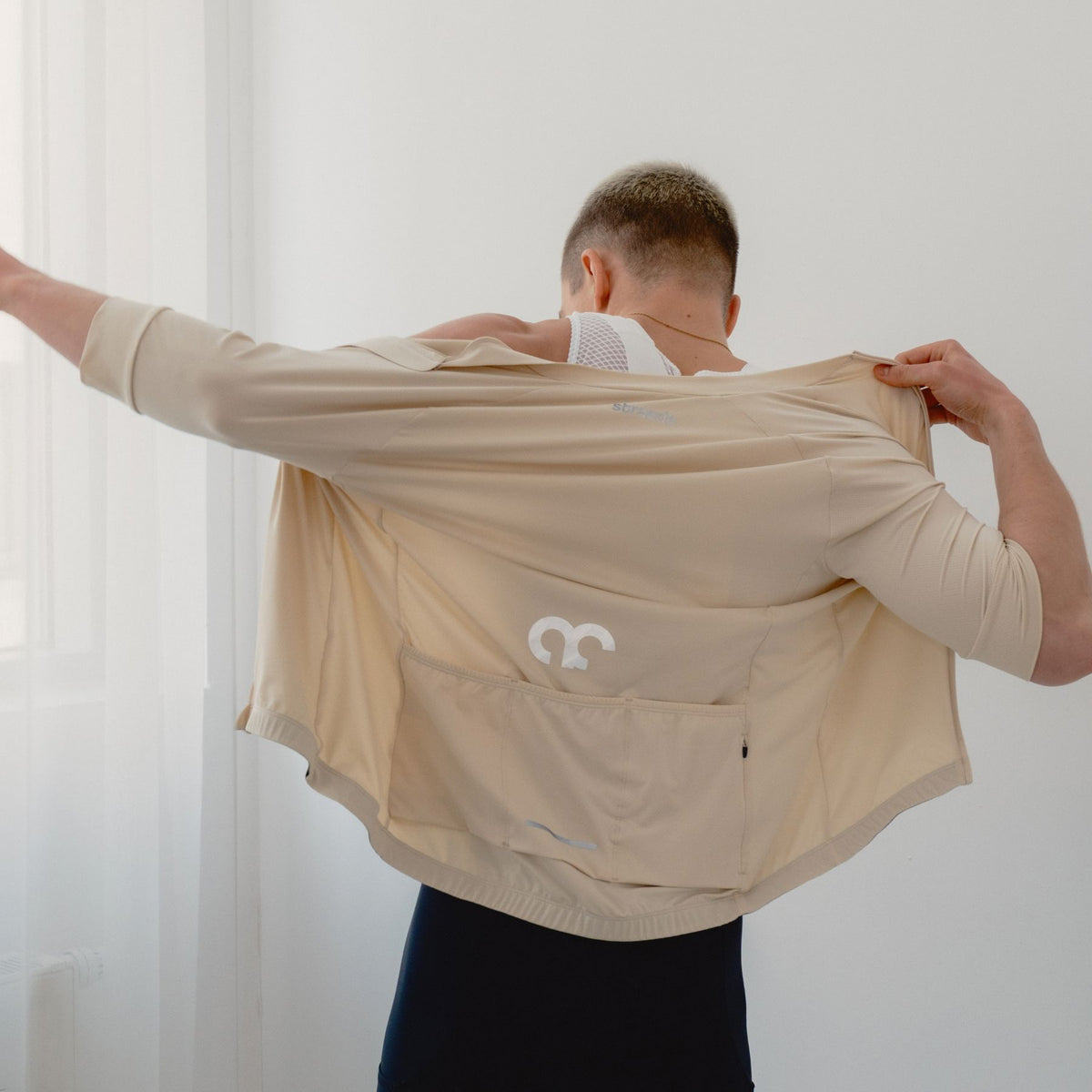
Compared to polyamide, polyester is less resistant to abrasion. That is why we mainly use the fibre where it is exposed to less friction, for example in the first layer under the jersey, in windproof vests and windbreakers, and in the linings of our jackets.

Polyamide and polyester are often compared with each other, but they have different properties: polyamide is particularly robust and soft, while polyester stands out above all for its low moisture absorption and its dimensional stability.

Elastane

Elastane allows a fabric to stretch and then return to its original shape. This property is especially important for close-fitting cycling clothing, as the material has to move with the body.

The proportion of elastane shapes the character of a fabric. In our cycling clothing, it ranges from about 10 to 25 percent, depending on the product.

  • Low proportion, below 15 percent: The fabric stays light and comparatively airy and fits less tightly. This works well, for example, for warm days and tops where a looser fit is desired.
  • Medium proportion, 15 to under 20 percent: Here, freedom of movement and a stable fit are well balanced. The fabric offers sufficient elasticity without feeling heavy.
  • High proportion, 20 percent and above: A higher proportion of elastane can provide more pressure and compression. This is particularly relevant for close-fitting bib shorts and long-sleeve jerseys and helps keep the garment and the chamois in place.

Elastane is sensitive to high temperatures and fabric softener. Over time, both can damage the fibre and reduce the elasticity of the material.

Coolmax

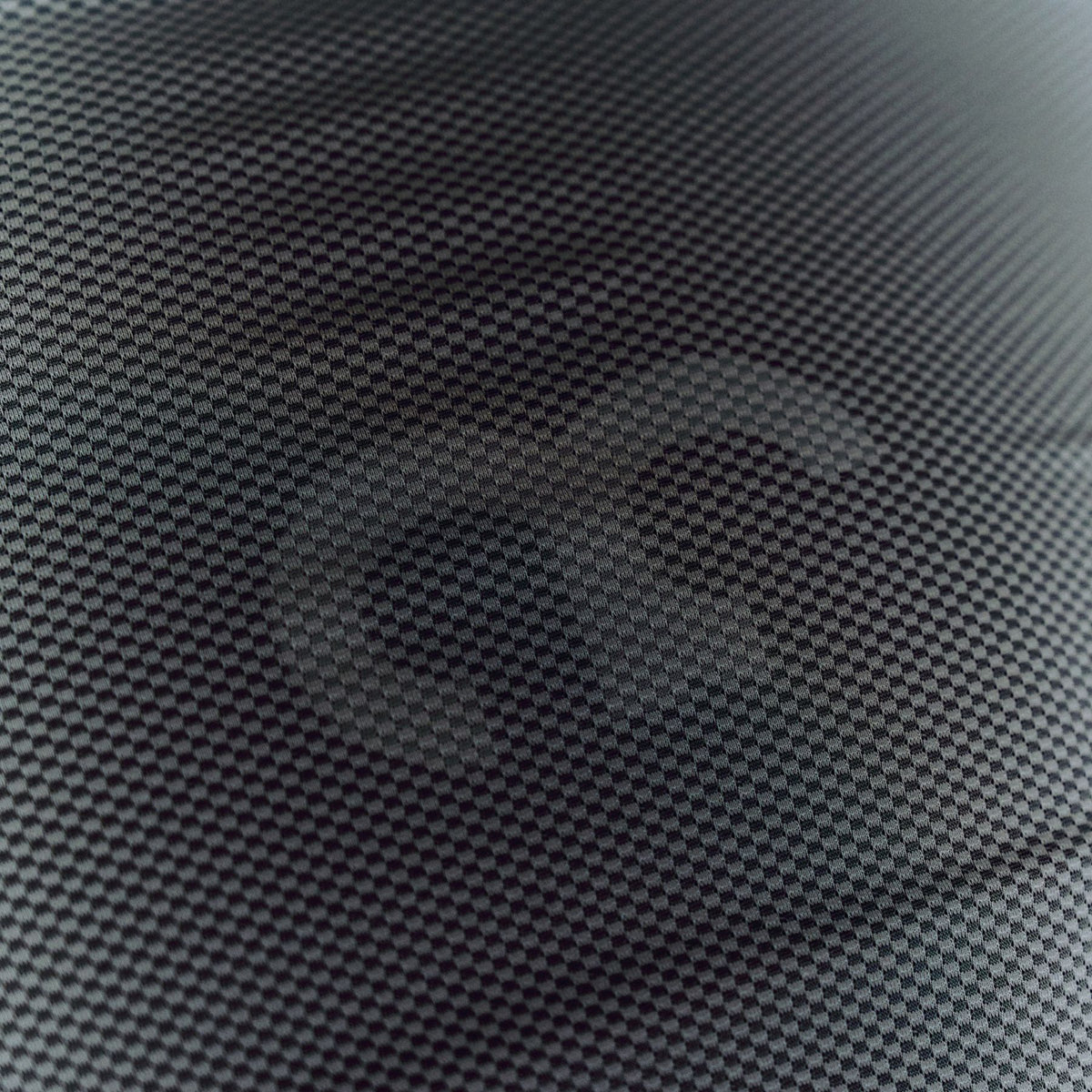
Coolmax is a special polyester-based fibre structure. The fibres have a profiled cross-section with grooves through which moisture can be transported away from the skin to the surface. There it can evaporate faster than with a conventional performance fabric.

This property can be especially relevant at higher levels of exertion and the heavier sweating that comes with it. On less intense rides, the difference is usually smaller. That is why we use Coolmax specifically in the jerseys of the Pro Line and not in all products.

Merino wool

Merino wool is a natural fibre and is also used in our range. It can still provide warmth when damp and absorbs comparatively little odour.

This makes merino particularly interesting for garments that are worn directly on the skin and used over longer periods. Compared to many synthetic fibres, however, merino wool dries more slowly and requires correspondingly gentle care.

Lyocell

Lyocell is made from wood pulp, which sets it apart from both classic synthetic fibres and natural fibres such as wool. The fibre absorbs moisture well and has a smooth, soft surface.

We do not use lyocell as the sole component, but in combination with other fibres. Among other things, it helps make fabrics containing merino wool more durable.

The fabric construction

Alongside the fibre used, the construction of the fabric also plays an important role. Depending on the material and intended use, different construction methods are used.

  • Seamless construction: Where the design of a garment allows it, we do without seams. This means fewer points of contact between fabric and skin. Especially at the leg cuffs, this can help the garment sit securely without cutting in unnecessarily.
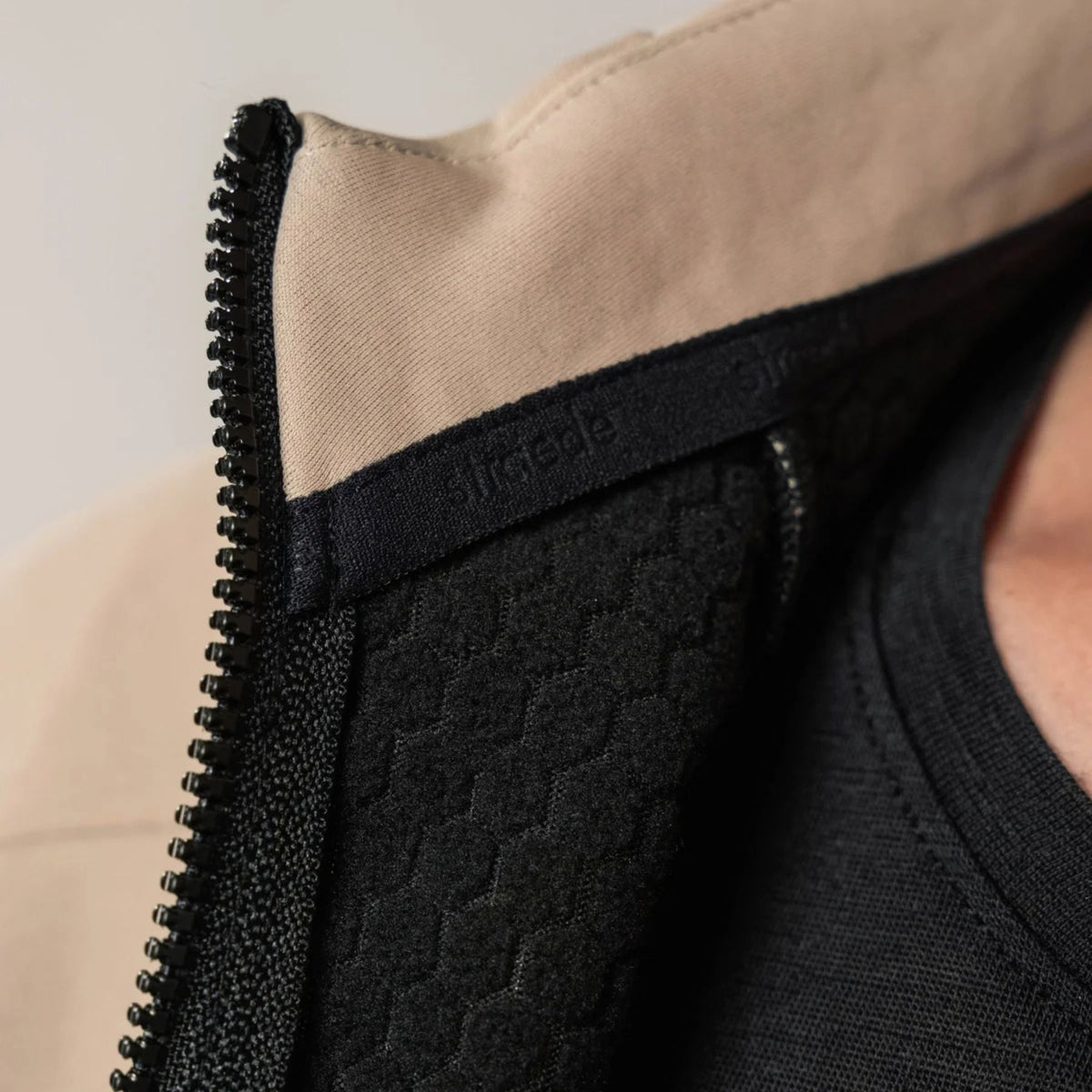
  • Inner fleece: For cooler temperatures, fabrics can be brushed on the inside. The resulting structure holds a thin layer of air against the body and thus supports thermal insulation. At the same time, the brushed surface is more sensitive to abrasion. With a jersey with inner fleece, contact with a backpack, for example, should therefore be taken into account.
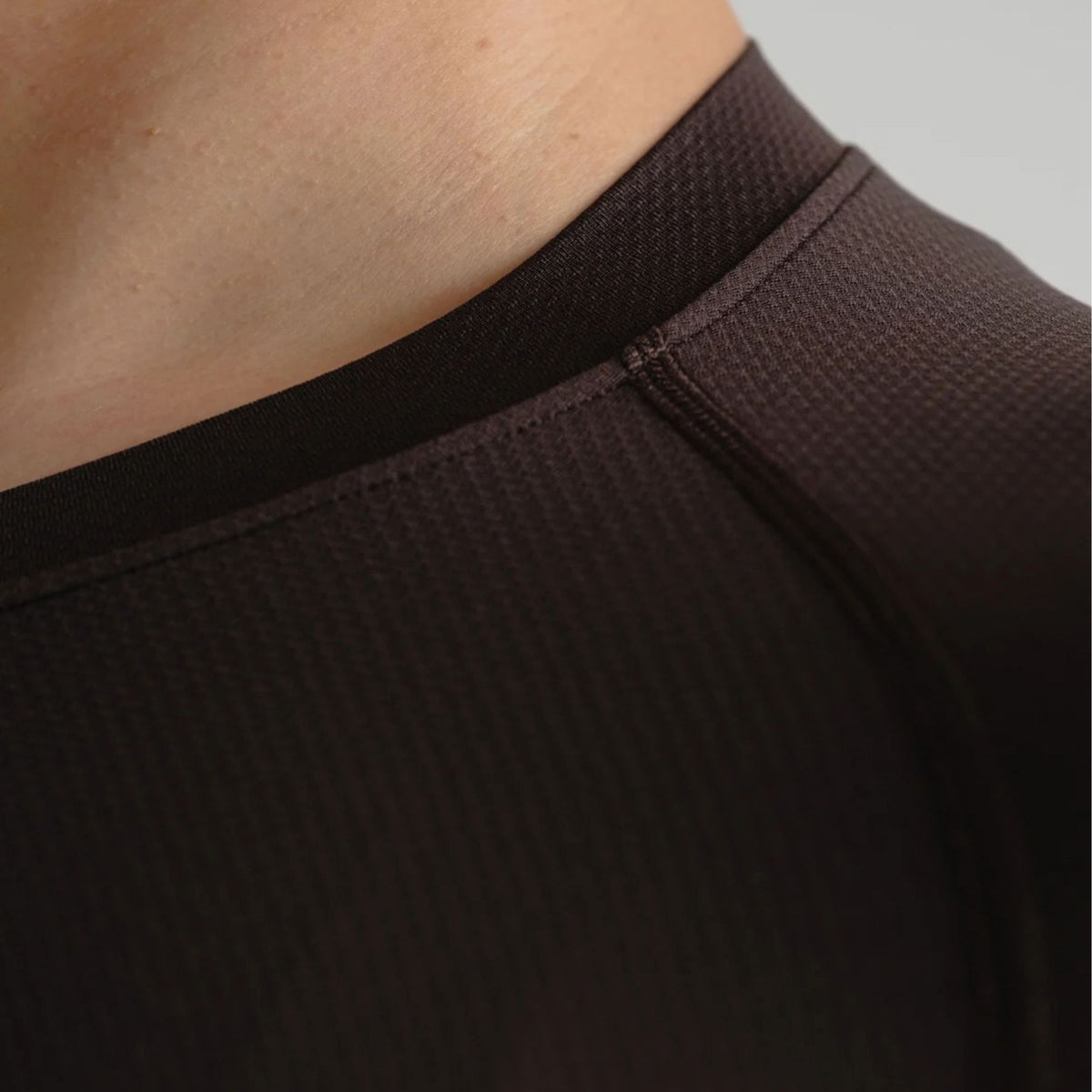
  • Fabric structure: The structure of a fabric also influences its properties. Depending on the construction, it can help, for example, to wick moisture away from the skin, allow air to circulate or give the material more stability.

The chamois: layer by layer

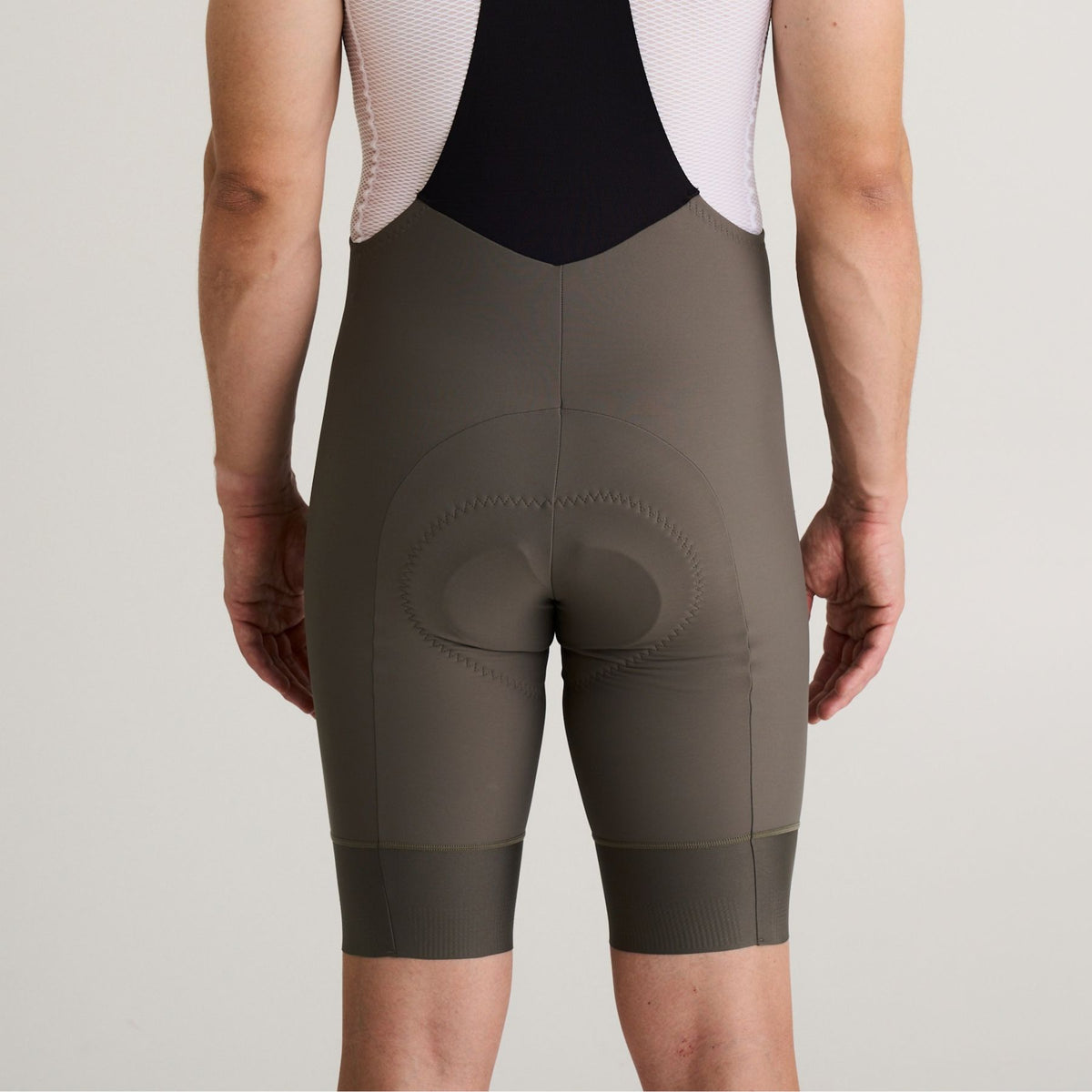
The chamois is one of the most important components of bib shorts. Thickness alone does not determine comfort.

If the material is too bulky, it can move more during the ride, form creases and cause friction as a result.

The layers

  • The surface: It sits directly on the skin and should be able to absorb and wick away moisture. For this, we use a honeycomb structure, among other things. It supports moisture transport while letting air reach the skin.
  • The foam: Beneath the surface is the foam. We use memory foam, which deforms under pressure and then returns to its original shape. This allows the material to adapt to the riding position and retain its function even over longer rides.
  • The multi-layer construction: In multi-layer chamois, different foam densities can be used specifically in different areas. Areas under greater load can be given more support, for example, while the edges are thinner or softer. This allows the chamois to be adapted more precisely to anatomy and load distribution.
  • The antibacterial finish: Since a chamois can stay warm and damp for long periods, antibacterial technologies are used in the relevant models. They can inhibit the growth of bacteria and thus contribute to both hygiene and the durability of the material.

Chamois and ride duration

Chamois are developed for different uses. Alongside anatomy and fit, the planned ride duration also plays a role.

  • Up to about 6 hours: Multi-layer constructions are suitable for short and medium-length rides, such as after-work rides, group rides or day tours.
  • Over 6 hours: For longer rides, chamois with additional layers, more cushioning and a larger contact area can make sense. We source these chamois from Elastic Interface, an Italian manufacturer specialising in chamois for cycling clothing.

A larger chamois is not necessarily the better choice. What matters is that the design and construction suit the respective ride duration and intended use.

Care

How long cycling clothing lasts also depends on the right care. Elastic materials such as elastane in particular can be affected by high temperatures and unsuitable detergents.

  • Maximum 30 °C on a gentle cycle: High temperatures can strain elastane and impair its elasticity.
  • No fabric softener: Fabric softener can build up on the fibres, impair the material's moisture transport and attack the elastane.
  • No tumble dryer: The high temperature during drying can also take its toll, especially on elastane.
  • Close zips, turn inside out and use a laundry bag: This reduces mechanical stress during washing and protects more delicate materials such as inner fleece and chamois in particular.

These instructions apply to synthetic fibres. Merino wool and jackets have their own recommendations, which you can find on the respective product page under Material & care.

You can find further information on proper care in our care guide.

And if something does happen while riding: with our crash replacement guarantee, we replace items damaged in a crash free of charge.